Introduction
Choosing the right fuel type for an industrial hot water boiler system has a direct impact on operating costs, energy efficiency, and environmental compliance. In most modern industrial facilities, natural gas is generally considered the best overall fuel option because it offers a strong balance between cost, efficiency, and relatively low emissions. However, the ideal choice can vary depending on local energy availability, environmental regulations, and the specific requirements of the facility.
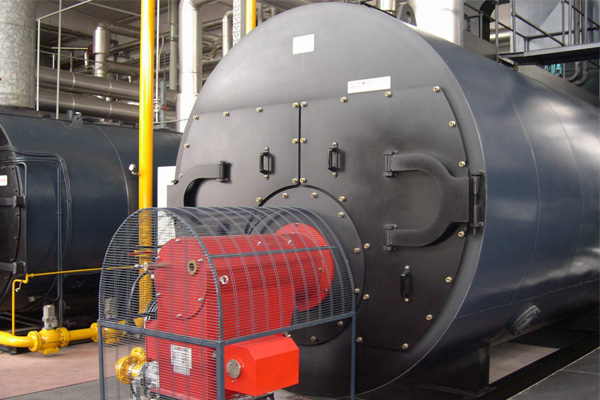
For example, electric boilers are often preferred in environments that demand zero on-site emissions, such as hospitals or laboratories. Biomass boilers are increasingly adopted by companies aiming to reduce their carbon footprint. Meanwhile, oil-fired systems are still widely used in regions where natural gas infrastructure is limited.
This guide compares the main fuel types used in industrial hot water boilers and explains how factors such as operating cost, efficiency, emissions, and maintenance requirements influence the best choice for different industries.
Main Fuel Types Used in Industrial Hot Water Boilers
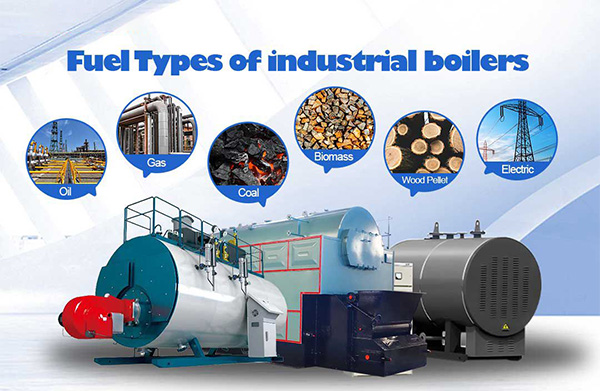
Industrial hot water boilers can operate on several fuel types. Each option has unique advantages and limitations that make it suitable for specific industrial environments.
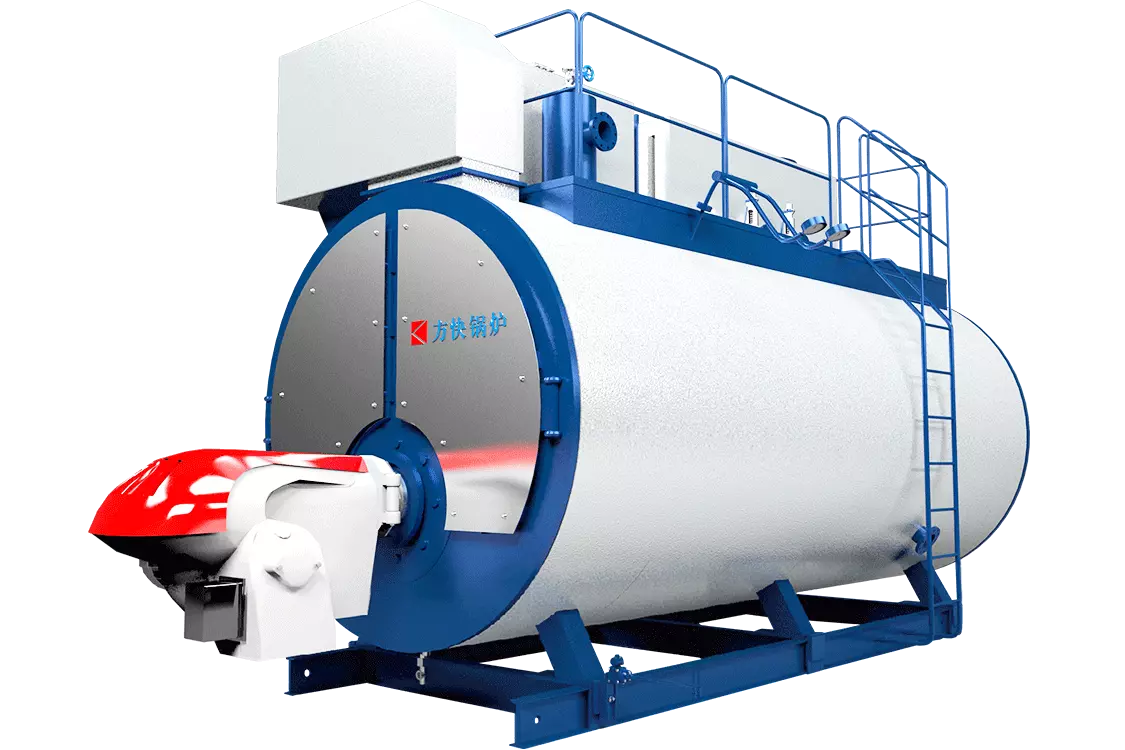
Natural gas is currently the most common fuel used in industrial boiler systems. Gas-fired hot water boilers typically deliver high thermal efficiency and stable combustion performance.
One of the main advantages of natural gas is its clean combustion process, which produces lower emissions compared with coal or oil. In addition, modern condensing gas boilers can achieve efficiency levels exceeding 90%.
Natural gas boilers are widely used in:
- Manufacturing plants
- Food processing facilities
- Commercial buildings
- District heating systems
However, they require access to a reliable gas supply network, which may not be available in all regions.
Oil-fired boilers are often chosen when natural gas infrastructure is unavailable or unreliable. They provide strong heating performance and can operate in remote industrial sites where fuel delivery by truck is feasible.
These systems typically run on diesel or heavy fuel oil. While they offer stable heat output, oil prices tend to fluctuate more than natural gas prices, which can increase long-term operating costs.
Oil-fired industrial boilers are commonly used in:
- Remote factories
- Industrial plants without gas pipelines
- Backup heating systems
Maintenance requirements may also be higher due to soot accumulation and fuel storage management.
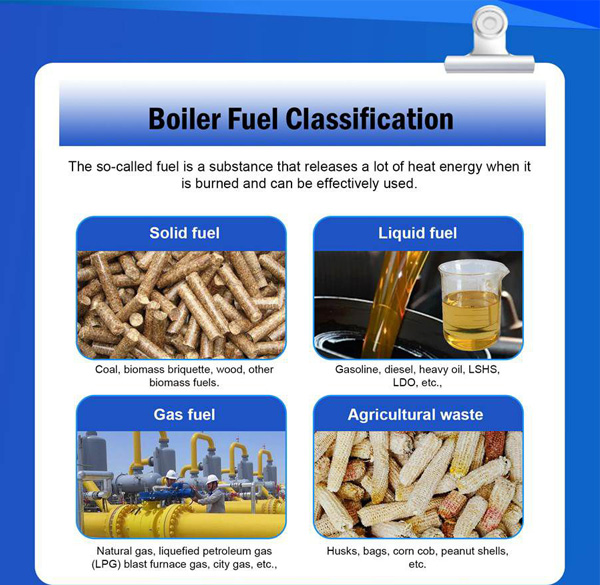
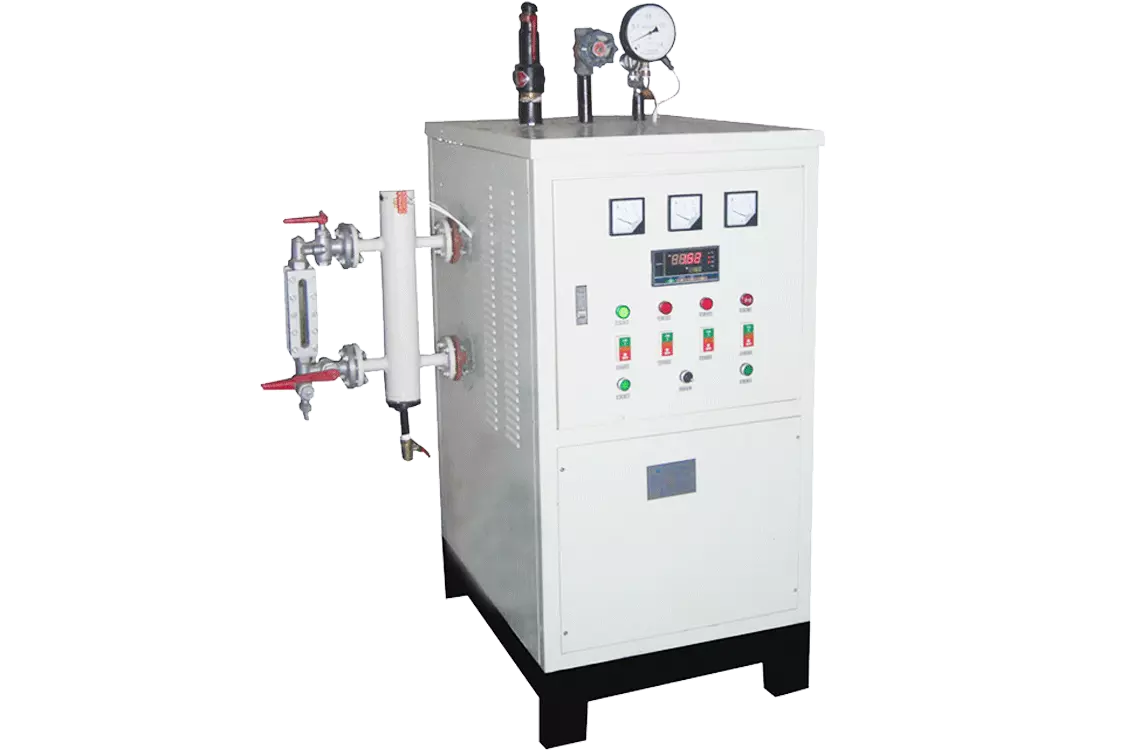
Electric hot water boilers generate heat through electrical resistance rather than combustion. As a result, they produce zero on-site emissions, making them ideal for industries with strict environmental regulations.
Electric boilers also have several operational advantages:
- Very high efficiency (often close to 99%)
- Compact design
- Minimal maintenance requirements
- Quiet operation
However, electricity costs can be significantly higher than fuel-based energy sources in many regions. This means electric boilers are typically used in smaller systems or facilities where environmental performance is more important than fuel cost.
Typical applications include:
- Hospitals
- Pharmaceutical manufacturing
- Laboratories
- Commercial buildings
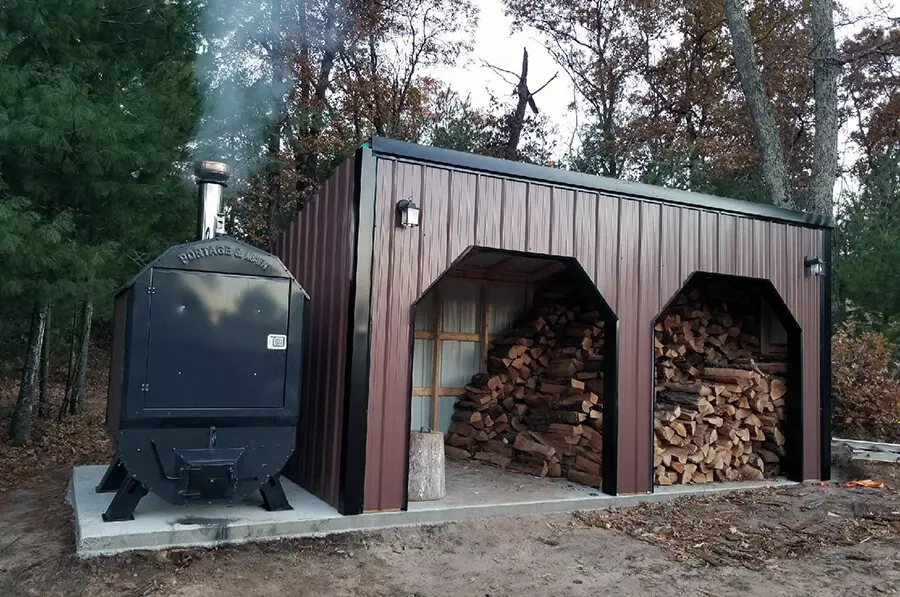
Biomass boilers use renewable organic materials such as wood pellets, wood chips, or agricultural residues. Because biomass fuel is considered renewable, it is often viewed as a sustainable alternative to fossil fuels.
Industrial biomass hot water boilers are increasingly used by companies seeking to reduce carbon emissions and meet sustainability targets.
Benefits of biomass boilers include:
- Renewable fuel source
- Potentially lower fuel costs in some regions
- Reduced net carbon emissions
However, these systems require more space for fuel storage and handling equipment, and maintenance demands can be higher than for gas-fired boilers.
Coal-fired boilers were historically common in industrial heating systems due to their low fuel cost and abundant supply in many regions.
Today, however, coal usage is declining because of strict environmental regulations and higher emissions. Many countries are actively phasing out coal-fired industrial boilers in favor of cleaner energy sources.
Coal boilers may still be used in certain heavy industrial sectors where coal remains economically attractive, but they are becoming less common in modern boiler installations.
Comparison of Industrial Hot Water Boiler Fuel Types
| Fuel Type |
Typical Efficiency |
Operating Cost |
Emissions Level |
Best Applications |
| Natural Gas |
High (85–95%) |
Moderate |
Low |
Manufacturing, commercial buildings |
| Oil |
Medium–High (80–90%) |
Moderate to High |
Medium |
Remote industrial locations |
| Electricity |
Very High (95–99%) |
High |
Very Low |
Hospitals, laboratories |
| Biomass |
High (80–90%) |
Low to Moderate |
Low (renewable) |
Sustainable industrial facilities |
| Coal |
Medium (70–85%) |
Low |
High |
Limited heavy industry |
Key Factors When Choosing the Best Fuel for an Industrial Hot Water Boiler
Fuel Availability
The availability of fuel in a specific region plays a major role in boiler selection. For example, natural gas may be the preferred option in urban industrial zones where pipeline infrastructure already exists. In contrast, remote facilities may rely on oil or biomass due to transportation limitations.
Operating Costs
Fuel price stability is another critical factor. Natural gas prices are often more stable than oil prices, while electricity costs may vary depending on local energy markets.
Companies should evaluate long-term operating costs rather than just initial installation expenses.
Energy Efficiency
High-efficiency boilers reduce fuel consumption and operating costs over time. Modern condensing gas boilers and electric boilers generally achieve the highest efficiency levels.
Environmental Regulations
Environmental policies increasingly influence industrial boiler decisions. Facilities operating in regions with strict emission limits may need to adopt low-emission fuel sources such as natural gas, electricity, or biomass.
Maintenance Requirements
Different fuel systems require different levels of maintenance.
- Electric boilers require minimal maintenance
- Gas boilers require routine burner inspections
- Biomass boilers require ash removal and fuel handling
Best Fuel Options for Different Industrial Applications
Manufacturing Plants
Manufacturing facilities typically prioritize stable operation and cost efficiency. Natural gas boilers are commonly the best solution because they provide reliable heat output with relatively low emissions.
Food Processing Facilities
Food processing plants often require consistent hot water and strict sanitation standards. Gas-fired or electric boilers are commonly selected because they offer clean and reliable heating performance.
Hospitals and Commercial Buildings
Hospitals, hotels, and commercial buildings often prefer electric or natural gas boilers due to their low emissions, quiet operation, and precise temperature control.
Remote Industrial Sites
Facilities located far from natural gas infrastructure frequently rely on oil-fired boilers or biomass systems, depending on fuel availability and transportation logistics.
Future Trends in Industrial Boiler Fuel Selection
- Increased adoption of high-efficiency condensing gas boilers
- Growth of biomass and renewable energy systems
- Expansion of electric boiler technology
- Development of hybrid and hydrogen-ready boiler systems
Conclusion
Selecting the best fuel type for an industrial hot water boiler system depends on multiple factors, including fuel availability, operating cost, efficiency, and environmental regulations.
For most industrial applications, natural gas remains the most balanced option, offering high efficiency, relatively low emissions, and stable operating costs. However, electric boilers may be preferable in facilities with strict environmental requirements, while biomass systems provide a renewable alternative for companies pursuing sustainability goals.
Ultimately, the optimal solution should be determined through a comprehensive evaluation of energy costs, operational requirements, and long-term environmental considerations.
If you have any needs, please contact us in your convenience.
FAQ
What is the most efficient fuel for an industrial hot water boiler?
Electric boilers typically achieve the highest efficiency because nearly all electrical energy is converted directly into heat. However, natural gas boilers often provide better overall cost efficiency due to lower fuel prices.
Are biomass boilers cheaper to operate than gas boilers?
Biomass boilers can offer lower fuel costs in regions where biomass materials are readily available. However, they may require higher maintenance and additional fuel storage infrastructure.
Can electric hot water boilers replace gas boilers in industrial facilities?
In some applications, electric boilers can replace gas systems, especially where emission regulations are strict. However, the higher cost of electricity may limit their use in large-scale industrial heating systems.




View Reviews of our Customer
"We have been using the Fangkuai thermal oil boiler for our chemical plant for years and it has never let us down. The boiler is very durable and can withstand harsh conditions. It is also very easy to operate and maintain, which has helped us save time and money on maintenance. Fangkuai's thermal oil boilers are top-notch and I highly recommend them to anyone in need of reliable heating solutions."
Chang
China"The hot water boiler from Fangkuai is amazing. It heats up quickly and efficiently, and the water stays hot for a long time. We have never had any issues with it and it has made a significant improvement in our daily operations. The installation process was also very smooth and the customer service was excellent. I highly recommend Fangkuai's hot water boilers."
Sarah
Canada"The steam generator from Fangkuai is perfect for my small business. It is very easy to use and requires minimal maintenance. It is also very energy efficient, which has helped me save money on my energy bills. The customer service at Fangkuai is also excellent. They are very responsive and always willing to help. I highly recommend Fangkuai's steam generators."
Ahmed
Egypt"I am very impressed with the quality of Fangkuai's hot water boiler. It is built to last and has exceeded my expectations. The installation process was also very smooth and the customer service was excellent. The hot water boiler is very easy to operate and maintain, and the energy efficiency is remarkable. I highly recommend Fangkuai's hot water boilers."
Jack
Australia"Fangkuai's steam generators are excellent. They are very easy to use and require minimal maintenance. The customer service at Fangkuai is also exceptional. They are very responsive and always willing to help. The energy efficiency of the steam generators is also remarkable, which has helped me save money on my energy bills. I highly recommend Fangkuai's steam generators."
Maria
Spain"We have been using the Fangkuai thermal oil boiler for our chemical plant for years and it has never let us down. The boiler is very durable and can withstand harsh conditions. It is also very easy to operate and maintain, which has helped us save time and money on maintenance. Fangkuai's thermal oil boilers are top-notch and I highly recommend them to anyone in need of reliable heating solutions."
Chang
China"Fangkuai's auxiliary equipment has made my boiler system even better. The quality of the equipment is exceptional and the prices are very reasonable. The equipment has helped improve the efficiency and performance of my boiler system, which has led to significant cost savings. I highly recommend Fangkuai's auxiliary equipment to anyone in need of high-quality boiler accessories."
Maryk
UK"The steam boiler from Fangkuai is perfect for my food processing business. It meets all of our requirements and is very reliable. The quality of the materials and the construction of the boiler are exceptional. It is also very easy to operate and maintain, which has helped us save time and money on maintenance. I highly recommend Fangkuai's steam boilers to anyone in need of reliable heating solutions."
Json
Brazil"The steam generator from Fangkuai is perfect for my small business. It is very easy to use and requires minimal maintenance. It is also very energy efficient, which has helped me save money on my energy bills. The customer service at Fangkuai is also excellent. They are very responsive and always willing to help. I highly recommend Fangkuai's steam generators."
Ahmed
Egypt