Introduction
When companies choose a steam boiler system, emissions and environmental impact have become just as important as cost and efficiency. Governments are tightening emission regulations, and many industrial facilities are now working toward carbon reduction goals. As a result, many engineers and plant managers are asking the same question: Are electric steam boilers more environmentally friendly than gas boilers?
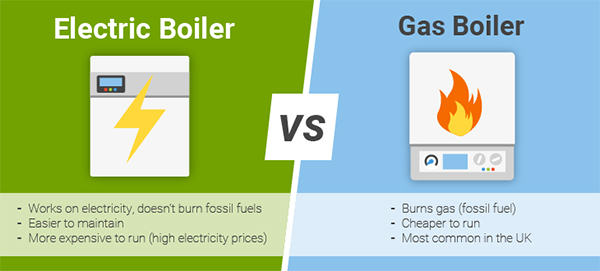
The short answer is this: electric steam boilers produce zero on-site emissions, making them ideal for facilities that must minimize local air pollution. In contrast, gas-fired steam boilers generate carbon dioxide (CO₂) and nitrogen oxides (NOx) during combustion. However, the overall environmental impact of electric boilers depends on how the electricity is produced. If the power comes from renewable sources such as wind or solar, electric boilers can significantly reduce total carbon emissions. If the electricity comes mainly from fossil fuels, the environmental advantage may be smaller.
In this article, we will compare electric steam boilers and gas steam boilers in terms of emissions, carbon footprint, energy efficiency, and environmental impact. Understanding these differences can help businesses select the most sustainable steam generation solution for their operations.
Why Boiler Emissions Matter for Industrial Facilities
Steam boilers are widely used in industries such as food processing, pharmaceuticals, textiles, chemical manufacturing, and hospitals. Because these systems often run continuously, their environmental impact can be significant over time.
Increasing Environmental Regulations
Many countries have introduced strict environmental policies aimed at reducing industrial emissions. These regulations often limit pollutants such as:
- Carbon dioxide (CO₂)
- Nitrogen oxides (NOx)
- Sulfur dioxide (SO₂)
- Particulate matter
Facilities that exceed emission limits may face fines, additional taxes, or requirements to install emission control systems. As a result, choosing a boiler with lower emissions has become a strategic decision.
Corporate Sustainability Goals
In addition to regulatory pressure, many companies have adopted sustainability initiatives and ESG commitments. Reducing carbon emissions is now a priority for organizations seeking to improve their environmental performance and public image.
Steam generation is often one of the largest energy consumers in industrial facilities. Improving boiler efficiency or switching to cleaner energy sources can significantly reduce a company’s carbon footprint.
The Energy Transition in Industrial Heating
Industrial heating systems are gradually transitioning from traditional fossil fuels to cleaner energy technologies. Electric boilers are gaining popularity because they can integrate easily with renewable electricity sources. Meanwhile, gas boilers continue to evolve with advanced combustion technology that reduces emissions.
Understanding how these systems compare environmentally is essential for long-term planning.
How Electric Steam Boilers Produce Steam
Electric steam boilers generate steam using electrical heating elements rather than fuel combustion. This design eliminates many of the pollutants typically associated with conventional boilers.
Electric Heating Technology
In an electric steam boiler, electricity passes through heating elements immersed in water. The electrical resistance generates heat, which raises the water temperature until steam is produced. Because no fuel is burned, the process is clean and highly controllable.
Zero On-Site Emissions
One of the biggest environmental advantages of electric steam boilers is that they produce no direct emissions at the installation site. Unlike combustion boilers, they do not release:
- Carbon dioxide (CO₂)
- Nitrogen oxides (NOx)
- Sulfur dioxide (SO₂)
- Smoke or particulate matter
This makes electric boilers particularly attractive for facilities located in urban areas where air quality regulations are strict.
Environmental Impact Depends on Electricity Source
Although electric boilers have no on-site emissions, their overall environmental impact depends on how the electricity is generated. If the local power grid relies heavily on coal or natural gas power plants, indirect emissions may still occur during electricity production.
However, when electricity is generated from renewable sources such as wind, solar, or hydropower, electric boilers can operate with extremely low carbon emissions.
How Gas Steam Boilers Generate Emissions
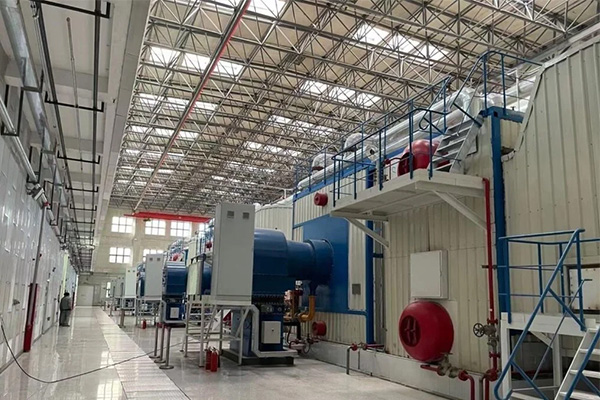
Gas-fired steam boilers produce heat through the combustion of natural gas. While natural gas burns more cleanly than coal or oil, it still generates emissions that affect the environment.
Combustion Process
In a gas steam boiler, natural gas mixes with air in a burner and ignites. The heat produced by the combustion process transfers to water in the boiler, producing steam. Although this process is efficient, it inevitably produces certain emissions.
Major Emissions from Gas Boilers
The primary emissions from gas-fired steam boilers include:
- Carbon dioxide (CO₂) – the main greenhouse gas responsible for climate change
- Nitrogen oxides (NOx) – pollutants that contribute to smog and acid rain
- Small amounts of carbon monoxide and particulate matter
Even though natural gas is considered a relatively clean fossil fuel, these emissions can still affect air quality and contribute to global warming.
Modern Low-NOx Burner Technologies
Modern gas boilers often incorporate advanced combustion technologies designed to reduce emissions. Low-NOx burners, flue gas recirculation systems, and improved combustion controls can significantly lower pollutant levels. However, these technologies cannot eliminate emissions entirely because combustion is still involved.
Emissions Comparison: Electric vs Gas Steam Boilers
| Factor |
Electric Steam Boiler |
Gas Steam Boiler |
| On-site CO₂ Emissions |
None |
Moderate |
| NOx Emissions |
None |
Low–Moderate |
| Air Pollution |
None |
Present |
| Energy Source |
Electricity |
Natural Gas |
| Environmental Impact |
Depends on power generation source |
Depends on combustion efficiency |
Carbon Footprint Comparison
Direct vs Indirect Emissions
Gas steam boilers produce direct emissions at the facility because natural gas is burned during operation. Electric boilers, on the other hand, produce indirect emissions if the electricity used to power them is generated from fossil fuels.
Impact of Renewable Electricity
The environmental advantage of electric boilers becomes much stronger when renewable electricity is available. Facilities powered by solar, wind, or hydropower can operate electric steam boilers with minimal carbon emissions.
Regional Differences in Carbon Intensity
The carbon intensity of electricity varies widely from one region to another. In countries with high renewable energy adoption, electric boilers can significantly reduce emissions. In regions where coal-fired power plants dominate electricity generation, the environmental benefit may be less dramatic.
Air Quality and Local Pollution
Urban Air Pollution Concerns
Cities often face challenges related to smog and air pollution. Industrial combustion systems can contribute to these problems, particularly when multiple facilities operate in the same area.
Because electric boilers do not produce combustion gases, they help reduce urban air pollution.
Industrial Zones and Emission Limits
Many industrial zones enforce strict emission standards. Facilities that exceed permitted levels may need to install additional emission control systems or switch to cleaner technologies.
Electric boilers offer a simple way to comply with these regulations.
Why Electric Boilers Are Preferred in Cities
For hospitals, laboratories, and commercial buildings located in dense urban environments, electric boilers are often the preferred solution because they operate quietly and produce no exhaust gases.
Energy Efficiency Comparison
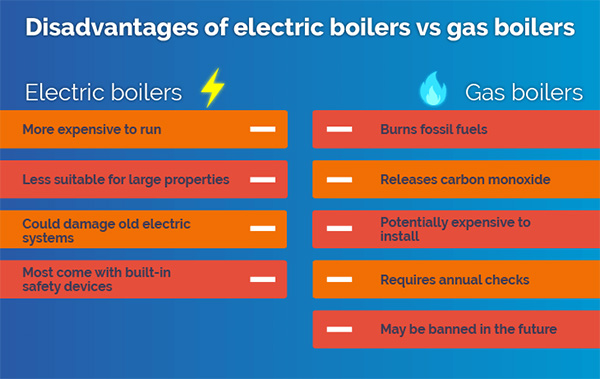
Electric Boiler Efficiency
Electric steam boilers typically achieve efficiency levels of 98% or higher because almost all electrical energy is converted directly into heat.
Gas Boiler Efficiency
Modern gas steam boilers usually operate with efficiencies between 85% and 95%, depending on the design and operating conditions.
Energy Losses in Power Generation
Although electric boilers are highly efficient at the point of use, electricity generation and transmission can involve energy losses. These losses may reduce the overall system efficiency when electricity is produced using fossil fuels.
Which Boiler Is More Environmentally Friendly?
Determining which boiler is more environmentally friendly depends on several factors.
Electric steam boilers are usually the better choice when:
- Facilities must eliminate local air pollution
- Electricity comes from renewable sources
- Environmental regulations are strict
Gas steam boilers may still be a practical option when:
- Electricity costs are high
- Power supply capacity is limited
- Large-scale steam production is required
In many industrial settings, the final decision involves balancing environmental performance with energy costs and operational requirements.
Conclusion
Both electric steam boilers and gas steam boilers have advantages and limitations from an environmental perspective. Electric boilers produce zero on-site emissions and are ideal for facilities that need clean and quiet steam generation. Their environmental performance improves even further when powered by renewable energy.
Gas boilers, on the other hand, remain a widely used solution because they provide reliable steam production and relatively low fuel costs. However, they still produce greenhouse gas emissions and other pollutants during combustion.
For businesses seeking to reduce their environmental impact, the best choice often depends on local energy infrastructure, electricity sources, operating costs, and regulatory requirements. Carefully evaluating these factors can help organizations choose a boiler system that supports both operational efficiency and long-term sustainability.
If you have any needs, please contact us in your convenience.
FAQ
Are electric steam boilers completely emission-free?
Electric steam boilers produce no direct emissions at the installation site. However, indirect emissions may occur if the electricity used to power the boiler is generated from fossil fuel power plants.
Are gas steam boilers bad for the environment?
Gas steam boilers produce fewer emissions than coal or oil boilers, but they still generate carbon dioxide and nitrogen oxides during combustion. Modern low-NOx technologies can reduce these emissions significantly.
Which boiler type is better for reducing carbon emissions?
Electric steam boilers powered by renewable electricity typically provide the lowest carbon emissions. However, in regions where electricity is mainly generated from fossil fuels, the environmental advantage may be smaller.




View Reviews of our Customer
"I purchased a Fangkuai steam boiler for my factory and it has been working flawlessly for months now. The quality of the materials and the construction of the boiler are impressive. It is also very energy efficient, which has helped us save money on our energy bills. I highly recommend Fangkuai's products to anyone in need of reliable and efficient heating solutions."
John
USA"The steam boiler from Fangkuai is perfect for my food processing business. It meets all of our requirements and is very reliable. The quality of the materials and the construction of the boiler are exceptional. It is also very easy to operate and maintain, which has helped us save time and money on maintenance. I highly recommend Fangkuai's steam boilers to anyone in need of reliable heating solutions."
Json
Brazil"I am very impressed with the quality of Fangkuai's hot water boiler. It is built to last and has exceeded my expectations. The installation process was also very smooth and the customer service was excellent. The hot water boiler is very easy to operate and maintain, and the energy efficiency is remarkable. I highly recommend Fangkuai's hot water boilers."
Jack
Australia"The steam generator from Fangkuai is perfect for my small business. It is very easy to use and requires minimal maintenance. It is also very energy efficient, which has helped me save money on my energy bills. The customer service at Fangkuai is also excellent. They are very responsive and always willing to help. I highly recommend Fangkuai's steam generators."
Ahmed
Egypt"The customer service at Fangkuai is top-notch. They helped me choose the perfect boiler for my needs and provided great support throughout the process. The installation process was also very smooth and the boiler has exceeded my expectations. It is very easy to use and maintain, and the energy efficiency is remarkable. I highly recommend Fangkuai's products to anyone in need of reliable and efficient heating solutions."
Juan
Mexico"We have been using the Fangkuai thermal oil boiler for our chemical plant for years and it has never let us down. The boiler is very durable and can withstand harsh conditions. It is also very easy to operate and maintain, which has helped us save time and money on maintenance. Fangkuai's thermal oil boilers are top-notch and I highly recommend them to anyone in need of reliable heating solutions."
Chang
China"We have been using the Fangkuai thermal oil boiler for our chemical plant for years and it has never let us down. The boiler is very durable and can withstand harsh conditions. It is also very easy to operate and maintain, which has helped us save time and money on maintenance. Fangkuai's thermal oil boilers are top-notch and I highly recommend them to anyone in need of reliable heating solutions."
Chang
China"Fangkuai's auxiliary equipment has made my boiler system even better. The quality of the equipment is exceptional and the prices are very reasonable. The equipment has helped improve the efficiency and performance of my boiler system, which has led to significant cost savings. I highly recommend Fangkuai's auxiliary equipment to anyone in need of high-quality boiler accessories."
Maryk
UK"I am very impressed with the quality of Fangkuai's hot water boiler. It is built to last and has exceeded my expectations. The installation process was also very smooth and the customer service was excellent. The hot water boiler is very easy to operate and maintain, and the energy efficiency is remarkable. I highly recommend Fangkuai's hot water boilers."
Jack
Australia