Introduction
Choosing the right fuel type for a new hot water boiler is one of the most important decisions for any facility planning a heating system upgrade. The fuel you select will directly affect operating costs, system efficiency, maintenance requirements, and environmental impact for many years.
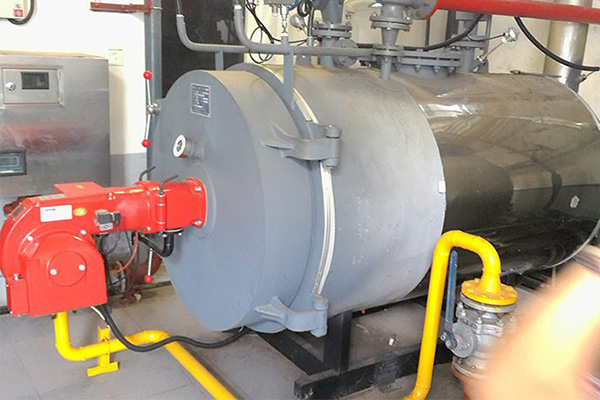
In most commercial and industrial situations, natural gas boilers offer the best balance between cost, efficiency, and emissions. However, this does not mean natural gas is always the best option. In facilities with strict environmental regulations, electric boilers may be the most suitable solution, while biomass boilers can provide long-term cost advantages in regions where biomass fuel is readily available.
This guide explains how different boiler fuel types compare in terms of cost, efficiency, emissions, and long-term performance. By understanding these factors, businesses can make a more informed investment when selecting a new hot water boiler system.
Why Fuel Selection Matters for a Hot Water Boiler
Many companies focus heavily on the purchase price of a boiler, but the fuel choice actually determines the majority of long-term operating expenses. A poorly selected fuel can significantly increase energy bills and maintenance costs over time.
Impact on Operating Costs
For most boiler systems, fuel expenses account for 70–80% of total lifecycle costs. Even small differences in fuel efficiency or price can create major cost differences over years of operation.
For example:
- A natural gas boiler typically has lower fuel costs in regions with stable gas infrastructure.
- Electric boilers may have higher operating costs in areas where electricity prices are high.
- Biomass boilers can significantly reduce costs if biomass fuel is locally available.
Therefore, understanding fuel price trends and supply availability is essential when planning a new system.
Influence on System Efficiency
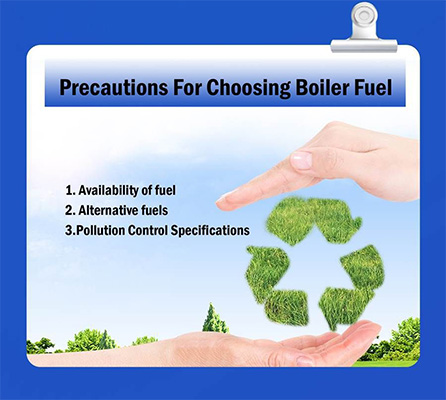
The type of fuel used also affects the overall efficiency of the boiler system. Some fuels support high-efficiency condensing technology, while others may have limitations related to combustion characteristics or energy density.
Higher efficiency means:
- Less fuel consumption
- Lower operating costs
- Reduced emissions
Environmental and Regulatory Considerations
Environmental regulations are becoming stricter in many countries. Businesses must now consider carbon emissions, air quality regulations, and sustainability goals when selecting boiler fuel.
- Natural gas produces fewer emissions than coal or oil.
- Electric boilers generate zero on-site emissions.
- Biomass boilers are considered renewable energy systems in many regions.
Fuel Availability and Infrastructure
Another important factor is the availability of fuel and the infrastructure required to support it. Installing a gas pipeline, upgrading electrical capacity, or building a biomass storage system can significantly affect the overall project cost.
Main Fuel Types Used in Hot Water Boilers
Several fuel options are commonly used for hot water boilers in industrial and commercial facilities. Each option has unique advantages and limitations.
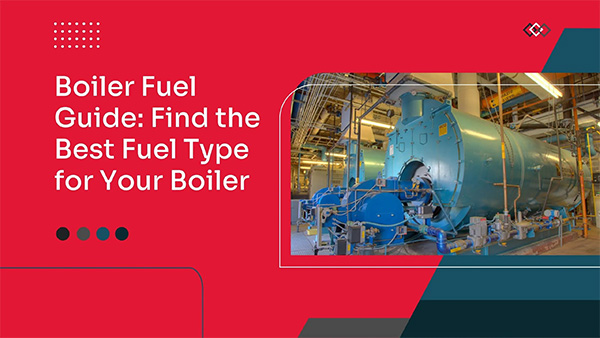
Natural gas is currently the most widely used fuel for hot water boilers worldwide. It offers a strong balance between efficiency, emissions, and operating cost.
Advantages include:
- High combustion efficiency
- Relatively low fuel cost in many regions
- Lower emissions compared with oil or coal
- Compatibility with condensing boiler technology
Natural gas boilers are commonly used in:
- Manufacturing facilities
- Hospitals
- Commercial buildings
- Food processing plants
Electric hot water boilers have become increasingly popular in facilities that prioritize clean energy solutions. Because they do not rely on combustion, they produce no direct emissions.
Key benefits include:
- Extremely high efficiency (often above 98%)
- Simple installation
- Quiet operation
- Minimal maintenance
However, operating costs depend heavily on electricity prices. In regions with expensive electricity, electric boilers may have higher long-term costs.
Oil-fired boilers are still widely used in areas where natural gas infrastructure is limited. They are particularly common in remote industrial facilities.
Advantages include:
- Reliable heat output
- Fuel storage flexibility
- Suitable for locations without gas pipelines
However, oil boilers typically produce higher emissions and require more maintenance compared with gas systems.
Biomass boilers use organic materials such as wood pellets, agricultural waste, or biomass briquettes as fuel. These systems are gaining attention due to their sustainability benefits.
Advantages include:
- Renewable fuel source
- Potentially lower fuel costs
- Reduced carbon footprint
Biomass boilers are often used in industries such as:
- Agriculture
- Wood processing
- Food production
- District heating systems
Fuel Type Comparison for Hot Water Boilers
| Fuel Type |
Initial Investment |
Operating Cost |
Energy Efficiency |
Emissions |
Typical Applications |
| Natural Gas |
Moderate |
Low |
High |
Low |
Industrial plants, hospitals, commercial buildings |
| Electricity |
Low–Moderate |
Medium–High |
Very High |
Zero on-site emissions |
Laboratories, hospitals, urban buildings |
| Oil |
Moderate |
Medium–High |
Moderate |
Higher emissions |
Remote facilities, backup systems |
| Biomass |
High |
Low |
Moderate–High |
Very Low (renewable) |
Agriculture, biomass-rich regions |
Conclusion
Selecting the best fuel type for a new hot water boiler requires careful evaluation of cost, efficiency, emissions, and fuel availability. While natural gas boilers often provide the best balance for many commercial and industrial applications, electric boilers are ideal for facilities prioritizing low emissions, and biomass boilers offer a renewable energy alternative where biomass fuel is accessible.
By analyzing fuel costs, system efficiency, environmental requirements, and operational needs, businesses can choose a boiler system that delivers reliable heating performance while minimizing long-term operating expenses.
If you have any needs, Por favor contáctenos en su conveniencia.
Preguntas frecuentes
¿Cuál es el combustible más eficiente para una caldera de agua caliente??
Las calderas eléctricas suelen ser las más eficientes porque convierten la electricidad directamente en calor con una mínima pérdida de energía.. Sin embargo, El costo operativo total depende de los precios locales de la electricidad..
¿Es el gas natural el combustible más barato para calderas de agua caliente??
En muchas regiones, El gas natural ofrece el costo operativo más bajo debido al suministro estable y la alta eficiencia de combustión.. Sin embargo, Los precios del combustible varían según la ubicación..
¿Son las calderas de biomasa adecuadas para edificios comerciales??
Las calderas de biomasa se utilizan más comúnmente en instalaciones industriales o áreas con abundantes recursos de biomasa.. Para muchos edificios comerciales, Las calderas de gas natural o eléctricas suelen ser soluciones más prácticas..




VVer opiniones de nuestro cliente
"Los generadores de vapor de Fangkuai son excelentes. Son muy fáciles de usar y requieren un mantenimiento mínimo.. El servicio al cliente en Fangkuai también es excepcional.. Son muy receptivos y siempre dispuestos a ayudar.. La eficiencia energética de los generadores de vapor también es destacable, que me ha ayudado a ahorrar dinero en mis facturas de energía. Recomiendo encarecidamente los generadores de vapor de Fangkuai."
María
España"La caldera de aceite térmico de Fangkuai es muy fácil de operar y mantener. Nos ha ayudado a ahorrar tiempo y dinero en mantenimiento., lo que ha supuesto un importante ahorro de costes. La calidad de los materiales y la construcción de la caldera son excepcionales. También es muy eficiente energéticamente., lo que nos ha ayudado a ahorrar dinero en nuestras facturas de energía. Recomiendo encarecidamente la caldera de aceite térmico de Fangkuai. ."
allen
Brasil"El servicio al cliente en Fangkuai es de primera categoría.. Me ayudaron a elegir la caldera perfecta para mis necesidades y me brindaron un gran apoyo durante todo el proceso.. El proceso de instalación también fue muy sencillo y la caldera ha superado mis expectativas.. Es muy fácil de usar y mantener., y la eficiencia energética es notable. Recomiendo encarecidamente los productos de Fangkuai a cualquiera que necesite soluciones de calefacción fiables y eficientes."
Juan
México"La caldera de aceite térmico de Fangkuai es muy fácil de operar y mantener. Nos ha ayudado a ahorrar tiempo y dinero en mantenimiento., lo que ha supuesto un importante ahorro de costes. La calidad de los materiales y la construcción de la caldera son excepcionales. También es muy eficiente energéticamente., lo que nos ha ayudado a ahorrar dinero en nuestras facturas de energía. Recomiendo encarecidamente la caldera de aceite térmico de Fangkuai. ."
allen
Brasil"Los generadores de vapor de Fangkuai son excelentes. Son muy fáciles de usar y requieren un mantenimiento mínimo.. El servicio al cliente en Fangkuai también es excepcional.. Son muy receptivos y siempre dispuestos a ayudar.. La eficiencia energética de los generadores de vapor también es destacable, que me ha ayudado a ahorrar dinero en mis facturas de energía. Recomiendo encarecidamente los generadores de vapor de Fangkuai."
María
España"Compré una caldera de vapor Fangkuai para mi fábrica y ha estado funcionando perfectamente durante meses.. La calidad de los materiales y la construcción de la caldera son impresionantes.. También es muy eficiente energéticamente., lo que nos ha ayudado a ahorrar dinero en nuestras facturas de energía. Recomiendo encarecidamente los productos de Fangkuai a cualquiera que necesite soluciones de calefacción fiables y eficientes."
John
EE.UU"Compré una caldera de vapor Fangkuai para mi fábrica y ha estado funcionando perfectamente durante meses.. La calidad de los materiales y la construcción de la caldera son impresionantes.. También es muy eficiente energéticamente., lo que nos ha ayudado a ahorrar dinero en nuestras facturas de energía. Recomiendo encarecidamente los productos de Fangkuai a cualquiera que necesite soluciones de calefacción fiables y eficientes."
John
EE.UU"El servicio al cliente en Fangkuai es de primera categoría.. Me ayudaron a elegir la caldera perfecta para mis necesidades y me brindaron un gran apoyo durante todo el proceso.. El proceso de instalación también fue muy sencillo y la caldera ha superado mis expectativas.. Es muy fácil de usar y mantener., y la eficiencia energética es notable. Recomiendo encarecidamente los productos de Fangkuai a cualquiera que necesite soluciones de calefacción fiables y eficientes."
Juan
México"Llevamos años utilizando la caldera de aceite térmico Fangkuai para nuestra planta química y nunca nos ha defraudado.. La caldera es muy duradera y puede soportar condiciones adversas.. También es muy fácil de operar y mantener., lo que nos ha ayudado a ahorrar tiempo y dinero en mantenimiento. Las calderas de aceite térmico de Fangkuai son de primera y las recomiendo a cualquiera que necesite soluciones de calefacción confiables."
chang
Porcelana