Introduction
A boiler works by heating water using a fuel source such as gas, oil, or electricity, and then distributing that heat through a closed system to provide space heating or hot water. In simple terms, the process involves combustion (or electrical heating), heat transfer, and circulation. Modern boilers are highly efficient, safe, and widely used in homes, commercial buildings, and industrial facilities.
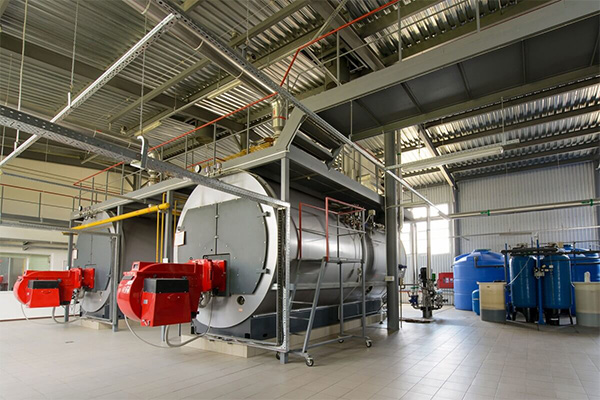
In this complete beginner’s guide, you’ll learn exactly how a boiler works step by step, the key components involved, different types of boilers, and how to improve efficiency. Whether you’re a homeowner, business operator, or just curious, this guide will give you a clear and practical understanding of boiler systems.
What Is a Boiler?
Basic Definition
A boiler is a closed vessel that heats water to generate hot water or steam for heating and industrial processes. Unlike other heating systems, boilers rely on water as the medium to transfer heat efficiently throughout a building or system.
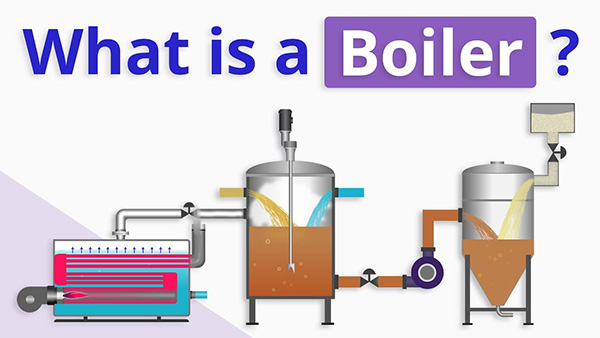
Boiler vs Furnace
While boilers use water or steam to distribute heat, furnaces heat air and circulate it through ducts. Boilers generally provide more consistent and comfortable heating, especially in larger or multi-zone environments.
How Does a Boiler Work? (Step-by-Step Explanation)
Step 1 – Fuel Combustion
The process begins when fuel—such as natural gas, oil, electricity, or biomass—is used to generate heat. In gas and oil boilers, a burner ignites the fuel inside the combustion chamber.
Step 2 – Heat Transfer
The heat generated from combustion is transferred to water through a heat exchanger. This component is designed to maximize heat transfer while minimizing energy loss.
Step 3 – Water Heating
The water inside the boiler is heated to a set temperature. Depending on the system, this may produce hot water (typically 60–90°C) or steam for industrial use.
Step 4 – Heat Distribution
The heated water or steam is circulated through pipes to radiators, underfloor heating systems, or industrial equipment. This is how heat is delivered to the desired areas.
Step 5 – Return Cycle
After releasing heat, the cooled water returns to the boiler to be reheated, creating a continuous and efficient closed-loop system.
Main Components of a Boiler System
| Component |
Function |
| Burner |
Generates heat by burning fuel |
| Heat Exchanger |
Transfers heat from combustion to water |
| Pump |
Circulates water through the system |
| Expansion Tank |
Absorbs pressure changes in the system |
| Control System |
Regulates temperature, pressure, and safety |
Types of Boilers and How They Work
Gas boilers use natural gas or LPG to generate heat. They are efficient, cost-effective, and widely used in residential and commercial applications.
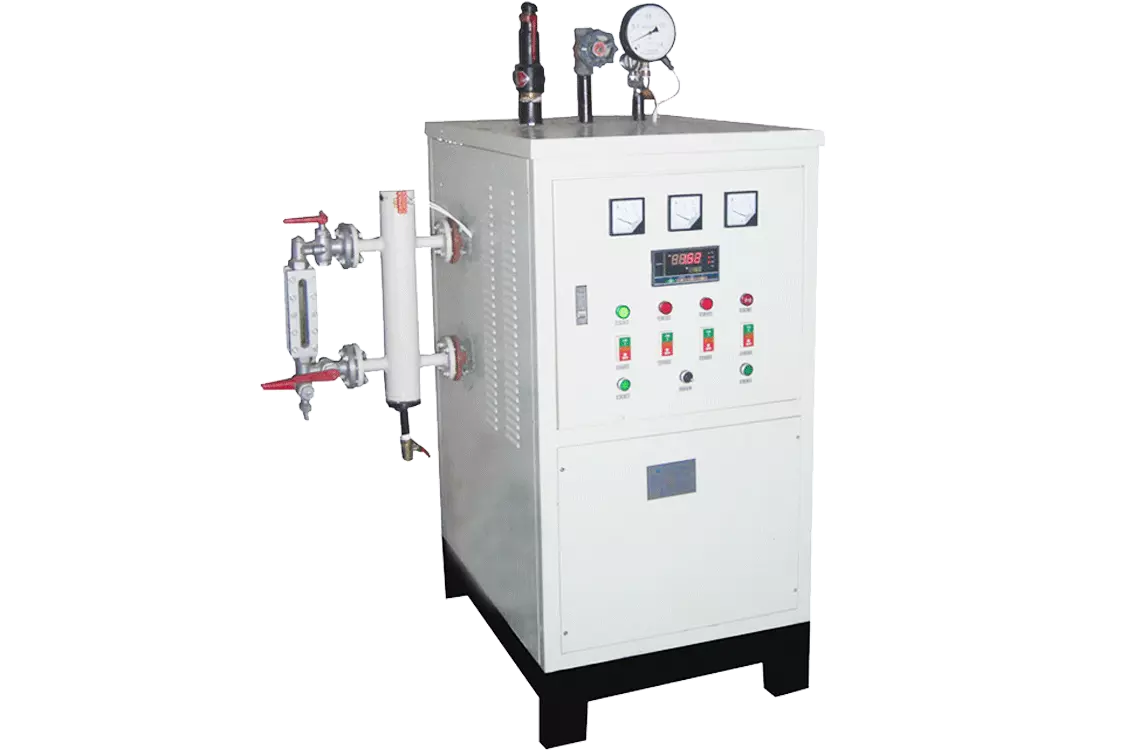
Electric boilers use electrical resistance to heat water. They are compact, clean, and easy to install, but may have higher operating costs depending on electricity prices.
Oil boilers burn diesel or heating oil, making them suitable for areas without gas supply. However, they require more maintenance and have higher emissions.
Biomass Boilers
Biomass boilers use organic materials like wood pellets. They are environmentally friendly but require more space and fuel storage.
Hot Water Boiler vs Steam Boiler
| Feature |
Hot Water Boiler |
Steam Boiler |
| Working Principle |
Heats water for circulation |
Generates steam for distribution |
| Temperature |
Lower (60–90°C) |
Higher (above 100°C) |
| Applications |
Heating, domestic hot water |
Industrial processes |
| Efficiency |
Higher |
Slightly lower |
Boiler Efficiency Explained
What Is Boiler Efficiency?
Boiler efficiency measures how effectively fuel is converted into usable heat. Higher efficiency means lower fuel consumption and operating costs.
Typical Efficiency Levels
Standard boilers operate at around 80%–90% efficiency, while modern condensing boilers can reach up to 98% by recovering waste heat.
How to Improve Efficiency
- Schedule regular maintenance and cleaning
- Use high-efficiency condensing models
- Optimize system design and insulation
Common Boiler Applications
- Residential: home heating and hot water supply
- Commercial: hotels, hospitals, schools
- Industrial: food processing, textile production
Common Boiler Problems and Solutions
- No heat: Check thermostat and fuel supply
- Low pressure: Refill water or check for leaks
- Strange noises: Possible scale buildup or air in the system
How to Choose the Right Boiler
- Calculate heating demand based on space or process needs
- Select fuel type based on availability and cost
- Consider efficiency ratings and long-term savings
- Ensure compliance with local environmental regulations
Conclusion
Understanding how a boiler works helps you make smarter decisions when selecting, operating, or maintaining a heating system. At its core, a boiler uses fuel or electricity to heat water and distribute that heat efficiently through a closed system. While the principle is simple, modern boilers incorporate advanced technologies to improve performance, safety, and energy efficiency. Choosing the right boiler type and maintaining it properly will ensure reliable operation and long-term cost savings.
If you have any needs, please contact us in your convenience.
FAQ
1. How does a boiler heat a house?
A boiler heats water and circulates it through radiators or underfloor heating systems, which then release heat into the living space.
2. Are boilers energy efficient?
Yes, especially modern condensing boilers, which can achieve efficiency levels of up to 98% by recovering heat from exhaust gases.
3. How long does a boiler last?
Most boilers last between 10 and 15 years with proper maintenance and regular servicing.

 Get FREE Local Boiler Quotes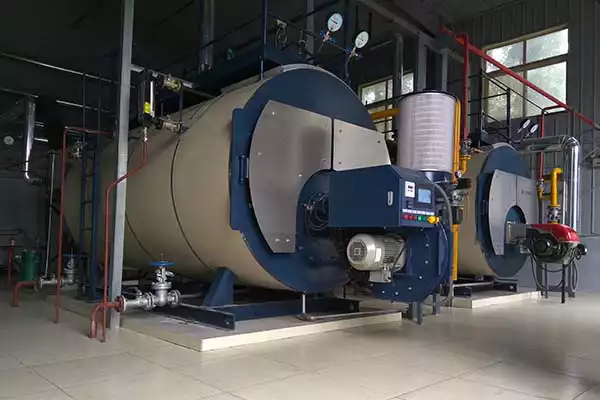


View Reviews of our Customer
"The customer service at Fangkuai is top-notch. They helped me choose the perfect boiler for my needs and provided great support throughout the process. The installation process was also very smooth and the boiler has exceeded my expectations. It is very easy to use and maintain, and the energy efficiency is remarkable. I highly recommend Fangkuai's products to anyone in need of reliable and efficient heating solutions."
Juan
Mexico"The hot water boiler from Fangkuai is amazing. It heats up quickly and efficiently, and the water stays hot for a long time. We have never had any issues with it and it has made a significant improvement in our daily operations. The installation process was also very smooth and the customer service was excellent. I highly recommend Fangkuai's hot water boilers."
Sarah
Canada"Fangkuai's auxiliary equipment has made my boiler system even better. The quality of the equipment is exceptional and the prices are very reasonable. The equipment has helped improve the efficiency and performance of my boiler system, which has led to significant cost savings. I highly recommend Fangkuai's auxiliary equipment to anyone in need of high-quality boiler accessories."
Maryk
UK"I am very impressed with the quality of Fangkuai's hot water boiler. It is built to last and has exceeded my expectations. The installation process was also very smooth and the customer service was excellent. The hot water boiler is very easy to operate and maintain, and the energy efficiency is remarkable. I highly recommend Fangkuai's hot water boilers."
Jack
Australia"The thermal oil boiler from Fangkuai is very easy to operate and maintain. It has helped us save time and money on maintenance, which has led to significant cost savings. The quality of the materials and the construction of the boiler are exceptional. It is also very energy efficient, which has helped us save money on our energy bills. I highly recommend Fangkuai's thermal oil boiler ."
Allen
Brazil"I purchased a Fangkuai steam boiler for my factory and it has been working flawlessly for months now. The quality of the materials and the construction of the boiler are impressive. It is also very energy efficient, which has helped us save money on our energy bills. I highly recommend Fangkuai's products to anyone in need of reliable and efficient heating solutions."
John
USA"We have been using the Fangkuai thermal oil boiler for our chemical plant for years and it has never let us down. The boiler is very durable and can withstand harsh conditions. It is also very easy to operate and maintain, which has helped us save time and money on maintenance. Fangkuai's thermal oil boilers are top-notch and I highly recommend them to anyone in need of reliable heating solutions."
Chang
China"I am very impressed with the quality of Fangkuai's hot water boiler. It is built to last and has exceeded my expectations. The installation process was also very smooth and the customer service was excellent. The hot water boiler is very easy to operate and maintain, and the energy efficiency is remarkable. I highly recommend Fangkuai's hot water boilers."
Jack
Australia"The customer service at Fangkuai is top-notch. They helped me choose the perfect boiler for my needs and provided great support throughout the process. The installation process was also very smooth and the boiler has exceeded my expectations. It is very easy to use and maintain, and the energy efficiency is remarkable. I highly recommend Fangkuai's products to anyone in need of reliable and efficient heating solutions."
Juan
Mexico