What Information Is Needed for an Industrial Boiler Quotation?
To prepare an accurate quotation for an industrial steam boiler, a manufacturer needs more than the required boiler capacity.
At minimum, provide:
- required steam or hot-water capacity;
- minimum, normal and peak demand;
- working pressure;
- steam temperature, if applicable;
- fuel type and specification;
- operating hours;
- feedwater temperature and water quality;
- condensate return conditions;
- application or industry;
- installation country;
- emissions requirements;
- certification requirements;
- site conditions;
- required auxiliary equipment;
- and delivery requirements.
The more complete the project data, the easier it is for the manufacturer to select the correct boiler and provide a quotation that reflects the actual project scope.
What Are the Most Important Parameters for a Boiler Quotation?
If you do not yet have a complete technical specification, start with five essential parameters:
Capacity + Working Pressure + Fuel + Operating Hours + Installation Country
These five parameters allow a boiler supplier to make an initial assessment.
For final boiler selection and a detailed quotation, however, additional process and site information is normally required.
1. What Boiler Capacity Do You Need?
Specify the required output of the boiler.
For a steam boiler, capacity may be expressed in:
- kg/h;
- t/h;
- lb/h;
- boiler horsepower;
- or another applicable unit.
If possible, provide three values:
- minimum demand;
- normal demand;
- peak demand.
For example, simply requesting a “10 t/h steam boiler” does not show whether the plant continuously consumes 10 t/h or normally operates at a much lower load with only short production peaks.
A real load profile helps the manufacturer evaluate boiler sizing, burner turndown and whether one boiler or multiple boilers may be more suitable.
2. What Working Pressure Is Required?
For steam boiler quotations, specify the pressure required by the process.
Useful information includes:
- required process pressure;
- expected boiler operating pressure;
- required design pressure, if already specified;
- and steam distribution conditions where relevant.
The boiler should not automatically be selected at the highest available pressure.
The required process condition should be defined first.
3. Do You Need Saturated or Superheated Steam?
Most process-heating applications use saturated steam, while certain industrial or power applications may require superheated steam.
Tell the manufacturer:
- saturated or superheated steam;
- required steam temperature;
- and any specific steam-quality requirement.
If you are unsure, describe the actual process application instead of guessing a steam temperature.
4. What Fuel Will the Boiler Use?
Specify the available fuel at the installation site.
Common options include:
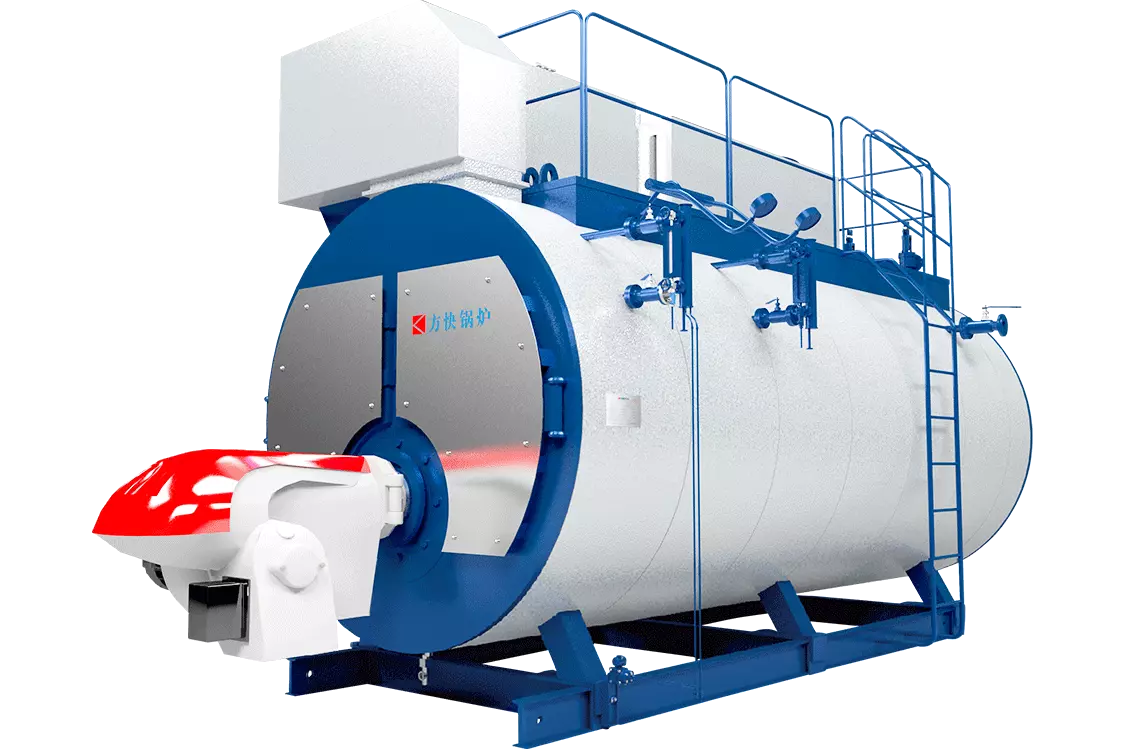
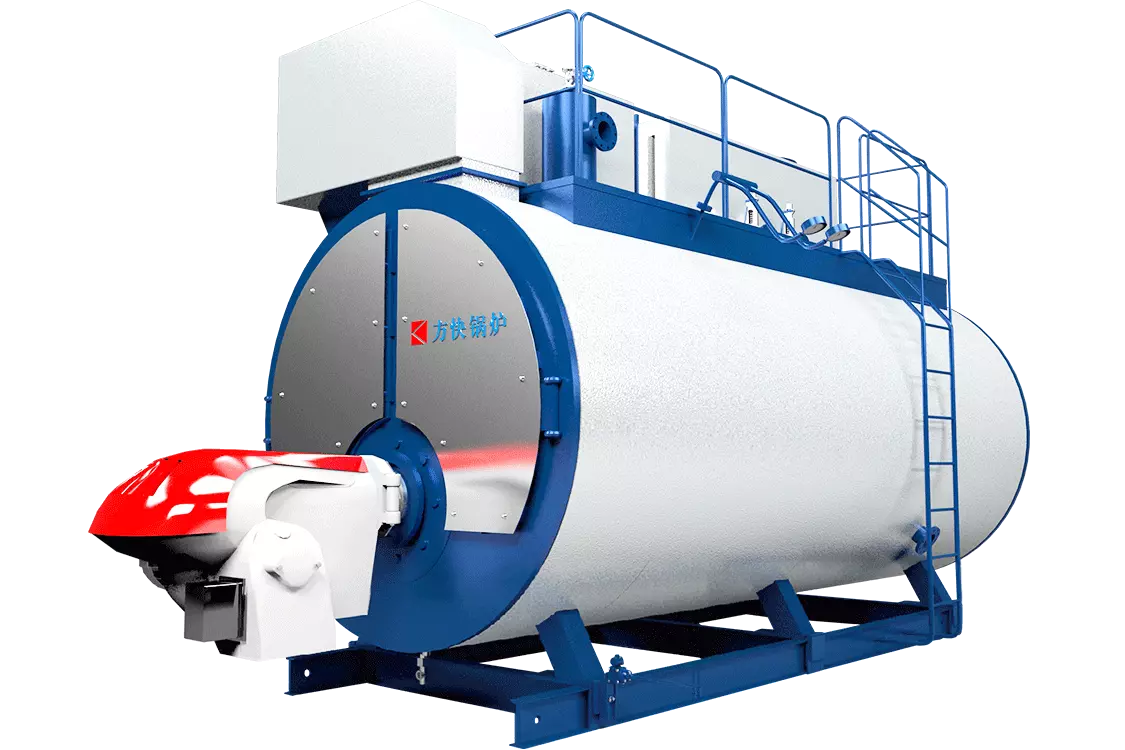
If natural gas is available at the project site, buyers can review suitable gas-fired steam boiler configurations and burner requirements before requesting a quotation.
- LPG;
- diesel or fuel oil;
- biomass;
Where a consistent solid-fuel supply is available, biomass-fired steam boilers require more detailed fuel information, particularly moisture, calorific value, ash content and particle size.
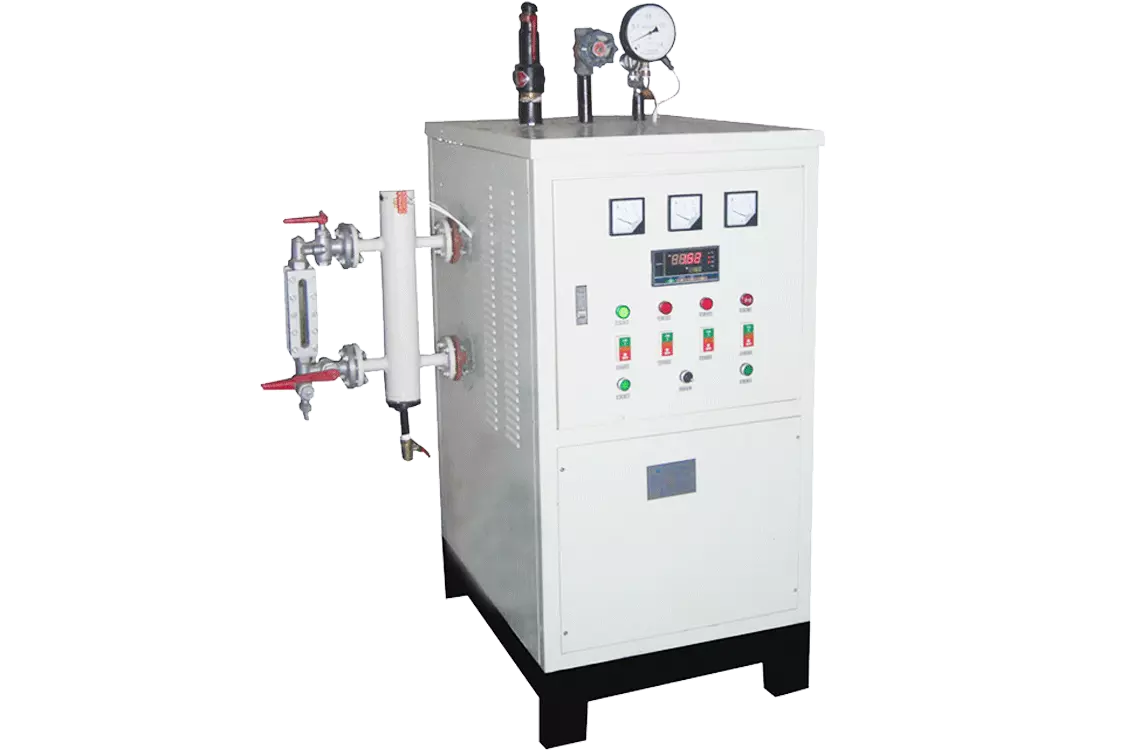
For projects considering electrification, electric steam boilers should be evaluated together with available grid capacity, voltage and electricity tariffs.
- or project-specific fuels.
For gas projects, useful information can include fuel composition, heating value and available supply pressure where known.
For biomass projects, provide as much fuel information as possible, including:
- fuel type;
- moisture;
- calorific value;
- ash content;
- particle size;
- and fuel availability.
Fuel information affects the burner or combustion system, fuel-handling equipment, emissions solution and expected operating cost.
5. How Many Hours Will the Boiler Operate?
Provide:
- operating hours per day;
- operating days per year;
- number of shifts;
- expected load variation;
- and seasonal operation where applicable.
A boiler operating continuously has very different lifecycle requirements from one operating only a few hours per day.
Operating hours are also necessary when comparing annual fuel consumption, industrial steam boiler efficiency under real operating conditions, and total cost of ownership.
6. What Feedwater Information Is Required?
For steam boiler projects, provide available information about:
- feedwater temperature;
- raw-water quality;
- treated-water quality;
- hardness;
- total dissolved solids;
- pH;
- and existing water-treatment equipment.
If a recent water-analysis report is available, send it with the RFQ.
Water conditions can influence the required treatment system, blowdown strategy, reliability and long-term boiler performance.
Water quality should also be evaluated together with the boiler’s heat-transfer surfaces, feedwater system and other steam boiler components.
7. Is Condensate Returned to the Boiler System?
Tell the supplier whether condensate from the process will be returned.
If possible, provide:
- condensate return percentage or flow;
- return temperature;
- condensate quality;
- and whether the plant already has a condensate-recovery system.
Condensate return affects the boiler’s water and heat balance and should be considered when evaluating the complete steam system.
8. What Industry and Process Will Use the Steam?
Do not only state the boiler size.
Tell the manufacturer what the steam will actually be used for.
Examples include:
- food and beverage processing;
- textile production;
- chemical processing;
- pharmaceutical manufacturing;
- brewing and distilling;
- paper production;
- sterilization;
- process heating;
- or power-related applications.
Process information helps engineers understand load behavior, steam requirements and operating priorities.
9. Why Is the Installation Country Important?
Always provide the country—and preferably the region—where the boiler will be installed.
This is important because requirements can vary by location, including:
- emissions;
- pressure equipment requirements;
- electrical standards;
- certification;
- documentation;
- transport;
- installation;
- and inspection.
For export projects, the destination market should therefore be confirmed before the final boiler configuration is selected.
10. What Emissions Requirements Apply?
If the project has defined emissions limits, include them in the RFQ.
Depending on the project and fuel, relevant requirements may involve:
- NOx;
- CO;
- particulate matter;
- SOx;
- or other locally regulated pollutants.
Do not assume that one emissions specification applies worldwide.
The applicable requirement should come from the installation market and project permit conditions.
For example, U.S. projects may be subject to applicable EPA requirements for industrial, commercial and institutional boilers, depending on the facility, boiler and fuel category.
11. What Certification Is Required?
Tell the manufacturer about any required codes, standards or certifications.
Depending on the project and destination market, pressure-equipment requirements may involve standards such as the ASME Boiler and Pressure Vessel Code (BPVC) or other market-specific requirements.
Depending on the destination and project, this may include requirements related to:
- pressure vessel construction;
- electrical equipment;
- burner systems;
- safety systems;
- inspection;
- documentation;
- or market-specific conformity procedures.
If your project requires a specific certification, ask the supplier to confirm that the quoted equipment is actually covered by the relevant scope.
12. What Site Information Should Be Provided?
Useful site information can include:
- altitude;
- ambient temperature;
- indoor or outdoor installation;
- available boiler-room dimensions;
- access restrictions;
- maximum transport dimensions;
- available electricity;
- fuel infrastructure;
- chimney restrictions;
- and existing plant connections.
Site limitations can affect boiler configuration and auxiliary-equipment selection.
13. What Auxiliary Equipment Should Be Included in the Quotation?
Specify whether you require only the boiler or a more complete boiler system.
Depending on the project, the quotation may need to include different types of boiler auxiliary equipment, such as:
- burner;
- feedwater pumps;
- water-treatment system;
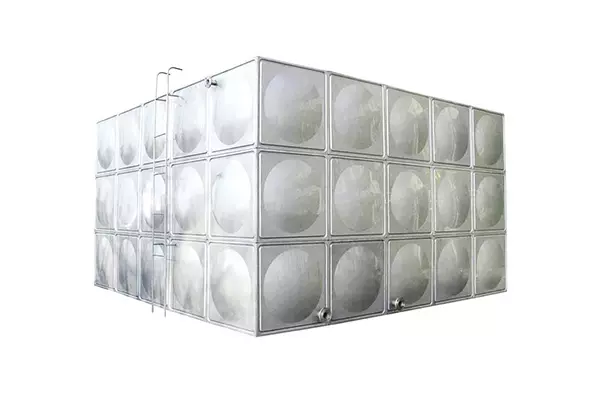
- feedwater tank;
- deaerator;
- economizer;
- chimney;
- fuel system;
- condensate system;
- blowdown system;
- control cabinet;
- emissions-control equipment;
- valves;
- instrumentation;
- and other project-specific auxiliaries.
Always ask for a clear list of inclusions and exclusions.
A low boiler price can be misleading when major auxiliary equipment is excluded.
14. What Automation Is Required?
Tell the supplier what level of control and monitoring is expected.
Requirements may include:
- PLC;
- HMI;
- SCADA integration;
- remote monitoring;
- steam-flow measurement;
- fuel-flow measurement;
- alarm history;
- operating-data storage;
- communication protocols;
- and integration with an existing plant control system.
The term “automatic boiler” alone is not sufficiently specific for a detailed project quotation.
15. What Commercial Information Should Be Included?
A complete RFQ should also specify commercial requirements where known.
These may include:
- required delivery date;
- destination;
- preferred Incoterms;
- packing requirements;
- installation responsibility;
- commissioning;
- operator training;
- spare parts;
- warranty;
- and after-sales service.
This helps prevent a quotation for boiler equipment alone from being compared against another supplier’s complete installed-system scope.
Industrial Boiler RFQ Checklist
Before requesting a quotation, prepare as many of the following items as possible:
| RFQ Information |
What to Provide |
| Boiler type |
Steam / hot water / other |
| Capacity |
Minimum / normal / peak |
| Working pressure |
Required process pressure |
| Steam temperature |
Saturated / superheated |
| Fuel |
Type and specification |
| Operating hours |
Hours/day and days/year |
| Application |
Industry and process |
| Feedwater temperature |
°C or °F |
| Water quality |
Analysis report if available |
| Condensate return |
Flow/percentage and temperature |
| Installation country |
Country and region |
| Site altitude |
If relevant |
| Emissions |
Applicable local limits |
| Certification |
Project-specific requirements |
| Electricity |
Voltage/frequency/capacity |
| Automation |
PLC/HMI/SCADA/remote |
| Auxiliary equipment |
Required system scope |
| Site restrictions |
Space/access/transport |
| Delivery |
Required schedule |
| Installation/commissioning |
Required or not |
Can I Request a Boiler Quotation If I Do Not Have All This Information?
Yes.
You do not need to know every engineering parameter before contacting a boiler manufacturer.
If your project is still at an early stage, start with:
Required capacity + working pressure + fuel + application + operating hours + installation country
Then provide any available information about water, emissions, certification and site conditions.
A competent engineering team can identify which additional data is required before final boiler selection.
If you are still comparing capacity, pressure, fuel options and lifecycle costs, read our complete Industrial Steam Boiler Buying Guide before preparing the final RFQ.
FAQ
What information does a boiler manufacturer need for a quotation?
At minimum, a boiler manufacturer normally needs the required capacity, working pressure, fuel, application, operating hours and installation country. Feedwater, condensate return, emissions, certification and site information allow a more accurate engineering quotation.
Can I get a boiler price with only the required capacity?
You may receive a preliminary price, but capacity alone is usually insufficient for a reliable project quotation. Pressure, fuel, steam conditions, auxiliary equipment, certification and installation requirements can materially change the equipment scope.Buyers who are still evaluating lifecycle economics can also review how equipment scope, operating conditions and efficiency affect the total project cost in the Industrial Steam Boiler Buying Guide.
Why does a boiler supplier need my installation country?
The installation country helps determine applicable emissions, certification, electrical, documentation and project requirements. Export boiler specifications should therefore be matched to the destination market.
Do I need a water-analysis report before requesting a quotation?
Not always for an initial quotation. However, water-quality information becomes important when selecting water treatment, blowdown strategy and related equipment. If a water-analysis report is available, include it with the RFQ.
Should I provide minimum and peak steam demand?
Yes. Minimum, normal and peak demand provide a better basis for boiler sizing than nameplate capacity alone. They also help evaluate burner turndown, part-load operation and multi-boiler configurations.
Should auxiliary equipment be included in the boiler RFQ?
Yes, if you need a complete steam system. Clearly state whether the quotation should include items such as the burner, economizer, feedwater system, water treatment, controls, chimney and emissions equipment.
What is the fastest way to get an accurate industrial boiler quotation?
Provide the manufacturer with your capacity, working pressure, fuel, operating hours, application and installation country first. Then add feedwater conditions, emissions limits, certification requirements and required auxiliary equipment where available.
Ready to Request an Industrial Boiler Quotation?
Ready to request an industrial boiler quotation? Prepare your capacity, working pressure, fuel, operating hours, application and installation country, then send your boiler requirements to our engineering team for project-specific selection and quotation support.



View Reviews of our Customer
"The hot water boiler from Fangkuai is amazing. It heats up quickly and efficiently, and the water stays hot for a long time. We have never had any issues with it and it has made a significant improvement in our daily operations. The installation process was also very smooth and the customer service was excellent. I highly recommend Fangkuai's hot water boilers."
Sarah
Canada"The steam generator from Fangkuai is perfect for my small business. It is very easy to use and requires minimal maintenance. It is also very energy efficient, which has helped me save money on my energy bills. The customer service at Fangkuai is also excellent. They are very responsive and always willing to help. I highly recommend Fangkuai's steam generators."
Ahmed
Egypt"The customer service at Fangkuai is top-notch. They helped me choose the perfect boiler for my needs and provided great support throughout the process. The installation process was also very smooth and the boiler has exceeded my expectations. It is very easy to use and maintain, and the energy efficiency is remarkable. I highly recommend Fangkuai's products to anyone in need of reliable and efficient heating solutions."
Juan
Mexico"Fangkuai's auxiliary equipment has made my boiler system even better. The quality of the equipment is exceptional and the prices are very reasonable. The equipment has helped improve the efficiency and performance of my boiler system, which has led to significant cost savings. I highly recommend Fangkuai's auxiliary equipment to anyone in need of high-quality boiler accessories."
Maryk
UK"I purchased a Fangkuai steam boiler for my factory and it has been working flawlessly for months now. The quality of the materials and the construction of the boiler are impressive. It is also very energy efficient, which has helped us save money on our energy bills. I highly recommend Fangkuai's products to anyone in need of reliable and efficient heating solutions."
John
USA"The thermal oil boiler from Fangkuai is very easy to operate and maintain. It has helped us save time and money on maintenance, which has led to significant cost savings. The quality of the materials and the construction of the boiler are exceptional. It is also very energy efficient, which has helped us save money on our energy bills. I highly recommend Fangkuai's thermal oil boiler ."
Allen
Brazil"The steam generator from Fangkuai is perfect for my small business. It is very easy to use and requires minimal maintenance. It is also very energy efficient, which has helped me save money on my energy bills. The customer service at Fangkuai is also excellent. They are very responsive and always willing to help. I highly recommend Fangkuai's steam generators."
Ahmed
Egypt"I purchased a Fangkuai steam boiler for my factory and it has been working flawlessly for months now. The quality of the materials and the construction of the boiler are impressive. It is also very energy efficient, which has helped us save money on our energy bills. I highly recommend Fangkuai's products to anyone in need of reliable and efficient heating solutions."
John
USA"The customer service at Fangkuai is top-notch. They helped me choose the perfect boiler for my needs and provided great support throughout the process. The installation process was also very smooth and the boiler has exceeded my expectations. It is very easy to use and maintain, and the energy efficiency is remarkable. I highly recommend Fangkuai's products to anyone in need of reliable and efficient heating solutions."
Juan
Mexico