Уурын зууханд тэжээлийн усны чанар ямар байх ёстой вэ??
Уурын уурын зуухны тэжээлийн усыг масштабыг багасгахын тулд цэвэрлэж, хянах шаардлагатай, зэвсч гарах, хадгаламж, шилжүүлэлт болон бусад устай холбоотой үйл ажиллагааны асуудлууд.
Тэжээлийн усны хамгийн чухал үзүүлэлтүүд нь ихэвчлэн хатуулаг агуулдаг, Р П, ууссан хүчилтөрөгч, нийт ууссан хатуу бодис буюу дамжуулах чанар, шүлтлэг байдал, цахиур, бойлер эсвэл уурын системд нөлөөлж болзошгүй төмрийн болон бусад бохирдуулагч.
Гэсэн хэдий ч, Уурын бойлер бүрт тохирсон тэжээлийн усны нэг тодорхойлолт байдаггүй.
Шаардлагатай хязгаар нь бойлерийн үйл ажиллагааны даралтаас хамаарна, бойлерийн дизайн, уурын цэвэр байдлын шаардлага, гоо сайхны усны чанар, конденсат буцах, цэвэрлэх хөтөлбөр болон бойлер үйлдвэрлэгчийн шаардлага.
Шуурхай хариулт: Бойлерийн тэжээлийн усны сайн хяналт юу байх ёстой?
Тэжээлийн усны чанарын практик хөтөлбөр нь дараахь зүйлийг үнэлэх ёстой:
| Параметр |
Яагаад чухал вэ? |
| Хатуу байдал |
Хэмжээ болон хадгаламжид хувь нэмэр оруулах боломжтой |
| Р П |
Зэврэлт, усны химийн найрлагад нөлөөлдөг |
| Ууссан хүчилтөрөгч |
Хүчилтөрөгчийн зэврэлтэнд хувь нэмэр оруулах боломжтой |
| Дамжуулах чадвар / О ууд |
Ууссан ионы материалыг зааж, концентрацийн хяналтанд нөлөөлдөг |
| Шүлтлэг чанар |
Уурын зуухны усны нийт химийн найрлагад нөлөөлдөг |
| Цахиур |
Хэмжээний хувьд чухал болж болно, орд ба уурын цэвэршилт |
| Төмөр |
Зэврэлт, бохирдлыг илтгэж болно |
| Газрын тос ба органик |
Хадгаламжид хувь нэмэр оруулах боломжтой, хөөс үүсэх эсвэл бохирдох |
| Конденсатын чанар |
Буцсан конденсатыг дахин ашиглахад тохиромжтой эсэхийг тодорхойлно |
| Тэжээлийн усны температур |
Ууссан хийг зайлуулах, бойлерийн эрчим хүчний хэрэгцээнд нөлөөлдөг |
Ерөнхий онлайн хүснэгтээс хуулбарлахын оронд уурын зуух болон ус цэвэршүүлэх тусгай хөтөлбөрийн дагуу зөв хязгаарыг өгөх эсвэл батлах ёстой..
Уурын зуухны тэжээлийн усны чанар яагаад чухал вэ??
Ашиглалтын явцад ус тасралтгүй үйлдвэрлэлийн уурын зууханд ордог.
Уур үүсдэг тул, олон дэгдэмхий бус хольцууд үлдэж, уурын зуухны усанд төвлөрч болно.
Хэрэв тэжээлийн усны чанар муу хяналттай бол, үр дүнг багтааж болно:
- масштаб;
- зэвсч гарах;
- лаг ба ордууд;
- үлээлгэх нэмэгдсэн;
- гүүз;
- шилжүүлэх;
- дулаан дамжуулалтыг бууруулсан;
- уурын чанар муу;
- засвар үйлчилгээний өндөр шаардлага;
- тоног төхөөрөмжийн гэмтэл.
Тиймээс тэжээлийн усны чанарыг зөвхөн ашиглалтад оруулсны дараа шийдэх асуудал биш харин бойлерийн системийн дизайны нэг хэсэг гэж үзэх нь зүйтэй.
Тэжээлийн ус нь нэмэлт ус эсвэл бойлерийн устай ижил үү?
Үгүй. Эдгээр нэр томъёог хооронд нь сольж хэрэглэж болохгүй.
Нүүр будалтын ус
Нэмэлт ус нь уур, конденсат системээс алдагдсан усыг нөхдөг.
Эх сурвалж, шаардлагатай эмчилгээнээс хамаарна, энэ нь зөөлрүүлэх замаар дамжиж болно, шүүлтүүр, урвуу осмос, бойлерийн тэжээлийн усан хангамжийн системд орохоос өмнө эрдэсгүйжүүлэлт эсвэл бусад урьдчилсан боловсруулалтын процесс.
Конденсат
Конденсат нь уур нь дулаанаа өгч, конденсаци үүсэх үед үүсдэг ус юм.
Тохиромжтой конденсатыг бойлерийн үйлдвэрт буцааж өгч болно, Гэхдээ процессын бохирдол эсвэл зэврэлтээс үүдэлтэй бүтээгдэхүүн нь буцаасан конденсатыг шууд дахин ашиглахад тохиромжгүй болгодог тул түүний чанарыг хянах шаардлагатай..
Тэжээлийн ус
Тэжээлийн ус нь уурын зууханд нийлүүлдэг ус юм. Энэ нь буцаасан конденсаттай холилдсон цэвэршүүлсэн нэмэлт уснаас бүрдэх ба нэмэлт химийн болон дулааны боловсруулалтанд хамрагдаж болно..
Бойлерийн ус
Бойлерийн ус нь бойлер доторх ус юм.
Учир нь олон ууссан болон түдгэлзүүлсэн бодисууд үлдэж байхад уур нь гадагшилдаг, бойлерийн усны химийн найрлага нь тэжээлийн усны химийн найрлагаас эрс ялгаатай байж болно.
Усны шинжилгээний тайлан эсвэл үйлдвэрлэгчийн усны чанарын тодорхойлолтыг хянаж үзэхэд энэ ялгаа нь чухал юм.
Бойлерийн тэжээлийн усны хатуулгийг яагаад хянах ёстой вэ??
Кальци, магнийн хатуулаг нь бойлерийн дулаан дамжуулах гадаргуу дээрх масштабыг нэмэгдүүлэхэд хувь нэмэр оруулдаг.
Хуваарь нь дулаан дамжуулахад саад болдог. Хадгаламж хуримтлагдах тусам, металл гадаргуу нь дулааны таагүй нөхцөлд ажиллах боломжтой бөгөөд бойлерийн гүйцэтгэл муудаж болно.
Энэ шалтгааны улмаас, Уурын зуухны ус цэвэршүүлэх төхөөрөмжийг зохион бүтээхдээ хатуулаг нь ихэвчлэн үнэлдэг хамгийн эхний үзүүлэлтүүдийн нэг юм..
Түүхий усны чанар, бойлерийн шаардлагаас хамаарна, эмчилгээ нь зөөлрүүлэх эсвэл илүү их хэмжээний ус цэвэршүүлэхийг хамарч болно.
Шаардлагатай үлдэгдэл хатуулаг нь уурын зуух үйлдвэрлэгч болон ус цэвэршүүлэх мэргэжилтнүүдийн тодорхой системд тавигдах шаардлагыг дагаж мөрдөх ёстой..
Ууссан хүчилтөрөгч яагаад асуудал үүсгэдэг вэ??
Ууссан хүчилтөрөгч нь тэжээлийн усны төхөөрөмжид зэврэлт үүсгэдэг, бойлер болон холбогдох хоолой.
Тиймээс уурын зуухны ус цэвэршүүлэх стратеги нь дулааны агааржуулалтыг ашиглаж болно, химийн эмчилгээ эсвэл ууссан хий, зэврэлтийг хянах хосолсон аргууд.
Тохиромжтой арга нь бойлерийн үйлдвэр, цэвэрлэх хөтөлбөрөөс хамаарна.
Тэжээлийн усны температур, конденсат буцаах ба деаэраторын ажиллагаа нь уурын зууханд орж буй усны байдалд нөлөөлж болно.
Бойлерийн тэжээлийн ус ямар рН хэрэгтэй вэ?
Үйлдвэрийн уурын зуух бүрт хэрэглэх ёстой нэг рН-ийн утга байхгүй.
Шаардлагатай рН-ийн хүрээ нь хүчин зүйлээс хамаарна:
- бойлерийн даралт;
- металлурги;
- ус цэвэршүүлэх хими;
- конденсат систем;
- нүүр будалтын ус;
- болон үйлдвэрлэгчийн шаардлага.
Зохисгүй хяналттай ус нь зэврэлтийг өдөөж эсвэл химийн үйл ажиллагаатай холбоотой бусад асуудлуудыг үүсгэдэг.
Холбоогүй бойлерийн системээс ерөнхий рН-ийн зорилтыг сонгохын оронд, операторууд өөрсдийн бодит тоног төхөөрөмж, эмчилгээний хөтөлбөрт заасан хязгаарлалтыг дагаж мөрдөх ёстой.
TDS ба цахилгаан дамжуулах чанар яагаад чухал вэ??
Уур үүсдэг тул, Уураар гарахгүй ууссан бодисууд уурын зуухны усанд төвлөрч болно.
Дамжуулагчийг ихэвчлэн ууссан ионы материалын концентрацтай холбоотой үйл ажиллагааны үзүүлэлт болгон ашигладаг.
Хэрэв концентраци хэт их байвал, бойлерийн үйл ажиллагаанд ордууд нөлөөлж болно, гүүз, шилжүүлэх эсвэл усны химийн бусад асуудлууд.
Бойлерийн үлээлгэх нь ууссан болон түдгэлзүүлсэн бодисын концентрацийг хянах стратегийн нэг хэсэг болгон ашигладаг..
АНУ. Эрчим хүчний яамны уурын зуухны системийн удирдамж нь уурын зуухны үйл ажиллагааны нэг хэсэг болгон үлээлгэх зохих хяналт, бойлерийн усны химийн горимд тогтмол хяналт тавихыг зөвлөж байна..
Бойлерийн ус цэвэршүүлэхэд цахиур яагаад чухал вэ??
Цахиур нь уурын зуухны тэжээлийн болон бойлерийн усанд хяналт тавих шаардлагатай байж болох өөр нэг параметр юм.
Үүний ач холбогдол нь бойлерийн даралтаас ихээхэн хамаардаг, уурын нөхцөл ба шаардлагатай уурын цэвэршилт.
Зарим хэрэглээний хувьд, ялангуяа уурын цэвэр байдал чухал байдаг, Цахиурын хяналт нь шаардлага багатай системээс илүү анхаарал шаарддаг.
Энэ нь ашиглалтын бодит нөхцөлийг шалгахгүйгээр бойлер бүрт тэжээлийн усны бүх нийтийн тодорхойлолтыг хэрэглэхгүй байх бас нэг шалтгаан юм.
Уурын бойлер бүрт ус зөөлрүүлэгч хэрэгтэй юу??
Үгүй.
Хатуулаг арилгах шаардлагатай үед ус зөөлрүүлэгчийг ихэвчлэн авч үздэг, гэхдээ зөв цэвэрлэх систем нь түүхий усны шинжилгээ, бойлерийн шаардлагаас хамаарна.
Зарим төсөл шаардагдаж магадгүй:
- шүүлтүүр;
- зөөлрүүлэх;
- урвуу осмос;
- эрдэсгүйжүүлэх;
- агааргүйжүүлэх;
- химийн тун;
- эсвэл эмчилгээний аргуудын хослол.
Усны шинжилгээ нь эхлээд цэвэрлэх төхөөрөмжийг сонгож, дараа нь усыг туршиж үзэхээс илүүтэйгээр цэвэрлэх процессыг тодорхойлох ёстой.
Бойлер бүрт урвуу осмос шаардлагатай юу??
Үгүй.
Урвуу осмос нь олон ууссан бүрэлдэхүүн хэсгүүдийг багасгаж, орж ирж буй ус эсвэл уурын зуухны шаардлага үүнийг зөвтгөвөл ашигтай байж болно..
Гэсэн хэдий ч, Аж үйлдвэрийн бойлер бүр автоматаар RO системийг шаарддаггүй.
Шийдвэр гаргахдаа анхаарч үзэх хэрэгтэй:
- түүхий усны хими;
- бойлерийн даралт;
- нөхөх усны хэрэгцээ;
- конденсат буцах;
- шаардлагатай концентрацийн циклүүд;
- уурын цэвэр байдлын шаардлага;
- үйл ажиллагааны зардал;
- болон үйлдвэрлэгчийн зөвлөмж.
RO-г бүх нийтийн уурын зуухны нэмэлт хэрэгсэл гэж үзэхийн оронд ус цэвэршүүлэх ажлыг төслийн хувьд хийх ёстой.
Конденсат буцах нь тэжээлийн усны чанарт хэрхэн нөлөөлдөг вэ??
Конденсат буцаах нь нэмэлт усны хэрэгцээг бууруулж, ашигтай дулааныг бойлерийн тэжээлийн усны системд буцааж өгөх боломжтой.
АНУ. Байгаль орчныг хамгаалах агентлагийн WaterSense зааварт конденсатын өгөөжийг уурын зуух болон уурын системийн усны хэрэглээг сайжруулах чухал арга хэмжээ гэж тодорхойлсон байдаг..
Гэсэн хэдий ч, конденсатыг автоматаар цэвэр гэж үзэж болохгүй.
Үйлдвэрлэлийн процессоос хамаарч, буцаасан конденсат агуулж болно:
- зэврэлтээс хамгаалах бүтээгдэхүүн;
- химийн бодис боловсруулах;
- тос;
- ууссан бохирдуулагч;
- эсвэл бусад хүсээгүй бодисууд.
Үйлдвэрүүд конденсат чанарыг үнэлж, тэжээлийн усны системд буцаахад тохиромжтой эсэхийг тодорхойлох ёстой.
Уурын уурын зууханд ус цэвэрлэх ямар төхөөрөмж хэрэгтэй вэ?
Төслөөс хамаарна, бойлерийн туслах тоног төхөөрөмж тэжээлийн ус цэвэрлэхтэй холбоотой байж болно:
- түүхий усны шүүлтүүр;
- усны чимэглэл;
- урвуу осмос систем;
- эрдэсгүйжүүлэх төхөөрөмж;
- химийн тунгийн систем;
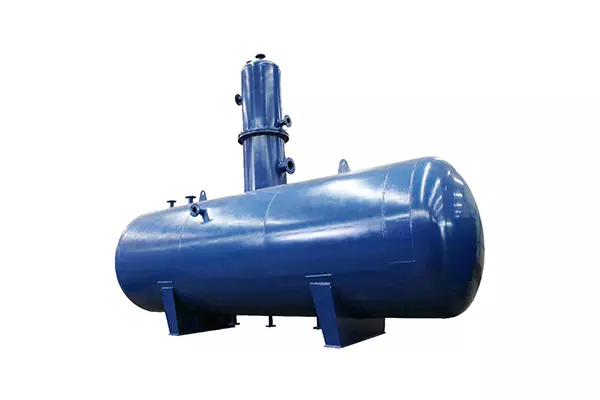
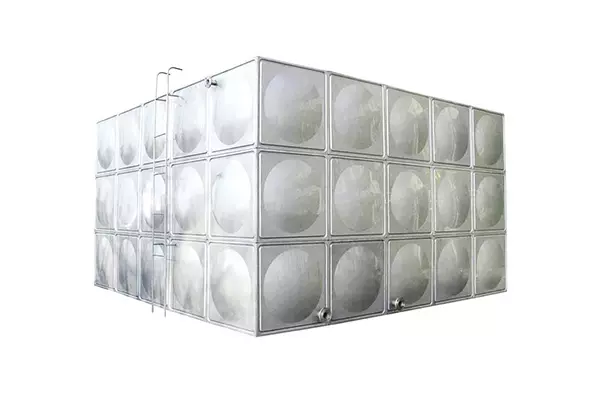
- тэжээлийн усны савнууд;
- деаэраторууд;
- конденсат буцаах төхөөрөмж;
- дээж авах төхөөрөмж;
- болон усны чанарын хяналтын хэрэгсэл.
Бойлер бүр энэ жагсаалтад орсон бүх зүйлийг шаарддаггүй.
Эцсийн тохиргоо нь усны бодит шинжилгээг дагаж мөрдөх ёстой, үйл ажиллагааны нөхцөл ба бойлер үйлдвэрлэгчийн шаардлага.
Бойлерийн даралт нь тэжээлийн усны хэрэгцээнд нөлөөлдөг үү?
Тиймээ.
Бойлерийн ажлын даралт нь шаардлагатай ус цэвэршүүлэх, уурын цэвэршилтийн стратегийг тодорхойлох чухал хүчин зүйл юм.
Үйл ажиллагааны нөхцөл улам бүр нэмэгдэж байгаа тул, зарим хольцыг хянах нь улам бүр чухал болж магадгүй юм.
Тиймээс ус цэвэршүүлэх техникийн тодорхойлолт нь зөвхөн уурын зуухны уурын хүчин чадлыг заахын оронд зуухны ажлын даралт, уурын нөхцлийг тодорхойлох ёстой..
Та бойлер үйлдвэрлэгч рүү тэжээлийн усны ямар мэдээлэл илгээх ёстой вэ??
Эцсийн уурын зуух болон ус цэвэрлэх системийг сонгохоос өмнө, боломжтой бол сүүлийн үеийн усны шинжилгээг өгөх.
Хэрэгтэй мэдээллийг багтааж болно:
- усны эх үүсвэр;
- гэгүүэг;
- Р П;
- дамжуулалт эсвэл TDS;
- шүлтлэг байдал;
- цахиур;
- төмөр;
- холбогдох тохиолдолд хлорид;
- тэжээлийн усны температур;
- боломжтой конденсат өгөөж;
- мэдэгдэж байгаа бол конденсатын чанар;
- болон бусад орон нутгийн ач холбогдолтой бохирдуулагч.
Үйлдвэрлэгч нь шаардлагатай уурын хүчин чадлыг мэддэг байх ёстой, үйл ажиллагааны ажиллагааны даралт, уурын температур ба үйл ажиллагааны горим.
Эдгээр орцууд нь инженерийн багт үнэлгээ өгөх боломжийг олгодог үйлдвэрийн уурын зуух ба түүний ус цэвэршүүлэх шаардлагыг нэг систем болгон.
Аж үйлдвэрийн уурын зуух худалдан авах гарын авлага худалдан авагчдад тэжээлийн усны нөхцлийг хүчин чадалтай нь хамт тодорхойлоход тусална, даралт, түлш, автомажуулалт, эцсийн үнийн санал хүсэлт гаргахаас өмнө баталгаажуулалт болон туслах төхөөрөмжид тавигдах шаардлага.
Уурын зуухны тэжээлийн усны чанарын тухай түгээмэл асуултууд
Бойлерийн тэжээлийн усны хамгийн чухал шаардлага юу вэ?
Бойлерийн сайн тэжээлийн усыг тодорхойлох ганц параметр байдаггүй. Хатуу байдал, Р П, ууссан хүчилтөрөгч, дамжуулалт эсвэл TDS, цахиур болон бусад бохирдуулагчийг уурын зуухны даралтын дагуу хянах шаардлагатай, зураг төсөл, ус цэвэршүүлэх хөтөлбөр.
Цэвэрлэгдээгүй цоргоны усыг уурын зууханд шууд ашиглаж болно?
Үүнийг тохиромжтой гэж үзэж болохгүй. Эхлээд усыг шинжилж, бойлерийн үйлдвэрлэгчийн шаардлагад харьцуулах хэрэгтэй. Цэвэршүүлэх шаардлага нь усны химийн найрлага, бойлерийн ашиглалтын нөхцлөөс хамаарна.
Бойлерийн тэжээлийн ус хэтэрхий хатуу байвал яах вэ?
Хяналтгүй хатуулаг нь дулаан дамжуулагч гадаргуу дээр царцдас үүсэхэд нөлөөлдөг, дулаан дамжуулалтыг бууруулж, ашиглалтын болон засвар үйлчилгээний асуудал үүсгэдэг.
Бойлерийн тэжээлийн усны системд зэврэлт үүсэх шалтгаан юу вэ?
Зэврэлтэнд ууссан хүчилтөрөгч нөлөөлж болно, тохиромжгүй рН, нүүрстөрөгчийн давхар исэл, бохирдуулагч бодис болон бусад ус-химийн болон ашиглалтын нөхцөл. Эмчилгээний хөтөлбөрийг тохируулахын өмнө шалтгааныг тогтоох шаардлагатай.
Бойлерийн тэжээлийн ус нь хатуулаггүй байх ёстой?
Уурын зуух бүрийн хатуулгийн бүх нийтийн тоон хязгаарыг тооцох ёсгүй. Зөвшөөрөгдөх хязгаар нь уурын зуухны тодорхой даралт, дизайны хувьд үйлдвэрлэгч болон ус цэвэрлэх техникийн үзүүлэлтүүдийг дагаж мөрдөх ёстой.
Бойлерийн тэжээлийн усны зөв TDS гэж юу вэ?
Бойлер бүрт бүх нийтийн TDS утга байхгүй. Хүлээн зөвшөөрөгдсөн тэжээлийн болон бойлерийн усны агууламж нь даралтаас хамаарна, эмчилгээний арга, нүүр будалтын ус, конденсатын өгөөж ба үйлдвэрлэгчийн химийн хязгаарлалт.
Аж үйлдвэрийн уурын зууханд хангалттай зөөлрүүлсэн ус уу?
Заримдаа, гэхдээ үргэлж биш. Зөөлрүүлэх нь үндсэндээ хатуулагтай холбоотой. Бусад төслүүд нь ууссан хатуу бодисын хяналтыг шаардаж болно, цахиур, ууссан хий болон бусад бохирдуулагчийг нэмэлт боловсруулалтаар.
Өндөр даралттай уур нь илүү сайн усны чанарыг шаарддаг уу??
Илүү өндөр даралттай, илүү эрэлт хэрэгцээтэй уурын систем нь ерөнхийдөө усны химийн болон уурын цэвэр байдлыг сайтар хянах шаардлагатай байдаг.. Тодорхой хязгаарлалтыг зөвхөн даралтын ерөнхий дүрмээс илүүтэй холбогдох уурын зуух болон боловсруулалтын шаардлагын дагуу тодорхойлох ёстой..
Бойлерийн тэжээлийн усыг хэр олон удаа турших ёстой?
Туршилтын давтамжийг бойлерийн оператор тогтооно, үйлдвэрийн үйл ажиллагааны нөхцөлийн дагуу үйлдвэрлэгч болон ус цэвэршүүлэх мэргэжилтэн, эмчилгээний хөтөлбөр ба чухал үзүүлэлтүүд. Зарим параметрүүдийг тогтмол эсвэл тасралтгүй хянах шаардлагатай байж болно.
Бойлер худалдаж авахаасаа өмнө тэжээлийн усны чанарыг тодорхойлох шаардлагатай?
Тиймээ. Тэжээлийн усны температур ба усны шинжилгээ нь ус цэвэрлэх төхөөрөмжид нөлөөлж болно, тэсрэх стратеги, дулаан сэргээх, ашиглалтын зардал ба бойлерийн тохиргоо. RFQ үе шатанд энэ мэдээллийг өгөх нь үйлдвэрлэгч илүү бүрэн уурын системийг тодорхойлоход тусалдаг.




Вiew Манай үйлчлүүлэгчийн сэтгэгдэл
"Би үйлдвэртээ Fangkuai уурын зуух худалдаж авсан бөгөөд энэ нь хэдэн сарын турш өөгүй ажиллаж байна.. Материалын чанар, бойлерийн барилгын ажил нь гайхалтай. Энэ нь бас эрчим хүчний хэмнэлттэй, Энэ нь бидэнд эрчим хүчний төлбөрөө хэмнэхэд тусалсан. Би Fangkuai-ийн бүтээгдэхүүнийг найдвартай, үр ашигтай халаалтын шийдэл хэрэгтэй хүн бүрт зөвлөж байна."
Жон
АНУ"Fangkuai-ийн уурын зуух нь миний хоол боловсруулах бизнест төгс тохирно. Энэ нь бидний бүх шаардлагыг хангасан бөгөөд маш найдвартай. Материалын чанар, бойлерийн барилга нь онцгой юм. Мөн ажиллуулах, засвар үйлчилгээ хийхэд маш хялбар байдаг, Энэ нь засвар үйлчилгээ хийхэд цаг хугацаа, мөнгөө хэмнэхэд бидэнд тусалсан. Би Fangkuai-ийн уурын зуухыг найдвартай халаалтын шийдэл хэрэгтэй хүн бүрт зөвлөж байна."
Жсон
Бразил"Fangkuai-ийн халуун усны бойлер гайхалтай юм. Энэ нь хурдан бөгөөд үр дүнтэй халдаг, мөн ус нь удаан хугацаанд халуун хэвээр байна. Бидэнд хэзээ ч асуудал гарч байгаагүй бөгөөд энэ нь бидний өдөр тутмын үйл ажиллагаанд мэдэгдэхүйц ахиц дэвшил авчирсан. Суулгах үйл явц нь маш жигд байсан бөгөөд хэрэглэгчийн үйлчилгээ маш сайн байсан. Би Fangkuai-ийн халуун усны бойлеруудыг санал болгож байна."
Сара
Канад"Fangkuai-ийн уурын генераторууд маш сайн. Тэдгээрийг ашиглахад маш хялбар бөгөөд хамгийн бага засвар үйлчилгээ шаарддаг. Fangkuai дахь харилцагчийн үйлчилгээ нь бас онцгой юм. Тэд маш их хариу үйлдэл үзүүлдэг бөгөөд үргэлж туслахад бэлэн байдаг. Уурын генераторуудын эрчим хүчний үр ашиг нь бас гайхалтай юм, Энэ нь надад эрчим хүчний төлбөрөө хэмнэхэд тусалсан. Би Fangkuai-ийн уурын генераторуудыг маш их санал болгож байна."
Мария
Испани"Fangkuai-ийн дулааны тосны бойлерыг ажиллуулах, засвар үйлчилгээ хийхэд маш хялбар байдаг. Энэ нь засвар үйлчилгээ хийхэд цаг хугацаа, мөнгөө хэмнэхэд бидэнд тусалсан, Энэ нь зардлыг ихээхэн хэмнэхэд хүргэсэн. Материалын чанар, бойлерийн барилга нь онцгой юм. Энэ нь бас эрчим хүчний хэмнэлттэй, Энэ нь бидэнд эрчим хүчний төлбөрөө хэмнэхэд тусалсан. Би Fangkuai-ийн дулааны тосны бойлерыг санал болгож байна ."
Аллен
Бразил"Fangkuai дахь харилцагчийн үйлчилгээ нь дээд зэргийн чанартай. Тэд миний хэрэгцээнд тохирсон бойлерыг сонгоход тусалсан бөгөөд үйл явцын туршид маш их дэмжлэг үзүүлсэн. Суурилуулалтын процесс нь маш жигд байсан бөгөөд бойлер миний хүлээлтээс давсан. Үүнийг ашиглах, засвар үйлчилгээ хийхэд маш хялбар байдаг, мөн эрчим хүчний хэмнэлт нь гайхалтай юм. Би Fangkuai-ийн бүтээгдэхүүнийг найдвартай, үр ашигтай халаалтын шийдэл хэрэгтэй хүн бүрт зөвлөж байна."
Хуан
Мексик"Fangkuai-ийн уурын зуух нь миний хоол боловсруулах бизнест төгс тохирно. Энэ нь бидний бүх шаардлагыг хангасан бөгөөд маш найдвартай. Материалын чанар, бойлерийн барилга нь онцгой юм. Мөн ажиллуулах, засвар үйлчилгээ хийхэд маш хялбар байдаг, Энэ нь засвар үйлчилгээ хийхэд цаг хугацаа, мөнгөө хэмнэхэд бидэнд тусалсан. Би Fangkuai-ийн уурын зуухыг найдвартай халаалтын шийдэл хэрэгтэй хүн бүрт зөвлөж байна."
Жсон
Бразил"Fangkuai-ийн туслах тоног төхөөрөмж миний бойлерийн системийг илүү сайн болгосон. Тоног төхөөрөмжийн чанар онцгой бөгөөд үнэ нь маш боломжийн. Тоног төхөөрөмж нь миний бойлерийн системийн үр ашиг, ажиллагааг сайжруулахад тусалсан, Энэ нь зардлыг ихээхэн хэмнэхэд хүргэсэн. Би Fangkuai-ийн туслах тоног төхөөрөмжийг өндөр чанартай бойлерийн дагалдах хэрэгсэл хэрэгтэй хүн бүрт зөвлөж байна."
Мэрик
Их Британи"Fangkuai-ийн уурын генератор нь миний жижиг бизнест тохиромжтой. Энэ нь хэрэглэхэд маш хялбар бөгөөд хамгийн бага засвар үйлчилгээ шаарддаг. Энэ нь бас эрчим хүчний хэмнэлттэй, Энэ нь надад эрчим хүчний төлбөрөө хэмнэхэд тусалсан. Fangkuai дахь үйлчлүүлэгчийн үйлчилгээ ч маш сайн. Тэд маш их хариу үйлдэл үзүүлдэг бөгөөд үргэлж туслахад бэлэн байдаг. Би Fangkuai-ийн уурын генераторуудыг маш их санал болгож байна."
Ахмед
Египет