
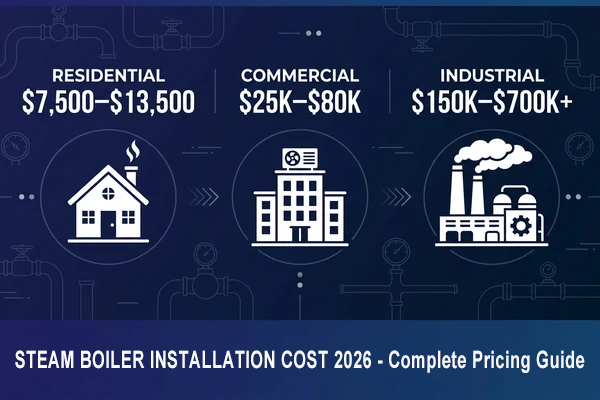
Costo de instalación por segmento de un vistazo
| Segmento | Costo del equipo | Costo laboral | Rango total de instalación |
|---|---|---|---|
| Residencial (≤ 200 MBH) | $3,000 - $9,000 | $2,500 - $5,000 | $7,500 - $13,500 |
| Comercial ligero (150–300 hp) | $15,000 - $50,000 | $8,000 - $20,000 | $25,000 - $80,000 |
| Industrial (500–2.000 CV) | $80,000 - $400,000 | $40,000 - $120,000 | $150,000 - $700,000 |
| Grandes industriales (2,000+ HP) | $200,000 - $800,000 | $100,000 - $300,000 | $700,000 - $1,500,000+ |
Sección 1: Costo de instalación de calderas de vapor por segmento
1.1 Costo de instalación de calderas de vapor residenciales
Sistemas de vapor residenciales, aunque menos común que el hidrónico (agua caliente) bucles, Sigue siendo un elemento básico en casas históricas en todo el noreste y medio oeste de EE. UU.. El costo total típico de instalación oscila entre $7,500 y $13,500, equipo de cobertura, mano de obra local, y tuberías esenciales cercanas a la caldera.
- Nivel de presupuesto ($7,500 - $9,500): Se aplica a reemplazos directos y similares donde los cabezales de suministro y retorno existentes están en perfectas condiciones., y sin materiales peligrosos (amianto) están presentes.
- Nivel de rango medio ($9,500 - $11,500): Implica la remediación parcial de las tuberías cercanas a la caldera., instalando actualizado, rutas de ventilación que cumplen con el código, y tarifas estándar de permisos residenciales.
- Nivel de gama alta ($11,500 - $13,500): Requerido cuando el reemplazo completo del sistema de tuberías cercano a la caldera no es negociable. Esto frecuentemente incluye la eliminación del amianto y el complejo de navegación., vías de ventilación de varios pisos.
El factor decisivo en los costos de los proyectos residenciales es la calidad de la tubería cerca de la caldera. Porque el vapor se expande rápidamente, tamaños de tubería incorrectos, soltar encabezados, o las malas elecciones de tono pueden causar un golpe de ariete severo, ciclos cortos sistémicos, y fallo prematuro de la caldera.
¿Cuánto cuesta reemplazar una caldera de vapor residencial??
En 2026, El costo promedio nacional para reemplazar una caldera de vapor residencial es $10,500. Este objetivo de referencia incluye una unidad de caldera de vapor de baja presión y eficiencia media estándar., Eliminación mecánica completa del antiguo recipiente., permisos de cumplimiento del código estándar, y actualizaciones esenciales de la tubería del cabezal inmediatamente cercana a la caldera para garantizar el suministro de vapor seco..
1.2 Costo de instalación comercial ligera
Operaciones comerciales ligeras, incluidos complejos de apartamentos multifamiliares., escuelas primarias, y sitios de fabricación boutique, dependen de calderas que van desde 150 a 300 Caballos de fuerza de la caldera (HP). Los costos totales de instalación fluctúan de $25,000 a $80,000.
- Asignación de equipos: $15,000 a $50,000 para el conjunto desnudo de caldera y quemador.
- Mano de obra de instalación: $8,000 a $20,000 para aparejo, colocación, y conexiones de tuberías.
- Permisos & Cumplimiento: $1,500 a $6,000 dependiendo de los códigos municipales ambientales y de seguridad locales.
- Preparación del sitio: $3,000 a $12,000 para ajustes de líneas de combustible y modificaciones estructurales menores.
1.3 Costo de instalación de calderas de vapor industriales
Costo Total Instalado Industrial (TIC) exige un compromiso de capital masivo, generalmente huyendo de $150,000 a más de $1,500,000+.
- Sistemas de tamaño mediano (500–2.000 CV): Los costos promedio del proyecto aterrizan sin problemas entre $300,000 y $700,000.
- Grande, Sistemas de alta presión: Instalaciones complejas que exigen altas presiones severas (>150 PSIG) junto con configuraciones auxiliares integrales escalan desde $700,000 a $1,500,000+.
Los subcostos industriales clave incluyen ensamblaje mecánico especializado y tuberías estructurales. ($20,000–$30.000), integración eléctrica multitensión ($15,000- $ 25,000), aislamiento térmico ($4,000–$6.000), y rigurosos protocolos de puesta en servicio ($5,000–$10,000).
Estudio de caso: 10-Proyecto de caldera de vapor tonelada/hora (Instalación de procesamiento de alimentos)
- Equipo primario: $180,000
- Sistemas auxiliares (Quemador, Economizador, Agua de alimentación): $65,000
- Instalación Mecánica & Tubería de campo: $85,000
- Cumplimiento, Inspecciones & Puesta en servicio: $32,000
- TIC finales totales: $362,000
Sección 2: Desglose completo de los costos de instalación, línea por línea
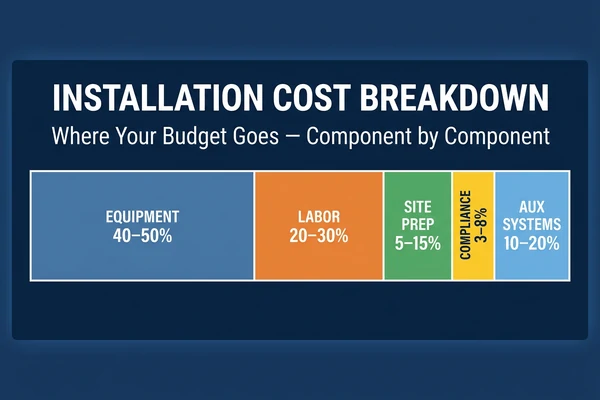
Para evitar desviaciones presupuestarias inesperadas, Los gerentes de proyecto deben realizar un seguimiento de las ocho categorías de costos distintas que constituyen un proyecto de instalación completa de una caldera de vapor..
2.1 Costo del equipo (40% - 50% de las TIC)
Esto representa el precio de compra de hardware de los principales sistemas mecánicos.:
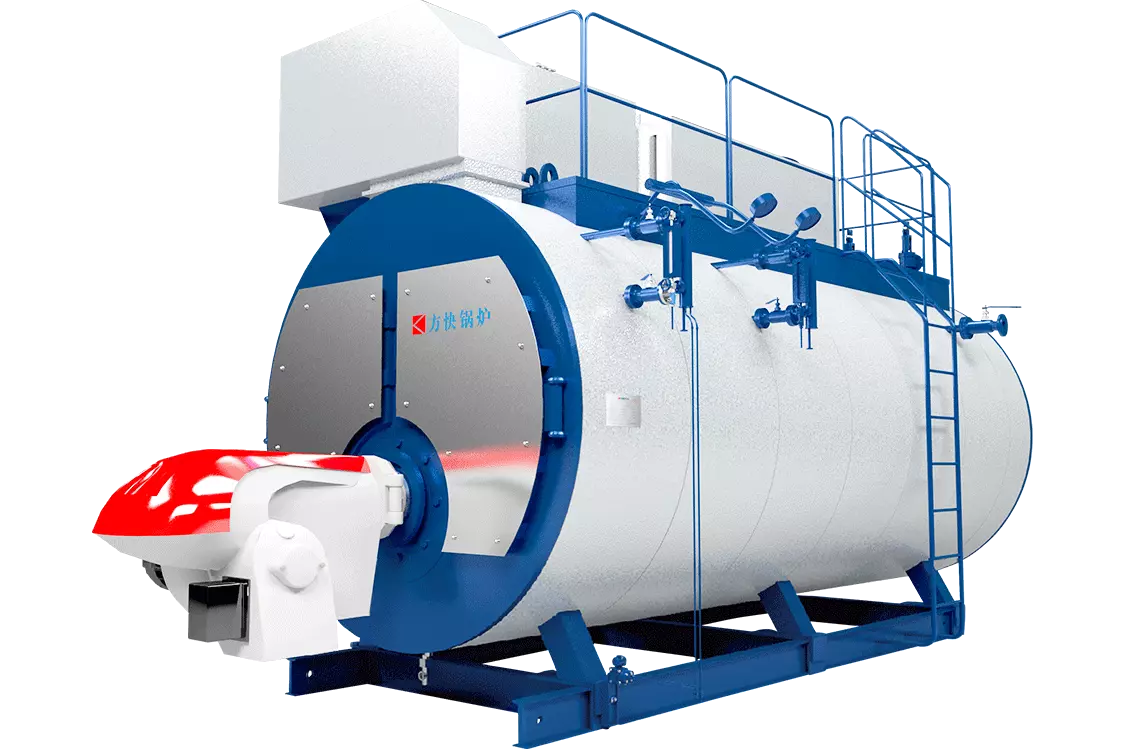
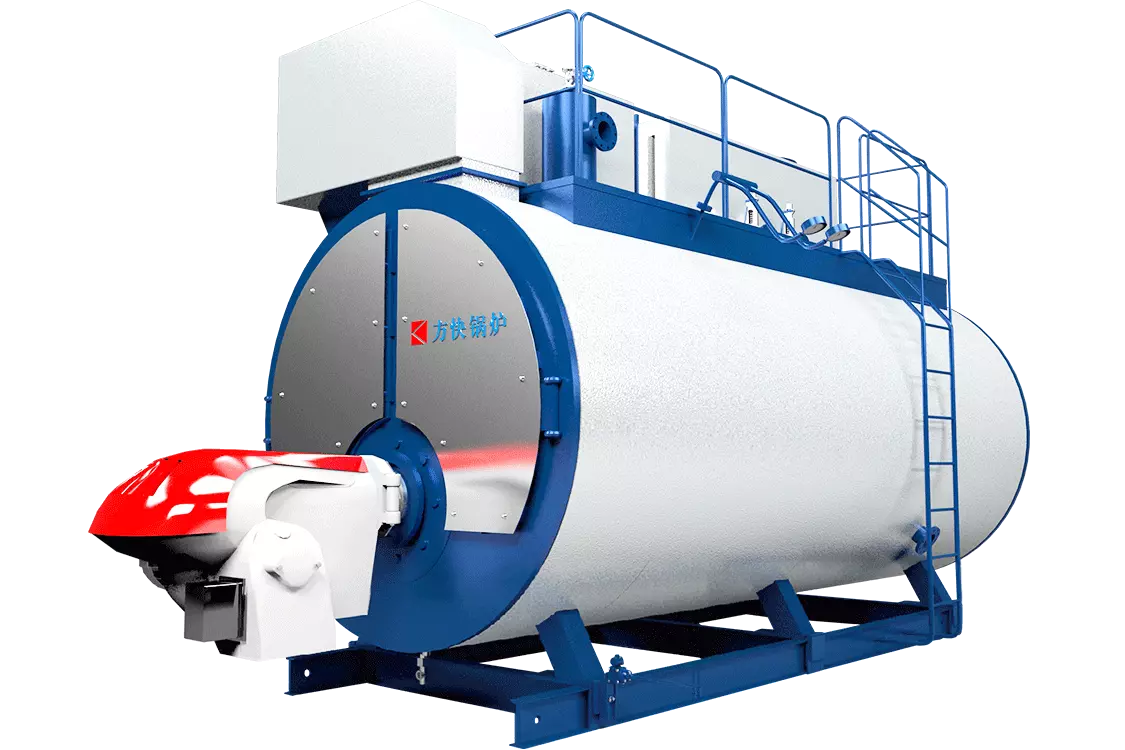
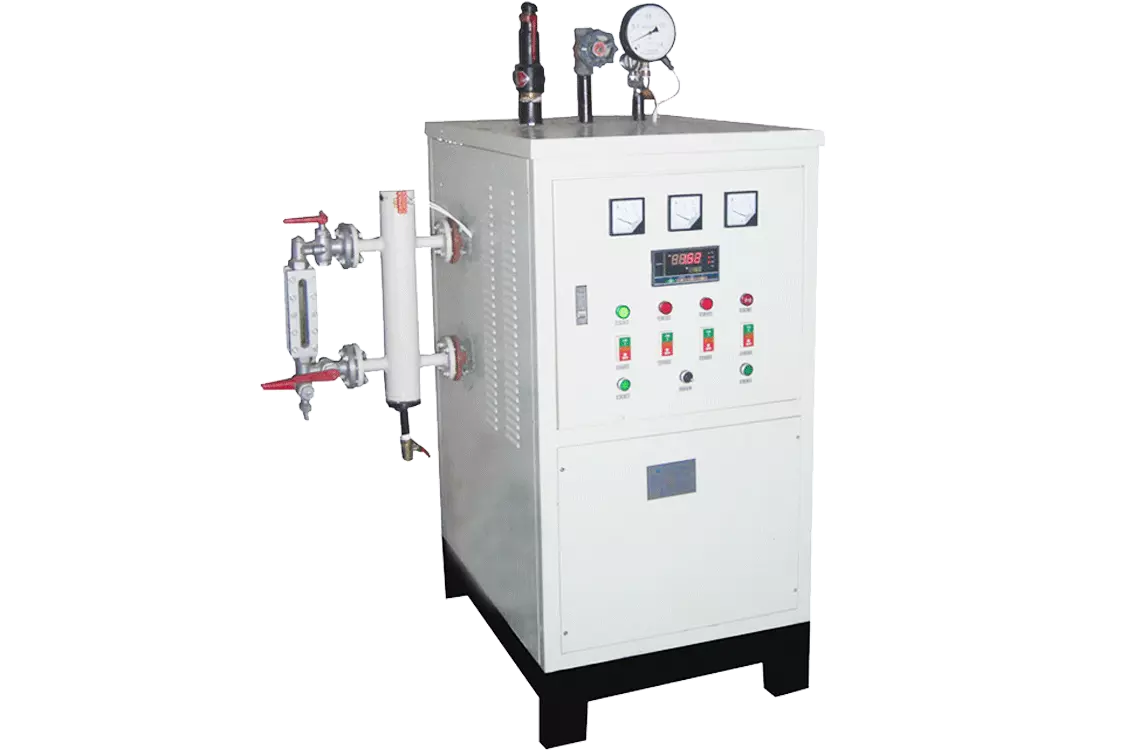
- El recipiente a presión primario (tubo de fuego, tubo de agua, o de alta capacidad caldera electrica).
- El conjunto del quemador (frecuentemente se obtiene por separado de la carcasa de la caldera para cumplir con los criterios exactos de bajas emisiones de NOx).
- Un integrado economizador o unidad de recuperación de calor, que reduce el gasto de combustible a largo plazo en 5% a 15% mediante recuperación del calor de los gases de combustión.
- Infraestructura de agua de alimentación: el tanque desaireador, bombas de alimentación multietapa de alta presión, y sistema de retorno de condensado.
- El panel de control maestro, utilizando automatización PLC avanzada o un sistema de gestión de edificios integrado (BMS) interfaces.
- [Enlace interno: Vea nuestro Precio de la caldera de vapor industrial Comparación de precios de equipos por capacidad exacta de HP.]
2.2 Costo laboral (20% - 30% de las TIC)
El trabajo de campo involucra a comerciantes altamente calificados que trabajan bajo tolerancias mecánicas precisas.:
- Montaje Mecánico & Aparejo: $15,000 a $45,000 sobre huellas industriales.
- Fabricación de tuberías cercanas a la caldera: $8,000 a $30,000 para soldadura y roscado de acero al carbono de gran espesor.
- Aislamiento Térmico: $4,000 a $6,000 para aislar las principales tuberías de vapor y el cuerpo principal de la caldera.
- Cableado eléctrico & Instrumentación: $10,000 a $25,000 para enrutamiento de energía de campo.
- Programación de controles: $5,000 a $15,000 para pruebas de secuencia y ajuste de bucle.
- Puntos de referencia laborales: Los mecánicos estándar de HVAC/caldera cuestan entre $65 y $120 por hora, mientras que los jornaleros sindicalizados en jurisdicciones complejas promedian entre $ 95 y $ 160 por hora.
2.3 Preparación del sitio (5% - 15% de las TIC)
Antes de que llegue el nuevo equipo, el espacio físico debe cumplir estrictas pautas espaciales y civiles:
- Refuerzo estructural: $5,000 a $25,000 para plataformas de hormigón capaces de soportar un alto peso operativo.
- Extensión de Línea de Gas Natural: $1,200 a $8,000 para suministrar el volumen y la presión adecuados.
- Actualizaciones de infraestructura eléctrica: $3,000 a $12,000 (como implementar alimentación trifásica de 480V).
- Modificaciones de plomería: $2,000 a $8,000 para líneas de suministro de agua y drenaje de purga de alta temperatura.
- Chimenea de escape & Instalación de pila: $3,000 a $15,000 para un diseño de recámara adecuado.
- Reducción del amianto: $1,500 a $8,000 en sótanos de instalaciones residenciales o industriales más antiguas.
2.4 Permisos y Cumplimiento (3% - 8% de las TIC)
Descuidar la supervisión regulatoria detendrá las operaciones y correrá el riesgo de violaciones importantes del código.:
- edificio local & Permisos Mecánicos: $150 a $3,000, escalado por la capacidad total de BTU.
- ASME Sección I “S” Verificación de sello: $1,200 a $5,000 para la validación del inspector autorizado.
- Pruebas de emisiones de chimenea de la EPA: $650 a $3,500 para verificar el cumplimiento estricto de las métricas locales de calidad del aire.
- NFPA 85 Revisión de cumplimiento: $2,000 a $8,000 para seguridad de quemadores industriales y protección contra llamas.
- Certificado de inspección estatal: $300 a $1,500 para el registro operativo obligatorio inicial.
¿Qué permisos se requieren para la instalación de calderas de vapor??
- Permiso local mecánico/de construcción: Otorga autoridad municipal para alterar espacios estructurales y de servicios públicos..
- Informe de datos del fabricante ASME: Certifica la integridad estructural y de soldadura del recipiente a presión..
- Permiso de funcionamiento de calidad del aire/EPA: Obligatorio para los quemadores de combustibles fósiles de alto insumo para garantizar que se mantengan los límites de emisiones..
- Junta Nacional/Registro Estatal: Ingresa el recipiente a presión en la base de datos de inspección de seguridad obligatoria del estado..
2.5 Sistemas auxiliares (10% - 20% de las TIC)
Una caldera no puede funcionar eficazmente de forma aislada; requiere una red sólida de equipos de apoyo:
- Receptores de condensado: $3,000 a $12,000 para una recogida eficiente del agua.
- Patines de dosificación de productos químicos: $1,500 a $6,000 para evitar incrustaciones internas y picaduras impulsadas por oxígeno.
- Válvulas de alivio de seguridad & Reguladores: $800 a $3,000.
- Medición del flujo de vapor: $2,000 a $8,000 para el seguimiento en tiempo real de la eficiencia térmica.
- Buques de purga: $3,000 a $10,000 para enfriar de forma segura el agua descargada antes de descargarla.
2.6 Pruebas, Puesta en servicio & Puesta en marcha (2% - 5% de las TIC)
- Pruebas hidrostáticas: Verifica la contención de tuberías sin fugas a presiones elevadas (normalmente cubierto por los costos de inspección inicial).
- Ajuste del quemador & Análisis de combustión: $800 a $3,500 para optimizar las relaciones combustible-aire.
- Verificación del bucle de controles: $2,000 a $5,000 para probar todos los enclavamientos de seguridad automáticos.
- Protocolos de capacitación del operador: $1,500 a $4,000 para la incorporación del personal de operaciones liderada por OEM.
- Pruebas de aceptación de desempeño: $2,000 a $6,000 para confirmar las métricas de producción de vapor de la placa de identificación.
2.7 Transporte y aparejo (1% - 3% de las TIC)
- Transporte Pesado Industrial: $3,000 a $15,000 dependiendo de las regulaciones de distancia y carga ancha.
- Equipos de grúas y aparejos especializados: $2,000 a $10,000 para maniobras estructurales complejas.
- Fabricación de patines modulares personalizados: $5,000 a $20,000 para preenvasado, colocación en el campo sin cita previa.
2.8 Contingencia del Proyecto (10% Recomendado)
un piso 10% línea de contingencia siempre se debe mantener. Los factores comunes de gastos no mapeados incluyen líneas de condensado del subsuelo corroídas., Red de gas municipal de dimensiones insuficientes., y degradación oculta del hormigón estructural.
Sección 3: Factores clave que determinan el costo de instalación
3.1 Capacidad de la caldera y presión nominal
A medida que aumenta la capacidad, la escala requerida de componentes auxiliares e infraestructura de tuberías crece proporcionalmente. Sistemas de vapor de alta presión diseñados para funcionar por encima 15 PSIG debe cumplir estrictamente con Código ASME para calderas y recipientes a presión (Sección I). Esta prueba rigurosa, soldadura, y el paradigma de certificación añade una inmediata 15% a 25% de primera calidad en comparación con soluciones de baja presión.
Regla general: Presupuesto 1.5 × a 2.0 × el costo del equipo para la instalación si la presión excede 15 PSIG.
3.2 Impacto del tipo de combustible en el costo de instalación
| Tipo de combustible | Instalar prima | Impulsor de costos clave |
|---|---|---|
| Gas natural | Base | Extensión de línea de gas + regulador. Ruta de instalación más rentable. |
| Propano | +5% - 10% | Ubicación exclusiva en un patio de tanques externo ($1,500–$4.000) + controles de modulación de presión. |
| Aceite de calefacción / #2 | +8% - 15% | Tanques de almacenamiento de doble contención + bombas de aceite dedicadas y circuitos de contención ambiental. |
| Biomasa / Combustible sólido | +25% - 50% | Silos de almacenamiento automatizados, alimentaciones transportadoras mecánicas complejas, y sistemas de manejo de cenizas. |
| Eléctrico | -10% - 15% | Sin gases de combustión, ventilación cero, y huella estructural simplificada, pero presenta altos costos de servicios públicos continuos. |
3.3 Nueva instalación vs.. Retroadaptación versus. Reemplazo
- Nueva construcción (campo verde): Altos costos de inicialización, como todo trabajo estructural de soporte, principales circuitos de distribución, y los puntos de servicios públicos deben construirse desde cero.
- Retroadaptación (Sala de calderas existente): 20% a 40% más rentable que las configuraciones totalmente nuevas, aprovechando las redes de distribución preexistentes, puntos de ventilación, y estructuras fundacionales.
- Reemplazo comparable: La vía de gasto de capital más baja, normalmente corriendo 30% a 50% de una instalación nueva, siempre que los colectores y elementos de tuberías circundantes permanezcan estructuralmente sólidos.
3.4 Ubicación y mercado laboral local
La dinámica laboral puede alterar drásticamente las proyecciones financieras. Proyectos dotados de cuadrillas mecánicas sindicalizadas en entornos metropolitanos. (p.ej., el noreste de EE. UU. o California) incurrir en un $20 a $40 prima por hora sobre rural, regiones de tiendas abiertas. Además, El cumplimiento de regulaciones ambientales localizadas, como los estándares de NOx ultrabajos de California o la Ley Local 97 de Nueva York, agrega importantes costos de ingeniería y supervisión del cumplimiento..
Sección 4: Cronograma de instalación de la caldera de vapor de 6 fases
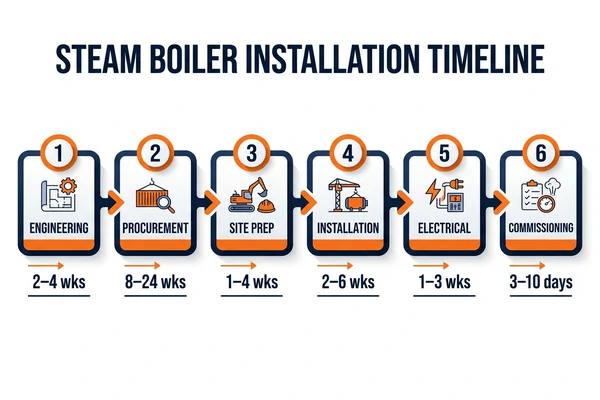
Un cronograma del proyecto bien planificado limita el tiempo de inactividad operativa y ayuda a coordinar tareas comerciales secuenciales..
- Fase 1: Encuesta del sitio & Ingeniería (2–4 Semanas)
Verificación de carga mecánica, PAG&redacción de documentos de identidad, dimensionamiento final del recipiente, e ingenieria espacial. Asignación estimada: $3,000 - $12,000. - Fase 2: Obtención & Plazo de entrega de fábrica (8–24 Semanas)
La ventana central donde se construye y prueba el recipiente a presión.. Mientras que los reemplazos residenciales estándar requieren sólo de 2 a 4 semanas, el equipo industrial requiere habitualmente de 12 a 24 semanas. Esto marca el primer hito en el pago de capital.. - Fase 3: Obras Civiles & Preparación del sitio (1–4 Semanas)
Vertido de plataformas de hormigón de alta resistencia., actualización de la red eléctrica entrante, e instalar estructuras pesadas de cierre. Asignación estimada: $5,000 - $25,000. - Fase 4: Montaje Mecánico & Aparejo (2–6 semanas)
Colocación del vaso primario, soldar cabezales de vapor principales cerca de la caldera, y completar conexiones del sistema auxiliar. Esto representa la ventana de gasto laboral pico.. - Fase 5: Eléctrico & Integración de controles (1–3 Semanas)
Enrutamiento de energía de campo, cableado de instrumentos, Configuración del enlace BMS, e implementar interbloqueos de seguridad contra llamas. Asignación estimada: $10,000 - $25,000. - Fase 6: Puesta en servicio, Pruebas & Entregar (3–10 días)
Realización de la prueba hidrostática oficial., ejecutando análisis de combustión, realizar capacitación en seguridad del personal, y asegurar las aprobaciones finales de los inspectores. Asignación estimada: $3,000 - $12,000.
Sección 5: Cómo minimizar el costo de instalación de la caldera de vapor
5.1 Escriba un alcance de trabajo definitivamente documentado
No se acerque a proveedores mecánicos con parámetros vagos. Indique explícitamente su HP operativo requerido, configuraciones de combustible, Presión de trabajo máxima permitida (MAWP), techos de emisiones, y sellos ASME requeridos. Definir si los cabezales se reutilizarán o se fabricarán completamente de nuevo garantiza Equilibrio de ofertas de manzanas con manzanas y elimina las órdenes de cambio a mitad del proyecto.
5.2 Ejecute la regla de las tres ofertas
Adquirir un mínimo de tres ofertas detalladas: uno de un equipo de campo autorizado por OEM, uno de un especialista regional independiente establecido, y uno de una importante empresa contratista mecánica. Exija un seguimiento de los costos línea por línea en lugar de cotizaciones globales agregadas. Cualquier oferta que aterrice 20% debajo de la mediana debe ser examinado, ya que normalmente omite los permisos necesarios, puesta en marcha, o detalles de tuberías.
5.3 Aprovechar el momento estratégico de las adquisiciones
Planificar la adquisición de equipos para el cuarto trimestre (Octubre-diciembre). Los fabricantes de calderas industriales ofrecen con frecuencia promociones de volumen de fin de año., reduciendo los costos de equipo mediante 8% a 15%. Fundamentalmente, Evite esperar por una falla inesperada del sistema.; Las instalaciones de emergencia conllevan tarifas de mano de obra superiores y tarifas de flete aceleradas que pueden aumentar los costos en 20% a 35%.
5.4 Instalación combinada con un acuerdo de mantenimiento preventivo
Negociar un contrato de mantenimiento preventivo de 3 años durante la fase de instalación inicial puede asegurar una solución inmediata. $2,000 a $6,000 reducción en tarifas de servicio en curso. Este enfoque garantiza el envío prioritario al campo y preserva su garantía estructural extendida OEM..
5.5 Maximice el potencial de reutilización de componentes
Si la tubería existente cerca de la caldera está bajo 10 años, configurado correctamente, y libre de escala interna, mantenerlo puede salvar $4,000 a $15,000 en costos de fabricación. Similarmente, Las chimeneas de escape existentes se pueden conservar si la producción de BTU de su nueva caldera está dentro de los límites 20% de los parámetros del equipo anterior.
Sección 6: Costos ocultos que los compradores pasan por alto con frecuencia
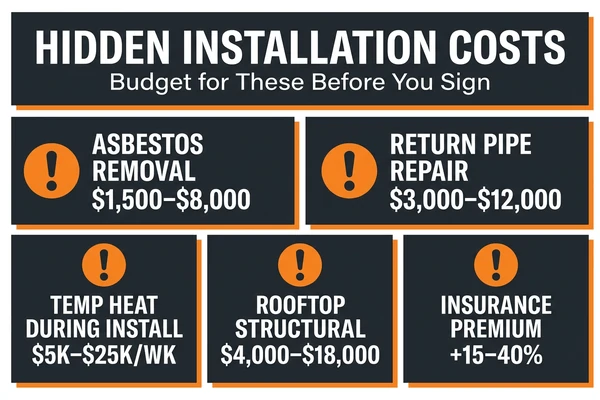
6.1 Reducción del amianto
Salas de calderas construidas antes de 1980 a menudo cuentan con aislamiento de asbesto de alta densidad alrededor de líneas antiguas. Las leyes estatales y federales exigen una contención completa y una remoción certificada antes de que comience cualquier trabajo de reemplazo., agregando $1,500 a $8,000 al presupuesto del proyecto.
6.2 Remediación de tuberías de retorno
Corroído, escamoso, o las líneas de retorno de condensado mal colocadas son el principal problema oculto en las redes de vapor más antiguas.. Corregir los problemas de diseño estructural en el futuro puede costar entre $3,000 y $12,000, pero no abordarlos provocará un rendimiento de calefacción deficiente y una vida útil más corta del equipo..
6.3 Vapor temporal / Redundancia de producción
Para hospitales, procesadores de alimentos, y operaciones químicas, pausar la producción durante un reemplazo no es una opción. Costos de alquiler de un sistema de vapor temporal montado en un remolque $5,000 a $25,000 por semana. Planificar su instalación para que coincida con las paradas anuales de la planta puede minimizar o eliminar este gasto..
6.4 Ingeniería Estructural Especializada
Colocar equipos en espacios reducidos requiere una ingeniería cuidadosa. Las ubicaciones en tejados necesitan una revisión estructural certificada y acceso a grúas, costear $4,000 a $18,000. Las instalaciones de sótanos estrechos que requieren montaje estructural a través de aberturas de cimientos pueden agregar $3,000 a $10,000.
6.5 Impacto de la prima del seguro a largo plazo
No cumplir con estándares de seguridad como NFPA 85 o NFPA 99 puede conducir a un 15% a 40% aumentar en primas de seguros de instalaciones. Garantizar que su instalación cumpla totalmente con las normas desde el primer día protege sus instalaciones y mantiene los costos del seguro predecibles.
Sección 7: Preguntas frecuentes: preguntas frecuentes
Q1: ¿Cuánto cuesta la instalación de una caldera de vapor en 2026?
Los costos de instalación de calderas de vapor varían desde $7,500 a $13,500 para sistemas residenciales, mientras que los sistemas industriales van desde $150,000 en exceso $700,000+. El promedio nacional de reposición residencial se sitúa en $10,500, incluido el equipo, mano de obra, actualizaciones de tuberías cercanas a la caldera, y permisos estándar.
Q2: ¿Qué está incluido en el costo de instalación de la caldera de vapor??
Una instalación completa incluye el equipo principal. (carcasa de caldera y quemador), fabricación de tuberías cercanas a la caldera, mano de obra especializada, preparación del sitio (desfogue, utilidades), permisos reglamentarios, configuraciones auxiliares (agua de alimentación, condensar), y puesta en marcha final. Citas que solo enumeran “equipo + mano de obra” a menudo extraño 30% a 50% del costo real del proyecto.
Q3: ¿Cuánto tiempo lleva la instalación de una caldera de vapor??
Las instalaciones residenciales toman 2 a 5 días si se reutilizan las tuberías, y 1 a 2 semanas para una revisión completa del encabezado. Los proyectos industriales requieren 3 a 8 meses total, impulsado por los tiempos de entrega del equipo de 8 a 24 semanas. Para minimizar el tiempo de inactividad, Ordene su equipo antes de comenzar la preparación del sitio..
Q4: ¿Necesito un permiso para instalar una caldera de vapor??
Sí, Se requiere un permiso mecánico en casi todas las jurisdicciones., costear $150 a $3,000 basado en la capacidad de BTU. Los sistemas industriales también requieren inspecciones ASME, Pruebas de pila de la EPA, y registro estatal de calderas. Operar sin estos permisos puede anular las pólizas de seguro de propiedad.
Q5: ¿Cómo puedo reducir el costo de instalación de la caldera de vapor??
Puede reducir costos reutilizando las tuberías existentes cercanas a la caldera si están en buenas condiciones., ordenar equipos en el cuarto trimestre para asegurar descuentos por volumen de fábrica, y obtener tres ofertas detalladas para evitar que el alcance se desvíe. Además, La programación del trabajo durante las paradas planificadas de la planta evita la necesidad de alquiler temporal de calderas..
Q6: ¿Cuál es la parte más cara de instalar una caldera de vapor??
Para proyectos residenciales, Reelaborar las tuberías cercanas a la caldera suele ser el mayor coste inesperado. ($3,000- $ 15,000). Para proyectos industriales, la adquisición de equipos es la partida individual más grande (40% a 50% de las TIC), seguido de trabajo mecánico (20% a 30% de las TIC).
Conclusión & Próximos pasos
La gestión de la instalación de una caldera de vapor requiere equilibrar varias partidas interconectadas en lugar de realizar un seguimiento de un único gasto fijo.. el mas exitoso, Los proyectos dentro del presupuesto son aquellos que representan las ocho categorías de costos mucho antes de que se firme la primera cotización..
Para mantener su proyecto en marcha, Defina claramente su alcance operativo., asegurar tres ofertas detalladas, mantener un 10% contingencia financiera, y elija un contratista basándose en credenciales y referencias verificadas.
Ya sea que esté reemplazando una unidad obsoleta o configurando una nueva instalación, Invertir en la caldera de vapor adecuada puede proporcionar beneficios a largo plazo. Si no está seguro de qué sistema es adecuado para sus necesidades, Es mejor consultar a un ingeniero de calefacción calificado o un experto en calderas, WhatsApp +86 132-1322-2805.


VVer opiniones de nuestro cliente
"El generador de vapor de Fangkuai es perfecto para mi pequeña empresa. Es muy fácil de usar y requiere un mantenimiento mínimo.. También es muy eficiente energéticamente., que me ha ayudado a ahorrar dinero en mis facturas de energía. El servicio al cliente en Fangkuai también es excelente.. Son muy receptivos y siempre dispuestos a ayudar.. Recomiendo encarecidamente los generadores de vapor de Fangkuai."
ahmed
Egipto"La caldera de vapor de Fangkuai es perfecta para mi negocio de procesamiento de alimentos. Cumple con todos nuestros requisitos y es muy fiable.. La calidad de los materiales y la construcción de la caldera son excepcionales. También es muy fácil de operar y mantener., lo que nos ha ayudado a ahorrar tiempo y dinero en mantenimiento. Recomiendo encarecidamente las calderas de vapor de Fangkuai a cualquiera que necesite soluciones de calefacción fiables."
json
Brasil"Los generadores de vapor de Fangkuai son excelentes. Son muy fáciles de usar y requieren un mantenimiento mínimo.. El servicio al cliente en Fangkuai también es excepcional.. Son muy receptivos y siempre dispuestos a ayudar.. La eficiencia energética de los generadores de vapor también es destacable, que me ha ayudado a ahorrar dinero en mis facturas de energía. Recomiendo encarecidamente los generadores de vapor de Fangkuai."
María
España"El generador de vapor de Fangkuai es perfecto para mi pequeña empresa. Es muy fácil de usar y requiere un mantenimiento mínimo.. También es muy eficiente energéticamente., que me ha ayudado a ahorrar dinero en mis facturas de energía. El servicio al cliente en Fangkuai también es excelente.. Son muy receptivos y siempre dispuestos a ayudar.. Recomiendo encarecidamente los generadores de vapor de Fangkuai."
ahmed
Egipto"La caldera de agua caliente de Fangkuai es increíble. Se calienta de forma rápida y eficiente., y el agua se mantiene caliente por mucho tiempo. Nunca hemos tenido ningún problema con él y ha mejorado significativamente nuestras operaciones diarias.. El proceso de instalación también fue muy sencillo y el servicio al cliente fue excelente.. Recomiendo encarecidamente las calderas de agua caliente de Fangkuai."
Sara
Canada"La caldera de aceite térmico de Fangkuai es muy fácil de operar y mantener. Nos ha ayudado a ahorrar tiempo y dinero en mantenimiento., lo que ha supuesto un importante ahorro de costes. La calidad de los materiales y la construcción de la caldera son excepcionales. También es muy eficiente energéticamente., lo que nos ha ayudado a ahorrar dinero en nuestras facturas de energía. Recomiendo encarecidamente la caldera de aceite térmico de Fangkuai. ."
allen
Brasil"La caldera de aceite térmico de Fangkuai es muy fácil de operar y mantener. Nos ha ayudado a ahorrar tiempo y dinero en mantenimiento., lo que ha supuesto un importante ahorro de costes. La calidad de los materiales y la construcción de la caldera son excepcionales. También es muy eficiente energéticamente., lo que nos ha ayudado a ahorrar dinero en nuestras facturas de energía. Recomiendo encarecidamente la caldera de aceite térmico de Fangkuai. ."
allen
Brasil"El equipo auxiliar de Fangkuai ha mejorado aún más mi sistema de caldera. La calidad del equipo es excepcional y los precios son muy razonables.. El equipo ha ayudado a mejorar la eficiencia y el rendimiento de mi sistema de caldera, lo que ha supuesto un importante ahorro de costes. Recomiendo encarecidamente el equipo auxiliar de Fangkuai a cualquier persona que necesite accesorios para calderas de alta calidad."
Maryk
Reino Unido"El generador de vapor de Fangkuai es perfecto para mi pequeña empresa. Es muy fácil de usar y requiere un mantenimiento mínimo.. También es muy eficiente energéticamente., que me ha ayudado a ahorrar dinero en mis facturas de energía. El servicio al cliente en Fangkuai también es excelente.. Son muy receptivos y siempre dispuestos a ayudar.. Recomiendo encarecidamente los generadores de vapor de Fangkuai."
ahmed
Egipto