¿Cuánto gas natural consume una caldera de vapor??
El consumo de gas natural de una caldera de vapor depende de la cantidad de calor útil que se requiere para producir el vapor especificado y de la eficiencia con la que la caldera convierte la energía del combustible en vapor..
No existe una cifra única y fiable de consumo de gas por cada tonelada., 5-caldera de 10 toneladas o 10 toneladas. Una estimación precisa requiere el flujo de vapor., presión y temperatura del vapor, temperatura del agua de alimentación, Eficiencia de la caldera y poder calorífico real del gas natural..
Respuesta rápida: ¿Cómo se calcula el consumo de gas natural de una caldera de vapor??
Una estimación práctica de ingeniería es:
Consumo de Gas Natural = Flujo de Vapor × (Entalpía del vapor − Entalpía del agua de alimentación) ÷ (Eficiencia de la caldera × Valor calorífico del gas)
Cuando se utilizan unidades consistentes:
Consumo de gas (Nm³/h) ≈ ṁ × (hₛ − hfw) ÷ (η × LHV)
Dónde:
- metro = producción de vapor, kg/hora
- hₛ = entalpía específica del vapor producido, kJ/kg
- hfw = entalpía específica del agua de alimentación, kJ/kg
- o = eficiencia de la caldera expresada en decimal
- LHV = menor poder calorífico del gas natural, kJ/Nm³
Si la eficiencia de la caldera se indica en base a HHV en lugar de LHV, El poder calorífico del combustible y la base de eficiencia deben mantenerse consistentes..
Este cálculo proporciona una estimación más útil que asumir que cada caldera de la misma capacidad nominal consume la misma cantidad de gas natural..
¿Qué determina el consumo de gas natural de una caldera de vapor??
Varias condiciones de funcionamiento afectan el consumo de combustible..
1. Producción de vapor
Una caldera que produce más vapor requiere más energía., suponiendo que las demás condiciones de funcionamiento permanezcan sin cambios.
Por lo tanto, el cálculo debe utilizar la carga de vapor real en lugar de basarse únicamente en la capacidad de la caldera indicada..
Una planta que opera un 10 Una caldera de t/h a carga parcial normalmente no tendrá la misma demanda de combustible por hora que la misma caldera funcionando continuamente a su potencia nominal..
2. Presión y temperatura del vapor
La presión y la temperatura del vapor determinan la condición termodinámica del vapor y, por lo tanto, afectan su entalpía específica..
El cálculo requerido debe distinguir entre vapor saturado y sobrecalentado..
Por esta razón, La capacidad de vapor por sí sola es insuficiente para una estimación precisa del consumo de combustible..
3. Temperatura del agua de alimentación
La caldera debe agregar energía al agua de alimentación antes de que se convierta en vapor..
El agua de alimentación más cálida generalmente requiere menos calor adicional para alcanzar la condición de vapor requerida que el agua de alimentación más fría., todas las demás condiciones son iguales.
Por lo tanto, el retorno de condensado puede influir tanto en el equilibrio hídrico como en la energía requerida por el sistema de vapor..
4. Eficiencia de la caldera
No toda la energía contenida en el gas natural se convierte en energía útil del vapor..
Eficiencia de la caldera de vapor industrial Puede verse afectado por las condiciones de combustión., carga de caldera, exceso de aire, temperatura de la pila, condición de transferencia de calor, equipos de purga y recuperación de calor.
Al comparar cálculos, Siempre confirme si la eficiencia se establece en base a LHV o HHV y si se incluye equipo como un economizador..
5. Valor calorífico del gas natural
El gas natural no tiene un poder calorífico universal en todos los mercados.
Su contenido energético puede variar según la composición del gas y las condiciones de suministro.. Estados Unidos. Administración de información de energía (EIA), Por ejemplo, publica información sobre el contenido de calor del gas natural y datos de conversión.
Para el cálculo de un proyecto, Utilice el valor calorífico especificado por el proveedor de gas local siempre que esté disponible en lugar de asumir un valor universal..
¿Cómo se calcula el consumo de gas de un 1 Caldera de vapor de toneladas?
Para una caldera que produce 1,000 kg/h de vapor, el cálculo se convierte:
Consumo de gas = 1,000 × (hₛ − hfw) ÷ (η × Poder calorífico del gas)
Aún necesita cuatro valores importantes antes de obtener un resultado significativo de consumo de gas.:
- presión de vapor requerida;
- temperatura del vapor o si el vapor está saturado;
- temperatura del agua de alimentación;
- Eficiencia de la caldera y valor calorífico del gas natural..
Por lo tanto, diciendo que cada 1 una caldera de vapor de una tonelada consume un número fijo de metros cúbicos de gas por hora puede ser engañoso a menos que se indiquen las condiciones de cálculo.
¿Puede la capacidad de la caldera por sí sola determinar el consumo de gas??
No.
La capacidad de la caldera le indica la capacidad nominal de producción de vapor., pero no define completamente la energía necesaria para producir ese vapor..
Por ejemplo, dos caldera de vapor a gas Los sistemas con la misma capacidad nominal de vapor pueden funcionar con diferentes:
- condiciones de vapor;
- temperaturas del agua de alimentación;
- tasas de retorno de condensado;
- eficiencias;
- perfiles de carga;
- configuraciones del economizador;
- y valores caloríficos del gas natural.
Estas diferencias pueden cambiar el consumo real de combustible..
¿Una mayor temperatura del agua de alimentación reduce el consumo de gas natural??
Todas las demás condiciones son iguales, Una mayor entalpía del agua de alimentación reduce el calor adicional que la caldera debe suministrar para alcanzar la condición de vapor requerida..
Esta es una de las razones por las que los equipos de retorno de condensado y recuperación de calor pueden ser importantes al evaluar un sistema de vapor completo..
Los ahorros reales de combustible aún deben calcularse utilizando las condiciones operativas del proyecto..
¿Una mayor presión de vapor significa un mayor consumo de gas??
La presión del vapor no debe evaluarse de forma independiente..
El aporte de calor requerido depende de la diferencia entre la entalpía del vapor final y la entalpía del agua de alimentación entrante.. Las condiciones de vapor saturado o sobrecalentado también importan.
Para una comparación precisa, Primero determine la condición de vapor requerida y luego use las propiedades termodinámicas apropiadas en el cálculo del consumo de combustible..
¿Por qué el consumo real de gas de la caldera difiere del cálculo??
Un cálculo simplificado del balance energético establece una estimación de ingeniería útil, pero el funcionamiento real puede diferir debido a:
- cambio de carga de vapor;
- modulación del quemador;
- ciclismo de inicio y parada;
- exceso de aire;
- incrustaciones o incrustaciones;
- purga;
- retorno de condensado;
- rendimiento de recuperación de calor;
- ajustes de funcionamiento;
- y condiciones de mantenimiento.
Esta es la razón por la que las estimaciones anuales del costo del combustible deben utilizar un perfil operativo realista en lugar de asumir que la caldera funciona a su máxima capacidad nominal cada hora..
A NOSOTROS. Los recursos de Sistemas de Vapor del Departamento de Energía también enfatizan la evaluación de la generación de vapor junto con la distribución., Oportunidades de recuperación y eficiencia a nivel del sistema..
¿Cómo calculo el consumo diario de gas natural??
Si la caldera funciona con una carga relativamente estable:
Consumo diario de gas ≈ Consumo promedio de gas por hora × Horas de funcionamiento por día
Para plantas con demanda de vapor muy variable, calcular el uso de combustible en diferentes períodos de carga o utilizar datos reales de flujo de combustible por hora.
Esto produce una estimación diaria o anual más realista que multiplicar la tasa máxima de encendido de la caldera por el total de horas de funcionamiento..
¿Qué información se necesita para calcular con precisión el consumo de gas de la caldera??
Antes de solicitar un cálculo del consumo de combustible a un fabricante de calderas, proporcionar:
- Capacidad de vapor en kg/h o t/h;
- mínimo, demanda de vapor normal y pico;
- presión de trabajo;
- temperatura del vapor;
- temperatura del agua de alimentación;
- condiciones de retorno de condensado;
- horas de funcionamiento;
- especificación del gas natural o poder calorífico;
- configuración requerida de la caldera;
- y lugar de instalación.
Estos parámetros permiten al proveedor calcular la demanda de combustible utilizando las condiciones reales del proyecto en lugar de proporcionar una cifra de consumo genérica..
Para proyectos que aún definen capacidad, presión, combustible y condiciones de funcionamiento, un Guía de compra de calderas de vapor industriales Puede ayudar a organizar la información requerida antes de la selección de la caldera..
Preguntas frecuentes
¿Cuánto gas natural consume una caldera de vapor por hora??
Depende de la salida de vapor, condiciones de vapor, temperatura del agua de alimentación, Eficiencia de la caldera y poder calorífico del gas natural.. Calcule el consumo horario a partir del calor útil necesario para la producción de vapor dividido por la eficiencia de la caldera y el valor calorífico del combustible..
¿Cuánta gasolina consume un 1 tonelada de consumo de caldera de vapor?
A 1 Una caldera de vapor de una tonelada produce un rendimiento nominal. 1,000 kg/h de vapor a su capacidad nominal, pero su consumo de gas natural no se puede determinar con precisión sólo a partir de la capacidad. Presión de vapor, temperatura, condiciones del agua de alimentación, También se requieren la eficiencia de la caldera y el poder calorífico del gas..
¿Cuál es la fórmula para el consumo de gas de la caldera de vapor??
Una fórmula simplificada es:
Consumo de gas = Flujo de vapor × (Entalpía del vapor − Entalpía del agua de alimentación) ÷ (Eficiencia de la caldera × Valor calorífico del gas)
Utilice unidades consistentes y asegúrese de que la base LHV o HHV utilizada para la eficiencia de la caldera coincida con la base del valor calorífico utilizada para el gas natural..
¿La eficiencia de la caldera afecta el consumo de gas natural??
Sí. Para las mismas necesidades de vapor útil y la misma base de poder calorífico del combustible, un cambio en la eficiencia de la caldera cambia la cantidad de energía de combustible requerida. Los valores de eficiencia siempre deben compararse bajo condiciones de operación y cálculo claramente definidas..
¿Puedo calcular el consumo anual de gas natural a partir de la capacidad de la caldera??
La capacidad de la caldera por sí sola es insuficiente. Una mejor estimación utiliza el perfil de carga de vapor real de la planta., horas de funcionamiento, condiciones de vapor, temperatura del agua de alimentación, Eficiencia de la caldera y poder calorífico del gas natural..
¿Qué debo enviar al fabricante para que me calcule el consumo de gas??
Proporcionar capacidad de vapor, carga mínima/normal/pico, presión de trabajo, temperatura del vapor, temperatura del agua de alimentación, horas de funcionamiento, Información sobre el retorno de condensado y el valor calorífico del gas natural disponible.. Estos datos permiten al fabricante calcular la demanda de combustible para las condiciones reales del proyecto..


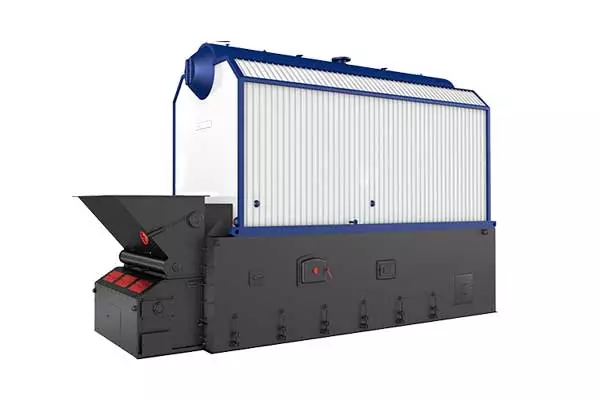
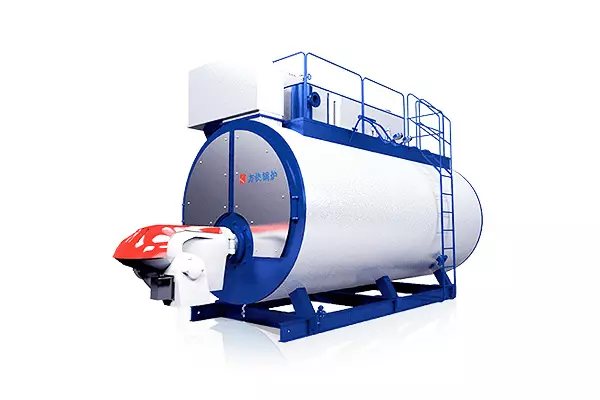
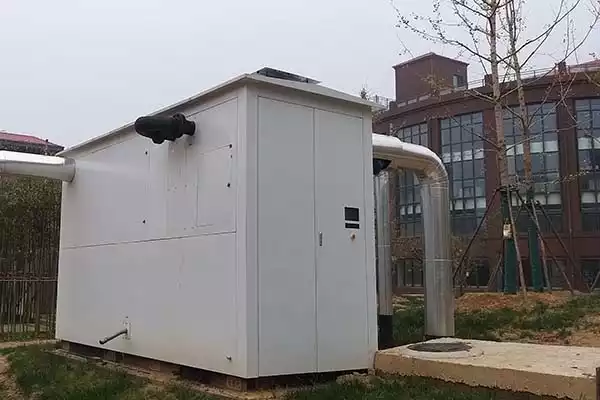



VVer opiniones de nuestro cliente
"Compré una caldera de vapor Fangkuai para mi fábrica y ha estado funcionando perfectamente durante meses.. La calidad de los materiales y la construcción de la caldera son impresionantes.. También es muy eficiente energéticamente., lo que nos ha ayudado a ahorrar dinero en nuestras facturas de energía. Recomiendo encarecidamente los productos de Fangkuai a cualquiera que necesite soluciones de calefacción fiables y eficientes."
John
EE.UU"La caldera de agua caliente de Fangkuai es increíble. Se calienta de forma rápida y eficiente., y el agua se mantiene caliente por mucho tiempo. Nunca hemos tenido ningún problema con él y ha mejorado significativamente nuestras operaciones diarias.. El proceso de instalación también fue muy sencillo y el servicio al cliente fue excelente.. Recomiendo encarecidamente las calderas de agua caliente de Fangkuai."
Sara
Canada"Los generadores de vapor de Fangkuai son excelentes. Son muy fáciles de usar y requieren un mantenimiento mínimo.. El servicio al cliente en Fangkuai también es excepcional.. Son muy receptivos y siempre dispuestos a ayudar.. La eficiencia energética de los generadores de vapor también es destacable, que me ha ayudado a ahorrar dinero en mis facturas de energía. Recomiendo encarecidamente los generadores de vapor de Fangkuai."
María
España"La caldera de vapor de Fangkuai es perfecta para mi negocio de procesamiento de alimentos. Cumple con todos nuestros requisitos y es muy fiable.. La calidad de los materiales y la construcción de la caldera son excepcionales. También es muy fácil de operar y mantener., lo que nos ha ayudado a ahorrar tiempo y dinero en mantenimiento. Recomiendo encarecidamente las calderas de vapor de Fangkuai a cualquiera que necesite soluciones de calefacción fiables."
json
Brasil"El generador de vapor de Fangkuai es perfecto para mi pequeña empresa. Es muy fácil de usar y requiere un mantenimiento mínimo.. También es muy eficiente energéticamente., que me ha ayudado a ahorrar dinero en mis facturas de energía. El servicio al cliente en Fangkuai también es excelente.. Son muy receptivos y siempre dispuestos a ayudar.. Recomiendo encarecidamente los generadores de vapor de Fangkuai."
ahmed
Egipto"La caldera de agua caliente de Fangkuai es increíble. Se calienta de forma rápida y eficiente., y el agua se mantiene caliente por mucho tiempo. Nunca hemos tenido ningún problema con él y ha mejorado significativamente nuestras operaciones diarias.. El proceso de instalación también fue muy sencillo y el servicio al cliente fue excelente.. Recomiendo encarecidamente las calderas de agua caliente de Fangkuai."
Sara
Canada"Llevamos años utilizando la caldera de aceite térmico Fangkuai para nuestra planta química y nunca nos ha defraudado.. La caldera es muy duradera y puede soportar condiciones adversas.. También es muy fácil de operar y mantener., lo que nos ha ayudado a ahorrar tiempo y dinero en mantenimiento. Las calderas de aceite térmico de Fangkuai son de primera y las recomiendo a cualquiera que necesite soluciones de calefacción confiables."
chang
Porcelana"La caldera de aceite térmico de Fangkuai es muy fácil de operar y mantener. Nos ha ayudado a ahorrar tiempo y dinero en mantenimiento., lo que ha supuesto un importante ahorro de costes. La calidad de los materiales y la construcción de la caldera son excepcionales. También es muy eficiente energéticamente., lo que nos ha ayudado a ahorrar dinero en nuestras facturas de energía. Recomiendo encarecidamente la caldera de aceite térmico de Fangkuai. ."
allen
Brasil"La caldera de agua caliente de Fangkuai es increíble. Se calienta de forma rápida y eficiente., y el agua se mantiene caliente por mucho tiempo. Nunca hemos tenido ningún problema con él y ha mejorado significativamente nuestras operaciones diarias.. El proceso de instalación también fue muy sencillo y el servicio al cliente fue excelente.. Recomiendo encarecidamente las calderas de agua caliente de Fangkuai."
Sara
Canada