Il consumo di gas naturale di una caldaia a vapore dipende dalla quantità di calore utile necessaria per produrre il vapore specificato e dall’efficienza con cui la caldaia converte l’energia del combustibile in vapore.
Non esiste un unico dato affidabile sul consumo di gas per ogni tonnellata, 5-caldaia da 10 o 10 tonnellate. Una stima accurata richiede il flusso di vapore, pressione e temperatura del vapore, temperatura dell'acqua di alimentazione, efficienza della caldaia e potere calorifico effettivo del gas naturale.
Una stima pratica di ingegneria è:
Consumo di gas naturale = flusso di vapore × (Entalpia del vapore − Entalpia dell'acqua di alimentazione) ÷ (Efficienza della caldaia x potere calorifico del gas)
Quando si utilizzano unità coerenti:
Consumo di gas (Nm³/h) ≈ṁ× (hₛ - hfw) ÷ (η × PCI)
Dove:
Se l'efficienza della caldaia è dichiarata su base HHV anziché su base LHV, il potere calorifico del combustibile e la base dell'efficienza devono essere mantenuti coerenti.
Questo calcolo fornisce una stima più utile rispetto all'ipotesi che ogni caldaia con la stessa capacità nominale consumi la stessa quantità di gas naturale.
Diverse condizioni operative influiscono sul consumo di carburante.
Una caldaia che produce più vapore richiede più energia, supponendo che le altre condizioni operative rimangano invariate.
Il calcolo dovrebbe pertanto utilizzare il carico di vapore effettivo anziché basarsi solo sulla capacità nominale della caldaia.
Un impianto che gestisce a 10 Una caldaia in t/h a carico parziale normalmente non avrà la stessa richiesta oraria di carburante della stessa caldaia che funziona continuamente alla sua potenza nominale.
La pressione e la temperatura del vapore determinano la condizione termodinamica del vapore e quindi influenzano la sua entalpia specifica.
Il calcolo richiesto dovrebbe distinguere tra vapore saturo e surriscaldato.
Per questo motivo, La sola capacità di vapore non è sufficiente per una stima accurata del consumo di carburante.
La caldaia deve aggiungere energia all'acqua di alimentazione prima che diventi vapore.
L'acqua di alimentazione più calda generalmente richiede meno calore aggiuntivo per raggiungere la condizione di vapore richiesta rispetto all'acqua di alimentazione più fredda, a parità di tutte le altre condizioni.
Il ritorno della condensa può quindi influenzare sia il bilancio idrico che l'energia richiesta dal sistema vapore.
Non tutta l'energia contenuta nel gas naturale diventa energia vapore utile.
Efficienza delle caldaie a vapore industriali può essere influenzato dalle condizioni di combustione, carico della caldaia, aria in eccesso, temperatura della pila, condizione di trasferimento del calore, apparecchiature di spurgo e recupero del calore.
Quando si confrontano i calcoli, confermare sempre se l'efficienza è dichiarata su base LHV o HHV e se sono incluse apparecchiature come un economizzatore.
Il gas naturale non ha un potere calorifico universale in ogni mercato.
Il suo contenuto energetico può variare in base alla composizione del gas e alle condizioni di fornitura. Gli Stati Uniti. Amministrazione delle informazioni energetiche (VIA), Per esempio, pubblica informazioni sul contenuto termico del gas naturale e dati di conversione.
Per un calcolo di progetto, utilizzare il potere calorifico specificato dal fornitore locale di gas, ove disponibile, anziché assumere un valore universale.
Per una caldaia che produce 1,000 kg/ora di vapore, il calcolo diventa:
Consumo di gas = 1,000 × (hₛ - hfw) ÷ (η × Potere calorifico del gas)
Sono ancora necessari quattro valori importanti prima di ottenere un risultato significativo sul consumo di gas:
Perciò, dicendo che ogni 1 Una tonnellata di caldaia a vapore consuma un numero fisso di metri cubi di gas all'ora può essere fuorviante a meno che non siano specificate le condizioni di calcolo.
NO.
La capacità della caldaia indica la capacità nominale di produzione di vapore, ma non definisce completamente l’energia necessaria per produrre quel vapore.
Per esempio, due caldaia a vapore alimentata a gas i sistemi con la stessa capacità nominale di vapore possono funzionare con valori diversi:
Queste differenze possono modificare il consumo effettivo di carburante.
A parità di tutte le altre condizioni, una maggiore entalpia dell'acqua di alimentazione riduce il calore aggiuntivo che la caldaia deve fornire per raggiungere la condizione di vapore richiesta.
Questo è uno dei motivi per cui le apparecchiature di ritorno della condensa e di recupero del calore possono essere importanti quando si valuta un sistema a vapore completo.
Il risparmio effettivo di carburante dovrebbe comunque essere calcolato utilizzando le condizioni operative del progetto.
La pressione del vapore non deve essere valutata in modo indipendente.
L'apporto termico richiesto dipende dalla differenza tra l'entalpia del vapore finale e l'entalpia dell'acqua di alimentazione in entrata. Anche le condizioni del vapore saturo o surriscaldato sono importanti.
Per un confronto accurato, determinare prima la condizione del vapore richiesta e quindi utilizzare le proprietà termodinamiche appropriate nel calcolo del consumo di carburante.
Un calcolo semplificato del bilancio energetico stabilisce un'utile stima ingegneristica, ma il funzionamento effettivo può differire a causa di:
Questo è il motivo per cui le stime annuali dei costi del carburante dovrebbero utilizzare un profilo operativo realistico anziché presupporre che la caldaia funzioni alla massima capacità nominale ogni ora..
NOI. Le risorse del Dipartimento per i sistemi energetici a vapore sottolineano anche la valutazione della generazione di vapore insieme alla distribuzione, opportunità di ripristino ed efficienza a livello di sistema.
Se la caldaia funziona con un carico relativamente stabile:
Consumo giornaliero di gas ≈ Consumo medio di gas orario × Ore di funzionamento giornaliere
Per impianti con richiesta di vapore fortemente variabile, calcolare il consumo di carburante in diversi periodi di carico o utilizzare i dati orari effettivi sul flusso di carburante.
Ciò produce una stima giornaliera o annuale più realistica rispetto alla moltiplicazione della velocità di accensione massima della caldaia per le ore di funzionamento totali.
Prima di richiedere il calcolo del consumo di combustibile al produttore di caldaie, fornire:
Questi parametri consentono al fornitore di calcolare la domanda di carburante utilizzando le condizioni effettive del progetto invece di fornire una cifra di consumo generica.
Per i progetti ancora in fase di definizione della capacità, pressione, carburante e condizioni operative, UN Guida all'acquisto di caldaie a vapore industriali può aiutare a organizzare le informazioni richieste prima della scelta della caldaia.
Dipende dalla produzione di vapore, condizioni di vapore, temperatura dell'acqua di alimentazione, efficienza della caldaia e potere calorifico del gas naturale. Calcolare il consumo orario dal calore utile necessario per la produzione di vapore diviso per l'efficienza della caldaia e il potere calorifico del combustibile.
UN 1 tonnellata di caldaia a vapore produce un valore nominale 1,000 kg/h di vapore alla capacità nominale, ma il suo consumo di gas naturale non può essere determinato con precisione solo dalla capacità. Pressione del vapore, temperatura, condizioni dell'acqua di alimentazione, sono inoltre richiesti l'efficienza della caldaia e il potere calorifico del gas.
Una formula semplificata è:
Consumo di gas = Flusso di vapore × (Entalpia del vapore − Entalpia dell'acqua di alimentazione) ÷ (Efficienza della caldaia x potere calorifico del gas)
Utilizzare unità coerenti e garantire che la base LHV o HHV utilizzata per l'efficienza della caldaia corrisponda alla base del potere calorifico utilizzata per il gas naturale.
SÌ. Per lo stesso fabbisogno di vapore utile e lo stesso potere calorifico del combustibile, un cambiamento nell'efficienza della caldaia cambia la quantità di energia del combustibile richiesta. I valori di efficienza dovrebbero sempre essere confrontati in condizioni operative e di calcolo chiaramente definite.
La sola capacità della caldaia non è sufficiente. Una stima migliore utilizza il profilo effettivo del carico di vapore dell’impianto, orari di funzionamento, condizioni di vapore, temperatura dell'acqua di alimentazione, efficienza della caldaia e potere calorifico del gas naturale.
Fornire capacità di vapore, carico minimo/normale/di picco, Pressione di lavoro, temperatura del vapore, temperatura dell'acqua di alimentazione, orari di funzionamento, ritorno della condensa e informazioni sul potere calorifico del gas naturale disponibile. Questi input consentono al produttore di calcolare la domanda di carburante per le condizioni effettive del progetto.
PREVENTIVI CALDAIE GRATUITI
Nessun ritardo, Ottenere 3 citazioni oggi Confronta per i migliori prezzi Sicuro e affidabileRECENSIONI
COSA C'È IN QUESTO ARTICOLO?
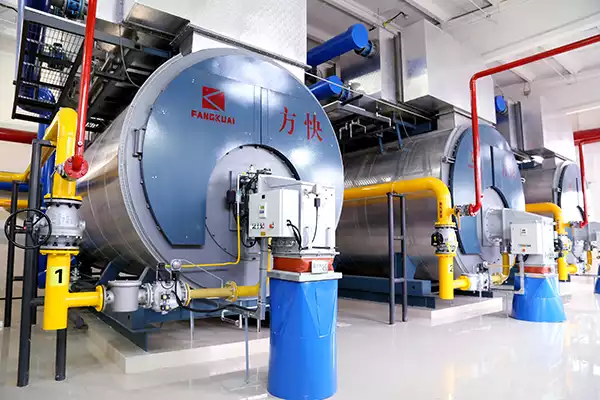
Caldaie ad acqua calda a gasolio:La guida definitiva
2023 Migliore caldaia combinata: Una guida definitiva
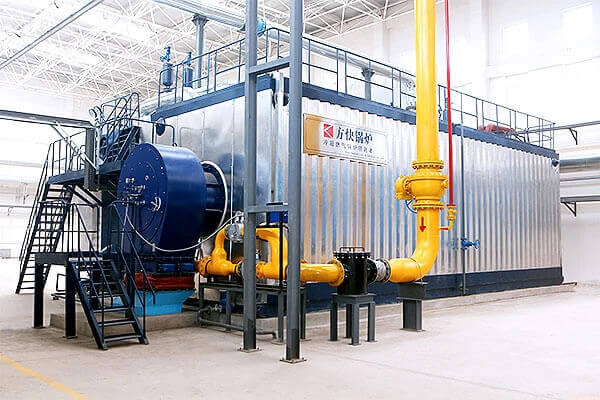
Caldaia a vapore del tubo di fuoco: Principio di funzionamento, Tipi, Advantages & Applications (2026 Guida)
Tendenze nell'approvvigionamento di caldaie industriali 2026: Efficienza, Emissions & Automation

Se ti piace Fang Kuai, per favore lascia il tuo messaggio.



vVisualizza le recensioni dei nostri clienti
"I generatori di vapore di Fangkuai sono eccellenti. Sono molto facili da usare e richiedono una manutenzione minima. Anche il servizio clienti di Fangkuai è eccezionale. Sono molto reattivi e sempre disposti ad aiutare. Notevole anche l'efficienza energetica dei generatori di vapore, che mi ha aiutato a risparmiare sulle mie bollette energetiche. Consiglio vivamente i generatori di vapore di Fangkuai."
Maria
Spagna"La caldaia per l'acqua calda di Fangkuai è fantastica. Si riscalda in modo rapido ed efficiente, e l'acqua rimane calda per molto tempo. Non abbiamo mai avuto problemi e ha apportato un miglioramento significativo alle nostre operazioni quotidiane. Anche il processo di installazione è stato molto fluido e il servizio clienti è stato eccellente. Consiglio vivamente le caldaie ad acqua calda di Fangkuai."
Sara
Canada"L'attrezzatura ausiliaria di Fangkuai ha reso il mio sistema di caldaie ancora migliore. La qualità dell'attrezzatura è eccezionale ei prezzi sono molto ragionevoli. L'apparecchiatura ha contribuito a migliorare l'efficienza e le prestazioni del mio sistema di caldaie, che ha portato a notevoli risparmi sui costi. Consiglio vivamente l'attrezzatura ausiliaria di Fangkuai a chiunque necessiti di accessori per caldaie di alta qualità."
Maryk
UK"La caldaia a vapore di Fangkuai è perfetta per la mia attività di trasformazione alimentare. Soddisfa tutti i nostri requisiti ed è molto affidabile. La qualità dei materiali e la costruzione della caldaia sono eccezionali. È anche molto facile da usare e mantenere, che ci ha aiutato a risparmiare tempo e denaro per la manutenzione. Consiglio vivamente le caldaie a vapore di Fangkuai a chiunque necessiti di soluzioni di riscaldamento affidabili."
Json
Brasile"Sono rimasto molto colpito dalla qualità della caldaia per l'acqua calda di Fangkuai. È costruito per durare e ha superato le mie aspettative. Anche il processo di installazione è stato molto fluido e il servizio clienti è stato eccellente. La caldaia per l'acqua calda è molto facile da usare e manutenere, e l'efficienza energetica è notevole. Consiglio vivamente le caldaie ad acqua calda di Fangkuai."
Jack
Australia"La caldaia per l'acqua calda di Fangkuai è fantastica. Si riscalda in modo rapido ed efficiente, e l'acqua rimane calda per molto tempo. Non abbiamo mai avuto problemi e ha apportato un miglioramento significativo alle nostre operazioni quotidiane. Anche il processo di installazione è stato molto fluido e il servizio clienti è stato eccellente. Consiglio vivamente le caldaie ad acqua calda di Fangkuai."
Sara
Canada"Utilizziamo da anni la caldaia ad olio diatermico Fangkuai per il nostro impianto chimico e non ci ha mai deluso. La caldaia è molto resistente e può resistere a condizioni difficili. È anche molto facile da usare e mantenere, che ci ha aiutato a risparmiare tempo e denaro per la manutenzione. Le caldaie ad olio diatermico Fangkuai sono di prim'ordine e le consiglio vivamente a chiunque necessiti di soluzioni di riscaldamento affidabili."
Chang
Cina"La caldaia ad olio diatermico di Fangkuai è molto facile da usare e manutenere. Ci ha aiutato a risparmiare tempo e denaro sulla manutenzione, che ha portato a notevoli risparmi sui costi. La qualità dei materiali e la costruzione della caldaia sono eccezionali. È anche molto efficiente dal punto di vista energetico, che ci ha aiutato a risparmiare sulle nostre bollette energetiche. Consiglio vivamente la caldaia a olio diatermico di Fangkuai ."
Allen
Brasile"Il servizio clienti di Fangkuai è di prim'ordine. Mi hanno aiutato a scegliere la caldaia perfetta per le mie esigenze e mi hanno fornito un grande supporto durante tutto il processo. Anche il processo di installazione è stato molto fluido e la caldaia ha superato le mie aspettative. È molto facile da usare e mantenere, e l'efficienza energetica è notevole. Consiglio vivamente i prodotti Fangkuai a chiunque necessiti di soluzioni di riscaldamento affidabili ed efficienti."
Giovanni
Messico