To choose the correct industrial steam pressure, start with the pressure and temperature required by the steam-consuming process, then evaluate pressure losses between the boiler or steam header and the point of use.
A practical selection sequence is:
Process Requirement → Required Steam Temperature → Equipment Pressure Requirement → Distribution Pressure Loss → Control/PRV Requirements → Boiler Operating Pressure → Boiler Design Pressure
The correct steam pressure is therefore not simply the highest pressure a boiler can produce.
It should be the pressure that allows the entire steam system to supply the required steam conditions reliably and safely under normal and peak operating loads.
The first question should be:
What pressure is required at the steam-consuming equipment?
Different industrial processes have different requirements.
Steam may be used for:
The required pressure should ideally come from the process design or the equipment manufacturer’s operating requirements.
Do not select a higher boiler pressure simply because it appears to provide more capacity or flexibility.
The pressure at the boiler outlet may be higher than the pressure available at the final steam-consuming equipment.
Pressure can be lost through the steam distribution system, Compreso:
Long distribution distances and high steam flow can also influence pressure loss.
Perciò:
Required Boiler/Header Pressure = Required Process Pressure + Calculated System Pressure Requirements
The additional pressure should be based on an engineering evaluation of the actual system rather than an arbitrary percentage or universal rule of thumb.
If a plant has multiple steam-consuming processes, identify the user with the most demanding combination of:
The boiler and main distribution system must be able to support critical loads during realistic operating conditions.
This is especially important when several production lines operate simultaneously.
For saturated steam, pressure and saturation temperature are directly related.
As saturated steam pressure increases, its saturation temperature also increases.
This means the required process temperature can be an important starting point when choosing steam pressure.
Tuttavia, do not select pressure by temperature alone.
The process designer should also evaluate:
If the process requires a particular heating temperature, the required steam condition should be determined before final boiler pressure is selected.
Always specify which pressure reference is being used.
Industrial boiler specifications commonly use gauge-pressure units such as:
Thermodynamic calculations and steam-property data may use absolute pressure.
Gauge pressure and absolute pressure are not the same.
Absolute Pressure = Gauge Pressure + Local Atmospheric Pressure
When using steam tables, engineering software or supplier datasheets, confirm whether the pressure value is gauge or absolute.
Confusing the two can lead to incorrect steam-temperature and thermodynamic calculations.
Often, the boiler or main steam header must operate above the required pressure at the final process because the distribution and control system introduces pressure losses.
But the exact difference should be calculated for the project.
Engineers should consider:
Do not simply add a fixed pressure margin to every project.
A plant may contain multiple steam-pressure levels.
Per esempio, one process may require a different steam condition from another.
Depending on the engineering design, the system may use:
The correct arrangement depends on actual steam demand and process requirements.
Generating steam at unnecessarily high pressure and reducing it everywhere is not automatically the most efficient solution.
The complete system should be evaluated rather than selecting boiler pressure in isolation.
NO.
Una pressione più alta non è automaticamente migliore.
Operating at a pressure higher than the process requires may influence:
Al contrario, pressure that is too low may prevent steam from reaching the process at the required condition during high-load periods.
The goal is therefore:
Not the highest pressure— but the appropriate pressure for the process and distribution system.
In some existing steam systems, reducing excessive operating pressure can reduce certain losses.
Tuttavia, pressure should not be lowered without evaluating the complete steam system.
Gli Stati Uniti. Department of Energy’s guidance on steam-pressure reduction recommends assessing factors such as:
Reducing pressure too far can negatively affect process performance and steam distribution.
Pressure optimization therefore requires engineering assessment rather than simply changing the boiler pressure setpoint.
Pressure is one factor in selecting an caldaia a vapore industriale, but boiler type should follow the complete process requirement.
Selection may also depend on:
Fire-tube and water-tube boilers have different construction and application characteristics, so boiler configuration should be evaluated after capacity and steam conditions are defined.
These terms should not be treated as interchangeable.
Pressione di esercizio refers to the pressure at which the boiler or steam system is intended to operate during normal service.
Pressione di progetto is an engineering parameter used in the design and rating of pressure-containing equipment.
The relationship between operating conditions, pressione di progetto, allowable pressure and overpressure protection must follow the applicable engineering code, equipment design and local regulatory requirements.
Do not select boiler design pressure by applying an arbitrary percentage to operating pressure.
Per progetti di esportazione, the applicable pressure-equipment code and destination-market requirements should be confirmed before manufacturing.
For accurate boiler selection, fornire:
Instead of requesting:
“Please quote a 10-bar boiler.”
fornire:
“This is the required process pressure, steam demand and operating condition. Please evaluate the appropriate boiler and steam-system pressure.”
That gives the engineering team a much better basis for selection.
How do I choose industrial steam pressure?
Start with the pressure and temperature required at the steam-consuming process. Then evaluate pressure losses through the piping, valves and control equipment between the boiler and the most demanding point of use.
Insomma:
Process Pressure → Distribution Losses → Control Requirements → Boiler Operating Pressure → Design/Code Verification
Do not choose industrial steam pressure solely from a generic pressure table or by selecting the highest available boiler rating.
The final pressure should be verified against the actual process, steam distribution system, boiler design and applicable safety requirements.
PREVENTIVI CALDAIE GRATUITI
Nessun ritardo, Ottenere 3 citazioni oggi Confronta per i migliori prezzi Sicuro e affidabileRECENSIONI
COSA C'È IN QUESTO ARTICOLO?
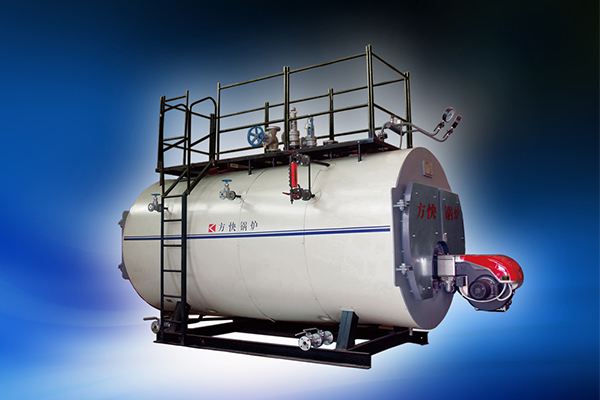
Costo della caldaia a vapore: IL 2025 Guida per i prezzi definitiva
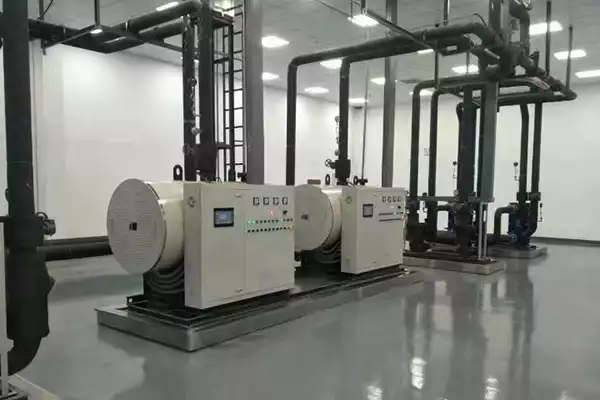
La migliore caldaia elettrica industriale in vendita: Una guida completa
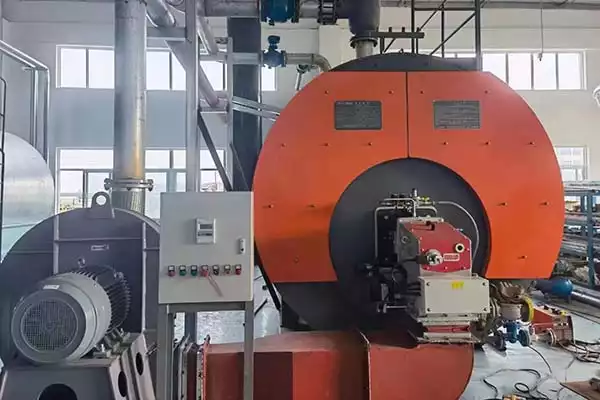
Caldaie a doppio combustibile: Soluzioni di riscaldamento efficienti e versatili
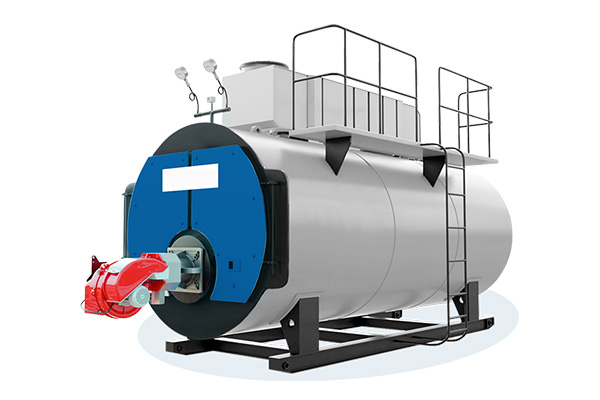
Le migliori caldaie a gasolio ad alta efficienza: Prezzi, Reviews & Buying Guide

Se ti piace Fang Kuai, per favore lascia il tuo messaggio.



vVisualizza le recensioni dei nostri clienti
"La caldaia per l'acqua calda di Fangkuai è fantastica. Si riscalda in modo rapido ed efficiente, e l'acqua rimane calda per molto tempo. Non abbiamo mai avuto problemi e ha apportato un miglioramento significativo alle nostre operazioni quotidiane. Anche il processo di installazione è stato molto fluido e il servizio clienti è stato eccellente. Consiglio vivamente le caldaie ad acqua calda di Fangkuai."
Sara
Canada"Ho acquistato una caldaia a vapore Fangkuai per la mia fabbrica e funziona perfettamente da mesi ormai. La qualità dei materiali e la costruzione della caldaia sono impressionanti. È anche molto efficiente dal punto di vista energetico, che ci ha aiutato a risparmiare sulle nostre bollette energetiche. Consiglio vivamente i prodotti Fangkuai a chiunque necessiti di soluzioni di riscaldamento affidabili ed efficienti."
John
Stati Uniti d'America"Utilizziamo da anni la caldaia ad olio diatermico Fangkuai per il nostro impianto chimico e non ci ha mai deluso. La caldaia è molto resistente e può resistere a condizioni difficili. È anche molto facile da usare e mantenere, che ci ha aiutato a risparmiare tempo e denaro per la manutenzione. Le caldaie ad olio diatermico Fangkuai sono di prim'ordine e le consiglio vivamente a chiunque necessiti di soluzioni di riscaldamento affidabili."
Chang
Cina"La caldaia a vapore di Fangkuai è perfetta per la mia attività di trasformazione alimentare. Soddisfa tutti i nostri requisiti ed è molto affidabile. La qualità dei materiali e la costruzione della caldaia sono eccezionali. È anche molto facile da usare e mantenere, che ci ha aiutato a risparmiare tempo e denaro per la manutenzione. Consiglio vivamente le caldaie a vapore di Fangkuai a chiunque necessiti di soluzioni di riscaldamento affidabili."
Json
Brasile"La caldaia ad olio diatermico di Fangkuai è molto facile da usare e manutenere. Ci ha aiutato a risparmiare tempo e denaro sulla manutenzione, che ha portato a notevoli risparmi sui costi. La qualità dei materiali e la costruzione della caldaia sono eccezionali. È anche molto efficiente dal punto di vista energetico, che ci ha aiutato a risparmiare sulle nostre bollette energetiche. Consiglio vivamente la caldaia a olio diatermico di Fangkuai ."
Allen
Brasile"Il servizio clienti di Fangkuai è di prim'ordine. Mi hanno aiutato a scegliere la caldaia perfetta per le mie esigenze e mi hanno fornito un grande supporto durante tutto il processo. Anche il processo di installazione è stato molto fluido e la caldaia ha superato le mie aspettative. È molto facile da usare e mantenere, e l'efficienza energetica è notevole. Consiglio vivamente i prodotti Fangkuai a chiunque necessiti di soluzioni di riscaldamento affidabili ed efficienti."
Giovanni
Messico"La caldaia a vapore di Fangkuai è perfetta per la mia attività di trasformazione alimentare. Soddisfa tutti i nostri requisiti ed è molto affidabile. La qualità dei materiali e la costruzione della caldaia sono eccezionali. È anche molto facile da usare e mantenere, che ci ha aiutato a risparmiare tempo e denaro per la manutenzione. Consiglio vivamente le caldaie a vapore di Fangkuai a chiunque necessiti di soluzioni di riscaldamento affidabili."
Json
Brasile"La caldaia per l'acqua calda di Fangkuai è fantastica. Si riscalda in modo rapido ed efficiente, e l'acqua rimane calda per molto tempo. Non abbiamo mai avuto problemi e ha apportato un miglioramento significativo alle nostre operazioni quotidiane. Anche il processo di installazione è stato molto fluido e il servizio clienti è stato eccellente. Consiglio vivamente le caldaie ad acqua calda di Fangkuai."
Sara
Canada"La caldaia ad olio diatermico di Fangkuai è molto facile da usare e manutenere. Ci ha aiutato a risparmiare tempo e denaro sulla manutenzione, che ha portato a notevoli risparmi sui costi. La qualità dei materiali e la costruzione della caldaia sono eccezionali. È anche molto efficiente dal punto di vista energetico, che ci ha aiutato a risparmiare sulle nostre bollette energetiche. Consiglio vivamente la caldaia a olio diatermico di Fangkuai ."
Allen
Brasile