
To choose the correct industrial steam pressure, start with the pressure and temperature required by the steam-consuming process, then evaluate pressure losses between the boiler or steam header and the point of use.
A practical selection sequence is:
Process Requirement → Required Steam Temperature → Equipment Pressure Requirement → Distribution Pressure Loss → Control/PRV Requirements → Boiler Operating Pressure → Boiler Design Pressure
The correct steam pressure is therefore not simply the highest pressure a boiler can produce.
It should be the pressure that allows the entire steam system to supply the required steam conditions reliably and safely under normal and peak operating loads.
The first question should be:
What pressure is required at the steam-consuming equipment?
Different industrial processes have different requirements.
Steam may be used for:
The required pressure should ideally come from the process design or the equipment manufacturer’s operating requirements.
Do not select a higher boiler pressure simply because it appears to provide more capacity or flexibility.
The pressure at the boiler outlet may be higher than the pressure available at the final steam-consuming equipment.
Pressure can be lost through the steam distribution system, 包括:
Long distribution distances and high steam flow can also influence pressure loss.
所以:
Required Boiler/Header Pressure = Required Process Pressure + Calculated System Pressure Requirements
The additional pressure should be based on an engineering evaluation of the actual system rather than an arbitrary percentage or universal rule of thumb.
If a plant has multiple steam-consuming processes, identify the user with the most demanding combination of:
The boiler and main distribution system must be able to support critical loads during realistic operating conditions.
This is especially important when several production lines operate simultaneously.
For saturated steam, pressure and saturation temperature are directly related.
As saturated steam pressure increases, its saturation temperature also increases.
This means the required process temperature can be an important starting point when choosing steam pressure.
然而, do not select pressure by temperature alone.
The process designer should also evaluate:
If the process requires a particular heating temperature, the required steam condition should be determined before final boiler pressure is selected.
Always specify which pressure reference is being used.
Industrial boiler specifications commonly use gauge-pressure units such as:
Thermodynamic calculations and steam-property data may use absolute pressure.
Gauge pressure and absolute pressure are not the same.
Absolute Pressure = Gauge Pressure + Local Atmospheric Pressure
When using steam tables, engineering software or supplier datasheets, confirm whether the pressure value is gauge or absolute.
Confusing the two can lead to incorrect steam-temperature and thermodynamic calculations.
Often, the boiler or main steam header must operate above the required pressure at the final process because the distribution and control system introduces pressure losses.
But the exact difference should be calculated for the project.
Engineers should consider:
Do not simply add a fixed pressure margin to every project.
A plant may contain multiple steam-pressure levels.
例如, one process may require a different steam condition from another.
Depending on the engineering design, the system may use:
The correct arrangement depends on actual steam demand and process requirements.
Generating steam at unnecessarily high pressure and reducing it everywhere is not automatically the most efficient solution.
The complete system should be evaluated rather than selecting boiler pressure in isolation.
不.
压力越高并不一定越好.
Operating at a pressure higher than the process requires may influence:
反过来, pressure that is too low may prevent steam from reaching the process at the required condition during high-load periods.
The goal is therefore:
Not the highest pressure— but the appropriate pressure for the process and distribution system.
In some existing steam systems, reducing excessive operating pressure can reduce certain losses.
然而, pressure should not be lowered without evaluating the complete steam system.
美国. Department of Energy’s guidance on steam-pressure reduction recommends assessing factors such as:
Reducing pressure too far can negatively affect process performance and steam distribution.
Pressure optimization therefore requires engineering assessment rather than simply changing the boiler pressure setpoint.
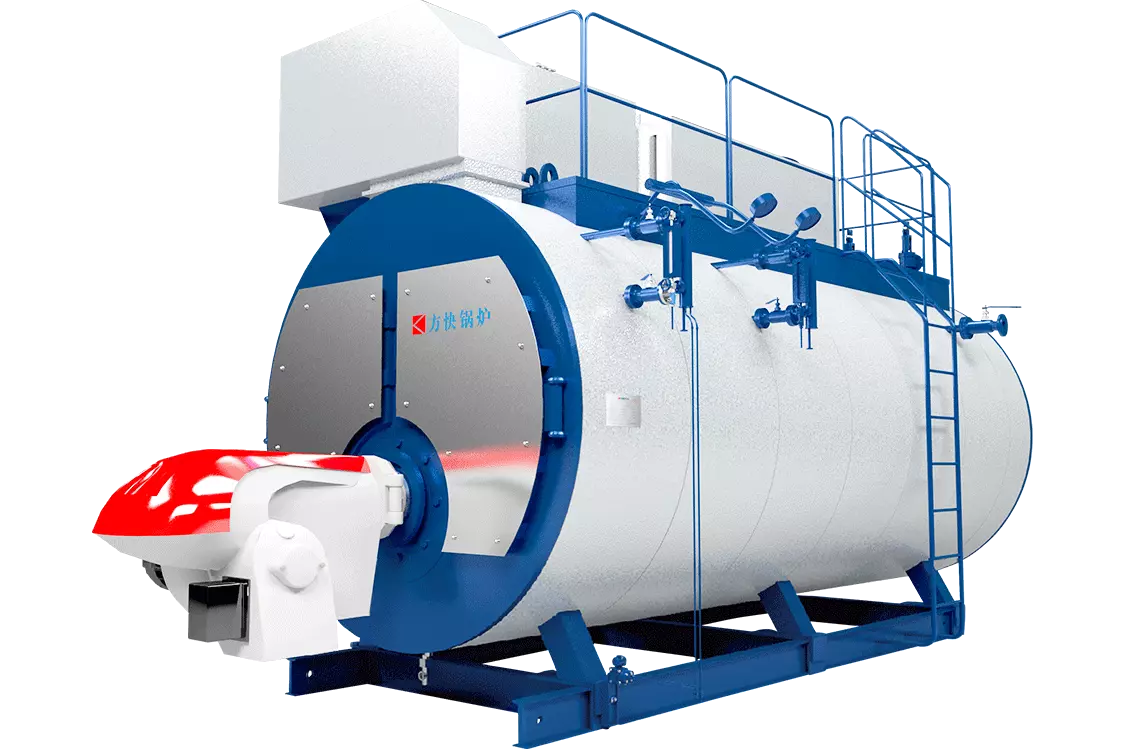
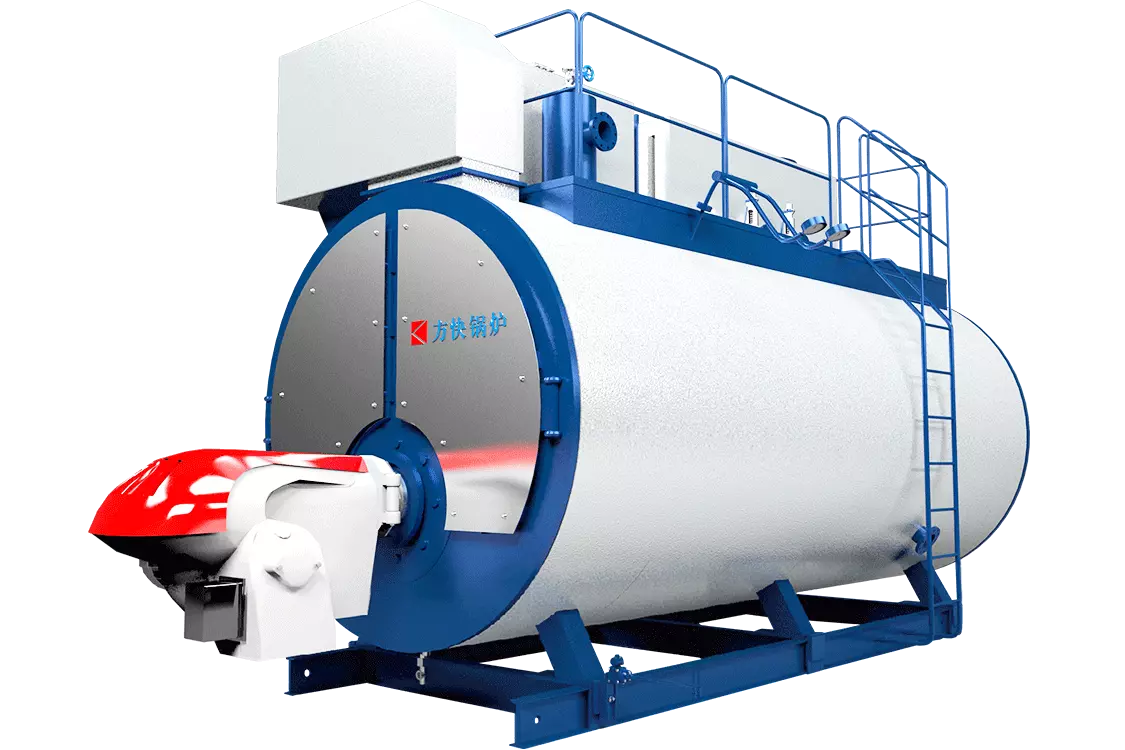
Pressure is one factor in selecting an 工业蒸汽锅炉, but boiler type should follow the complete process requirement.
Selection may also depend on:
Fire-tube and water-tube boilers have different construction and application characteristics, so boiler configuration should be evaluated after capacity and steam conditions are defined.
These terms should not be treated as interchangeable.
工作压力 refers to the pressure at which the boiler or steam system is intended to operate during normal service.
Design pressure is an engineering parameter used in the design and rating of pressure-containing equipment.
The relationship between operating conditions, design pressure, allowable pressure and overpressure protection must follow the applicable engineering code, equipment design and local regulatory requirements.
Do not select boiler design pressure by applying an arbitrary percentage to operating pressure.
For export projects, the applicable pressure-equipment code and destination-market requirements should be confirmed before manufacturing.
For accurate boiler selection, 提供:
Instead of requesting:
“Please quote a 10-bar boiler.”
提供:
“This is the required process pressure, steam demand and operating condition. Please evaluate the appropriate boiler and steam-system pressure.”
That gives the engineering team a much better basis for selection.
How do I choose industrial steam pressure?
Start with the pressure and temperature required at the steam-consuming process. Then evaluate pressure losses through the piping, valves and control equipment between the boiler and the most demanding point of use.
简而言之:
Process Pressure → Distribution Losses → Control Requirements → Boiler Operating Pressure → Design/Code Verification
Do not choose industrial steam pressure solely from a generic pressure table or by selecting the highest available boiler rating.
The final pressure should be verified against the actual process, steam distribution system, boiler design and applicable safety requirements.
免费锅炉报价
没有延迟, 得到 3 今日报价 比较最优惠的价格 安全可靠评论
本文内容?

If you like Fang Kuai, 请留言.


V查看我们客户的评论
"方快的蒸汽发生器非常适合我的小生意. 它非常易于使用,需要最少的维护. 它也非常节能, 这帮助我节省了能源费用. 方快的客服也很好. 他们反应灵敏,乐于助人. 强烈推荐方快的蒸汽发生器。"
艾哈迈德
埃及"方快的蒸汽发生器很优秀. 它们非常易于使用并且需要最少的维护. 方快的客户服务也很出色. 他们反应灵敏,乐于助人. 蒸汽发生器的能源效率也非常出色, 这帮助我节省了能源费用. 强烈推荐方快的蒸汽发生器。"
玛丽亚
西班牙"方快的热水器太棒了. 升温快速高效, 而且水会长时间保持高温. 我们从来没有遇到过任何问题,它在我们的日常运营中取得了显着改善. 安装过程也很顺利,客服态度也很好. 强烈推荐方快的热水器。"
莎拉
加拿大"我为我的工厂购买了一台方快蒸汽锅炉,它已经完美运行了几个月了. 材料的质量和锅炉的结构令人印象深刻. 它也非常节能, 这帮助我们节省了能源费用. 我向任何需要可靠高效供暖解决方案的人强烈推荐方快的产品。"
约翰
美国"方快的热水锅炉质量让我印象深刻. 它经久耐用,超出了我的预期. 安装过程也很顺利,客服态度也很好. 热水锅炉操作维护非常方便, 能源效率显着. 强烈推荐方快的热水器。"
杰克
澳大利亚"方快导热油锅炉操作维护非常方便. 它帮助我们节省了维护时间和金钱, 这导致显着的成本节约. 材料的质量和锅炉的构造非常出色. 它也非常节能, 这帮助我们节省了能源费用. 强烈推荐方快的导热油锅炉 ."
艾伦
巴西"方快的蒸汽发生器很优秀. 它们非常易于使用并且需要最少的维护. 方快的客户服务也很出色. 他们反应灵敏,乐于助人. 蒸汽发生器的能源效率也非常出色, 这帮助我节省了能源费用. 强烈推荐方快的蒸汽发生器。"
玛丽亚
西班牙"方快导热油锅炉操作维护非常方便. 它帮助我们节省了维护时间和金钱, 这导致显着的成本节约. 材料的质量和锅炉的构造非常出色. 它也非常节能, 这帮助我们节省了能源费用. 强烈推荐方快的导热油锅炉 ."
艾伦
巴西"我为我的工厂购买了一台方快蒸汽锅炉,它已经完美运行了几个月了. 材料的质量和锅炉的结构令人印象深刻. 它也非常节能, 这帮助我们节省了能源费用. 我向任何需要可靠高效供暖解决方案的人强烈推荐方快的产品。"
约翰
美国