Bagaimana Saya Memilih Tekanan Uap Industri?
Untuk memilih tekanan uap industri yang tepat, mulai dengan tekanan dan suhu yang dibutuhkan oleh proses yang memakan uap, kemudian evaluasi kehilangan tekanan antara boiler atau steam header dan titik penggunaan.
Urutan seleksi praktisnya adalah:
Persyaratan Proses → Suhu Steam yang Diperlukan → Persyaratan Tekanan Peralatan → Kehilangan Tekanan Distribusi → Persyaratan Kontrol/PRV → Tekanan Operasi Boiler → Tekanan Desain Boiler
Oleh karena itu, tekanan uap yang benar bukan sekadar tekanan tertinggi yang dapat dihasilkan oleh boiler.
Tekanan tersebut haruslah yang memungkinkan seluruh sistem steam untuk menyuplai kondisi steam yang dibutuhkan secara andal dan aman pada beban operasi normal dan puncak.
1. Mulailah Dengan Persyaratan Tekanan Proses
Pertanyaan pertama yang seharusnya:
Berapa tekanan yang diperlukan pada peralatan pemakan uap?
Proses industri yang berbeda memiliki persyaratan yang berbeda.
Uap dapat digunakan untuk:
- proses pemanasan;
- penukar panas;
- kapal berjaket;
- sterilisasi;
- pengeringan;
- pengolahan tekstil;
- produksi makanan;
- Pemrosesan Kimia;
- atau aplikasi industri lainnya.
Tekanan yang diperlukan idealnya berasal dari desain proses atau persyaratan pengoperasian pabrikan peralatan.
Jangan memilih tekanan boiler yang lebih tinggi hanya karena tampaknya memberikan kapasitas atau fleksibilitas yang lebih besar.
2. Tekanan Boiler Tidak Sama dengan Tekanan Proses
Tekanan pada saluran keluar ketel uap mungkin lebih tinggi daripada tekanan yang tersedia pada peralatan akhir yang menggunakan uap.
Tekanan dapat hilang melalui sistem distribusi uap, termasuk:
- perpipaan;
- perlengkapan;
- katup;
- pemisah;
- saringan;
- pengukur aliran;
- katup kontrol;
- katup pengurang tekanan;
- dan peralatan proses.
Jarak distribusi yang jauh dan aliran uap yang tinggi juga dapat mempengaruhi hilangnya tekanan.
Karena itu:
Tekanan Boiler/Header yang Dibutuhkan = Tekanan Proses yang Diperlukan + Persyaratan Tekanan Sistem yang Dihitung
Tekanan tambahan harus didasarkan pada evaluasi teknik terhadap sistem aktual, bukan pada persentase sewenang-wenang atau aturan praktis universal.
3. Pertimbangkan Pengguna Steam Paling Kritis
Jika suatu pabrik mempunyai banyak proses yang memakan uap, mengidentifikasi pengguna dengan kombinasi yang paling menuntut:
- tekanan yang dibutuhkan;
- aliran uap yang diperlukan;
- jarak distribusi;
- persyaratan katup kontrol;
- dan profil operasi.
Boiler dan sistem distribusi utama harus mampu menopang beban kritis selama kondisi pengoperasian yang realistis.
Hal ini sangat penting ketika beberapa jalur produksi beroperasi secara bersamaan.
4. Bagaimana Tekanan Uap Mempengaruhi Suhu Saturasi?
Untuk uap jenuh, tekanan dan suhu saturasi berhubungan langsung.
Ketika tekanan uap jenuh meningkat, suhu saturasinya juga meningkat.
Ini berarti suhu proses yang diperlukan dapat menjadi titik awal yang penting ketika memilih tekanan steam.
Namun, jangan memilih tekanan berdasarkan suhu saja.
Perancang proses juga harus mengevaluasi:
- persyaratan perpindahan panas;
- mengendalikan perilaku;
- peringkat peralatan;
- area perpindahan panas yang tersedia;
- penanganan kondensat;
- dan stabilitas proses.
Jika prosesnya memerlukan suhu pemanasan tertentu, kondisi steam yang diperlukan harus ditentukan sebelum tekanan akhir boiler dipilih.
5. Haruskah Saya Menggunakan Tekanan Pengukur atau Tekanan Absolut?
Selalu tentukan referensi tekanan mana yang digunakan.
Spesifikasi boiler industri umumnya menggunakan satuan pengukur tekanan seperti:
- batang(G);
- MPa(G);
- atau psig.
Perhitungan termodinamika dan data properti uap mungkin menggunakan tekanan absolut.
Tekanan pengukur dan tekanan absolut tidak sama.
Tekanan Absolut = Tekanan Pengukur + Tekanan Atmosfer Lokal
Saat menggunakan tabel uap, perangkat lunak rekayasa atau lembar data pemasok, konfirmasikan apakah nilai tekanannya terukur atau absolut.
Kebingungan antara keduanya dapat menyebabkan perhitungan suhu uap dan termodinamika yang salah.
6. Seharusnya Tekanan Boiler Lebih Tinggi Dari Tekanan Proses?
Sering, boiler atau steam header utama harus beroperasi di atas tekanan yang diperlukan pada proses akhir karena sistem distribusi dan kontrol menyebabkan kehilangan tekanan.
Namun perbedaan pastinya harus dihitung untuk proyek tersebut.
Insinyur harus mempertimbangkannya:
- diameter pipa;
- aliran uap;
- panjang pipa;
- perlengkapan;
- katup;
- katup kontrol;
- pengaturan distribusi;
- beban simultan;
- dan tekanan yang dapat diterima pada titik penggunaan.
Jangan hanya menambahkan margin tekanan tetap pada setiap proyek.
7. Bagaimana Jika Pabrik Saya Menggunakan Beberapa Tekanan Uap Yang Berbeda?
Sebuah pabrik mungkin mengandung beberapa tingkat tekanan uap.
Misalnya, satu proses mungkin memerlukan kondisi uap yang berbeda dari proses lainnya.
Tergantung pada desain teknik, sistem dapat digunakan:
- header uap utama;
- tingkat tekanan yang terpisah;
- katup pengurang tekanan (PRV);
- atau peralatan pembangkit uap khusus.
Pengaturan yang benar bergantung pada kebutuhan steam aktual dan persyaratan proses.
Menghasilkan uap pada tekanan tinggi yang tidak perlu dan menguranginya di mana-mana bukanlah solusi yang paling efisien.
Sistem yang lengkap harus dievaluasi daripada memilih tekanan boiler secara terpisah.
8. Apakah Tekanan Uap Lebih Tinggi Berarti Boiler Lebih Baik?
TIDAK.
Tekanan yang lebih tinggi tidak serta merta menjadi lebih baik.
Pengoperasian pada tekanan yang lebih tinggi dari yang dibutuhkan proses dapat mempengaruhi:
- persyaratan desain ketel;
- peringkat perpipaan dan katup;
- persyaratan keselamatan;
- kerugian sistem uap;
- persyaratan pengurangan tekanan;
- dan biaya peralatan.
Sebaliknya, tekanan yang terlalu rendah dapat mencegah steam mencapai proses pada kondisi yang diperlukan selama periode beban tinggi.
Oleh karena itu, tujuannya adalah:
Bukan tekanan tertinggi— namun tekanan yang sesuai untuk proses dan sistem distribusi.
9. Dapat Mengurangi Tekanan Uap Menghemat Energi?
Di beberapa sistem uap yang ada, mengurangi tekanan operasi yang berlebihan dapat mengurangi kerugian tertentu.
Namun, tekanan tidak boleh diturunkan tanpa mengevaluasi sistem uap secara keseluruhan.
AS. Panduan Departemen Energi mengenai pengurangan tekanan uap merekomendasikan penilaian faktor-faktor seperti:
- beban uap rata-rata dan puncak;
- kapasitas pabrik boiler;
- perpipaan;
- beban uap kritis;
- isolasi;
- dan kondisi steam-trap.
Mengurangi tekanan terlalu jauh dapat berdampak negatif terhadap kinerja proses dan distribusi uap.
Oleh karena itu, optimalisasi tekanan memerlukan penilaian teknik daripada sekadar mengubah setpoint tekanan boiler.
10. Apakah Jenis Boiler Mempengaruhi Pemilihan Tekanan?
Tekanan merupakan salah satu faktor dalam memilih sebuah Boiler uap industri, tetapi jenis boiler harus mengikuti persyaratan proses yang lengkap.
Seleksi mungkin juga bergantung pada:
- kapasitas uap;
- tekanan yang dibutuhkan;
- variasi beban;
- suhu uap yang diperlukan;
- bahan bakar;
- kualitas air;
- ruang instalasi;
- profil operasi;
- dan kode yang berlaku.
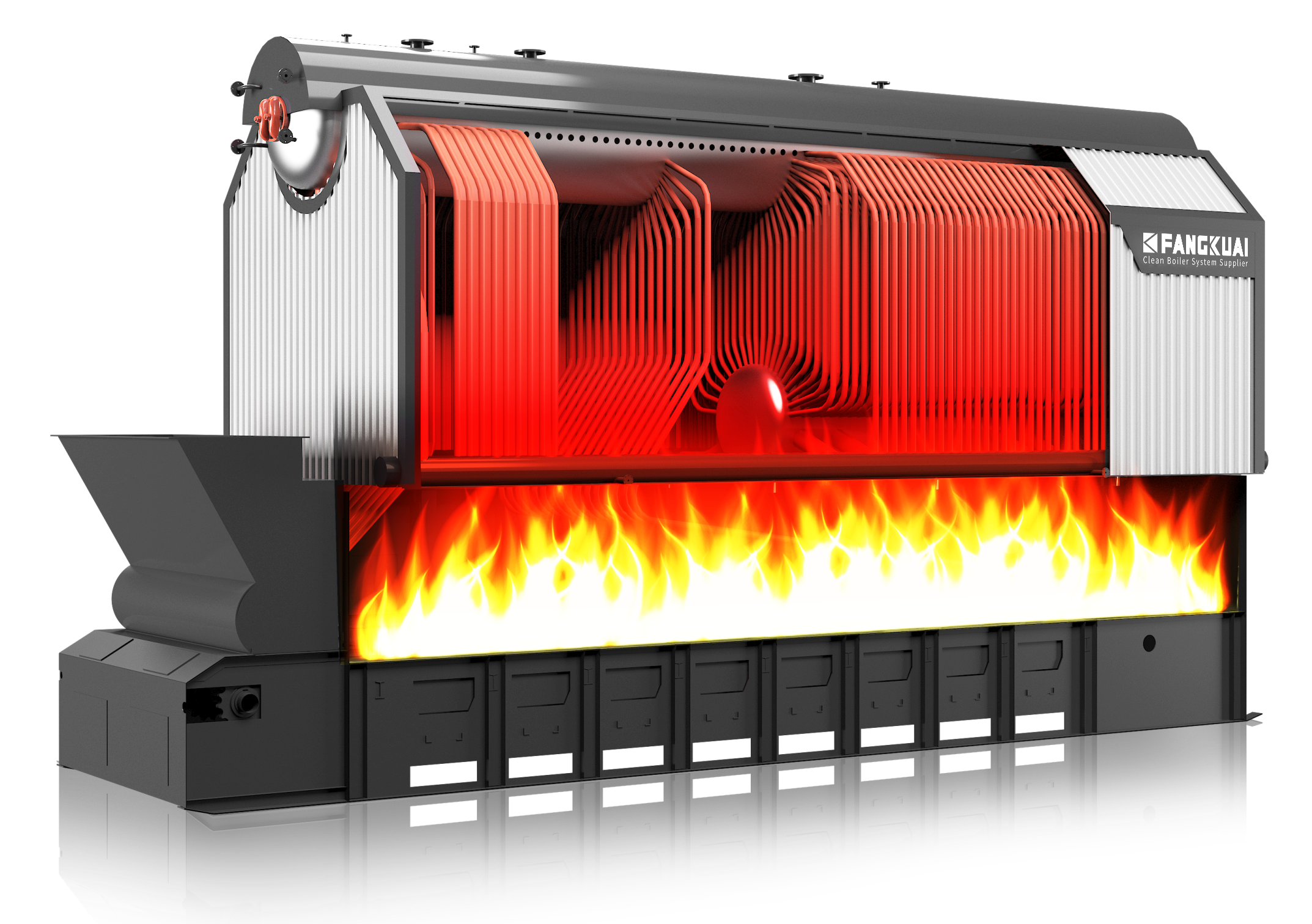
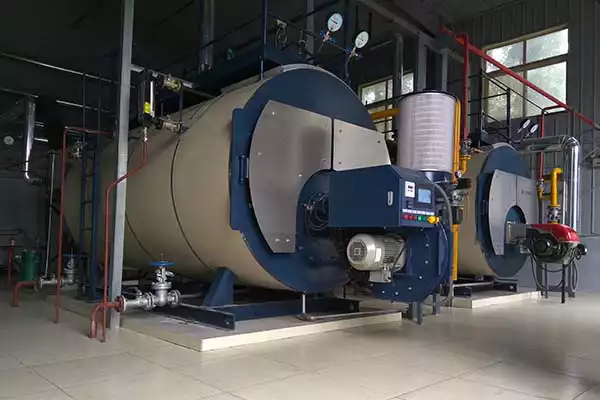
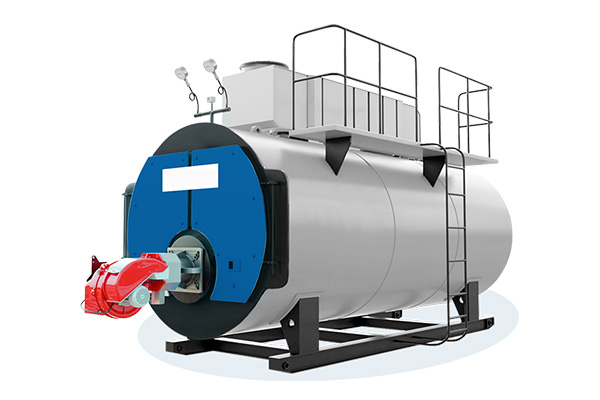
Ketel pipa api dan ketel pipa air mempunyai karakteristik konstruksi dan aplikasi yang berbeda, jadi konfigurasi boiler harus dievaluasi setelah kapasitas dan kondisi steam ditentukan.
11. Apa Perbedaan Antara Tekanan Operasi dan Tekanan Desain?
Istilah-istilah ini tidak boleh dianggap dapat dipertukarkan.
Tekanan operasi mengacu pada tekanan di mana boiler atau sistem uap dimaksudkan untuk beroperasi selama layanan normal.
Tekanan desain adalah parameter teknik yang digunakan dalam desain dan pemeringkatan peralatan yang mengandung tekanan.
Hubungan antara kondisi operasi, tekanan desain, perlindungan tekanan dan tekanan berlebih yang diijinkan harus mengikuti kode teknik yang berlaku, desain peralatan dan persyaratan peraturan lokal.
Jangan memilih tekanan desain boiler dengan menerapkan persentase tekanan operasi secara sewenang-wenang.
Untuk proyek ekspor, kode peralatan bertekanan yang berlaku dan persyaratan pasar tujuan harus dikonfirmasi sebelum produksi.
12. Informasi Apa yang Harus Saya Berikan kepada Produsen Boiler Tentang Tekanan Uap?
Untuk akurat pemilihan ketel, menyediakan:
- Kapasitas uap yang diperlukan;
- minimum, kebutuhan uap normal dan puncak;
- tekanan yang diperlukan pada proses tersebut;
- suhu uap yang diperlukan;
- kebutuhan uap jenuh atau super panas;
- jarak dari boiler ke pengguna uap utama;
- informasi perpipaan yang diketahui;
- beban uap simultan;
- bahan bakar;
- jam operasional;
- negara instalasi;
- dan kode atau sertifikasi yang diperlukan.
Daripada meminta:
“Tolong kutip boiler 10 bar.”
menyediakan:
“Ini adalah tekanan proses yang diperlukan, kebutuhan uap dan kondisi operasi. Harap evaluasi tekanan boiler dan sistem uap yang sesuai.”
Hal ini memberi tim teknik dasar yang lebih baik untuk melakukan seleksi.
Jawaban Cepat
Bagaimana cara memilih tekanan uap industri?
Mulailah dengan tekanan dan suhu yang dibutuhkan pada proses yang memakan uap. Kemudian evaluasi kehilangan tekanan melalui pipa, katup dan peralatan kontrol antara boiler dan titik penggunaan yang paling menuntut.
Pendeknya:
Tekanan Proses → Kerugian Distribusi → Persyaratan Kontrol → Tekanan Operasi Boiler → Verifikasi Desain/Kode
Jangan memilih tekanan uap industri hanya dari tabel tekanan umum atau dengan memilih peringkat boiler tertinggi yang tersedia.
Tekanan akhir harus diverifikasi terhadap proses sebenarnya, sistem distribusi uap, desain boiler dan persyaratan keselamatan yang berlaku.





View Ulasan Pelanggan kami
"Kami telah menggunakan boiler minyak termal Fangkuai untuk pabrik kimia kami selama bertahun-tahun dan tidak pernah mengecewakan kami. Ketel ini sangat tahan lama dan tahan terhadap kondisi yang keras. Pengoperasian dan pemeliharaannya juga sangat mudah, yang telah membantu kami menghemat waktu dan uang untuk pemeliharaan. Boiler minyak termal Fangkuai adalah yang terbaik dan saya sangat merekomendasikannya kepada siapa pun yang membutuhkan solusi pemanasan yang andal."
Perubahan
Cina"Ketel air panas dari Fangkuai luar biasa. Ini memanas dengan cepat dan efisien, dan airnya tetap panas untuk waktu yang lama. Kami tidak pernah mengalami masalah apa pun dengannya dan ini telah memberikan kemajuan yang signifikan dalam operasional kami sehari-hari. Proses instalasi juga sangat lancar dan layanan pelanggan sangat baik. Saya sangat merekomendasikan boiler air panas Fangkuai."
Sarah
Kanada"Thermal oil boiler dari Fangkuai sangat mudah dioperasikan dan dirawat. Ini telah membantu kami menghemat waktu dan uang untuk pemeliharaan, yang telah menyebabkan penghematan biaya yang signifikan. Kualitas bahan dan konstruksi boiler luar biasa. Ini juga sangat hemat energi, yang telah membantu kami menghemat uang untuk tagihan energi kami. Saya sangat merekomendasikan boiler minyak termal Fangkuai ."
Allen
Brazil"Saya sangat terkesan dengan kualitas ketel air panas Fangkuai. Itu dibangun untuk bertahan dan telah melebihi harapan saya. Proses instalasi juga sangat lancar dan layanan pelanggan sangat baik. Ketel air panas sangat mudah dioperasikan dan dirawat, dan efisiensi energinya luar biasa. Saya sangat merekomendasikan boiler air panas Fangkuai."
Mendongkrak
Australia"Peralatan bantu Fangkuai telah membuat sistem ketel saya menjadi lebih baik. Kualitas peralatannya luar biasa dan harganya sangat masuk akal. Peralatan tersebut telah membantu meningkatkan efisiensi dan kinerja sistem ketel saya, yang telah menyebabkan penghematan biaya yang signifikan. Saya sangat merekomendasikan peralatan bantu Fangkuai kepada siapa pun yang membutuhkan aksesori boiler berkualitas tinggi."
Maryk
Inggris"Ketel air panas dari Fangkuai luar biasa. Ini memanas dengan cepat dan efisien, dan airnya tetap panas untuk waktu yang lama. Kami tidak pernah mengalami masalah apa pun dengannya dan ini telah memberikan kemajuan yang signifikan dalam operasional kami sehari-hari. Proses instalasi juga sangat lancar dan layanan pelanggan sangat baik. Saya sangat merekomendasikan boiler air panas Fangkuai."
Sarah
Kanada"Pembangkit uap dari Fangkuai sangat cocok untuk usaha kecil saya. Sangat mudah digunakan dan membutuhkan perawatan minimal. Ini juga sangat hemat energi, yang telah membantu saya menghemat uang untuk tagihan energi saya. Layanan pelanggan di Fangkuai juga luar biasa. Mereka sangat responsif dan selalu bersedia membantu. Saya sangat merekomendasikan generator uap Fangkuai."
Ahmad
Mesir"Peralatan bantu Fangkuai telah membuat sistem ketel saya menjadi lebih baik. Kualitas peralatannya luar biasa dan harganya sangat masuk akal. Peralatan tersebut telah membantu meningkatkan efisiensi dan kinerja sistem ketel saya, yang telah menyebabkan penghematan biaya yang signifikan. Saya sangat merekomendasikan peralatan bantu Fangkuai kepada siapa pun yang membutuhkan aksesori boiler berkualitas tinggi."
Maryk
Inggris"Layanan pelanggan di Fangkuai adalah yang terbaik. Mereka membantu saya memilih boiler yang sempurna untuk kebutuhan saya dan memberikan dukungan yang luar biasa selama proses berlangsung. Proses pemasangannya juga sangat lancar dan ketelnya melebihi ekspektasi saya. Sangat mudah digunakan dan dirawat, dan efisiensi energinya luar biasa. Saya sangat merekomendasikan produk Fangkuai kepada siapa pun yang membutuhkan solusi pemanasan yang andal dan efisien."
Juan
Meksiko