Understanding the Main Components Inside a Steam Boiler
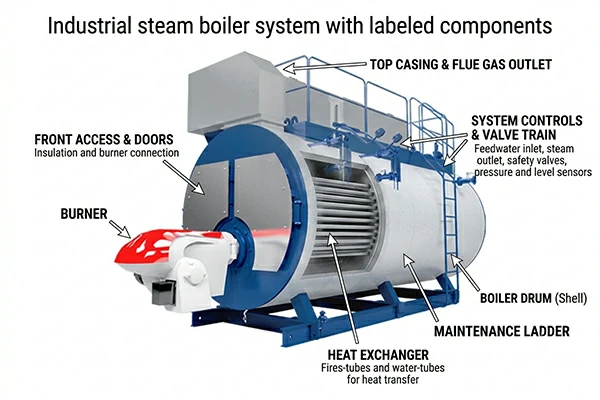
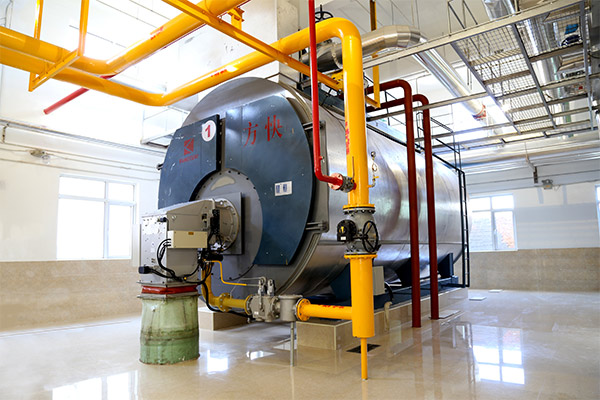
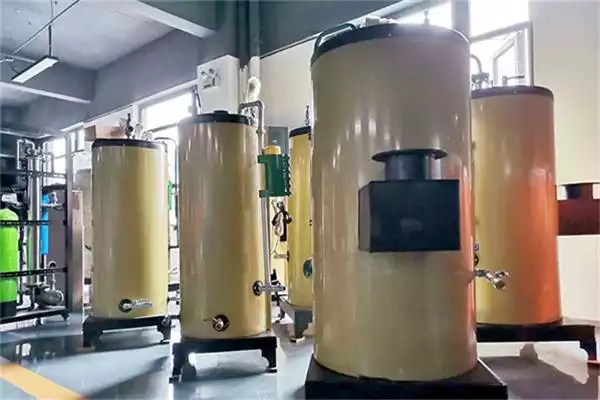
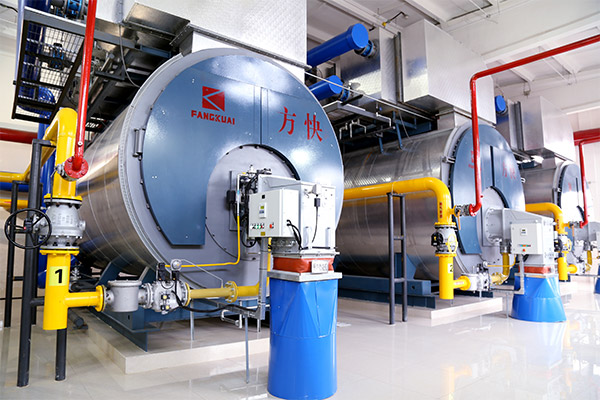
A steam boiler is not just a simple heating device. It is a complete thermal energy system composed of multiple components that work together to convert fuel energy into usable steam.
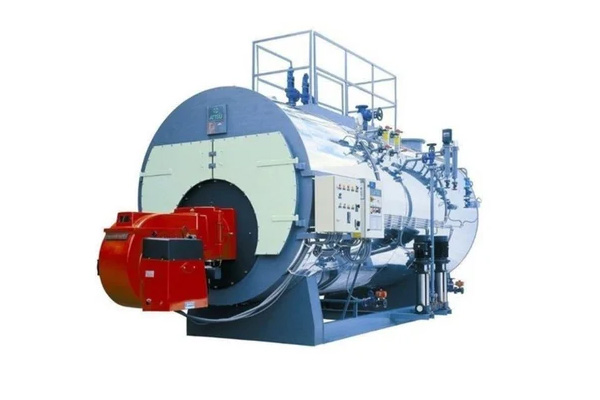
The main Caldera de vapor components include the burner, cámara de combustión, intercambiador de calor, boiler drum, water circulation system, y sistema de control. Each component has a specific function, and the performance of the entire boiler depends on how efficiently these parts operate together.
For industrial users, understanding steam boiler components is important when selecting equipment, mejorar la eficiencia energética, reducing maintenance costs, and ensuring safe operation.
En esta guía, Explicaremos la función de cada componente principal de la caldera de vapor., cómo trabajan juntos, y por qué estas piezas son fundamentales para una generación de vapor confiable.
¿Cuáles son los componentes principales de una caldera de vapor??
Descripción general de la sección: Esta sección presenta las partes principales de una caldera de vapor y explica cómo los diferentes componentes trabajan juntos para convertir la energía del combustible en vapor utilizable..
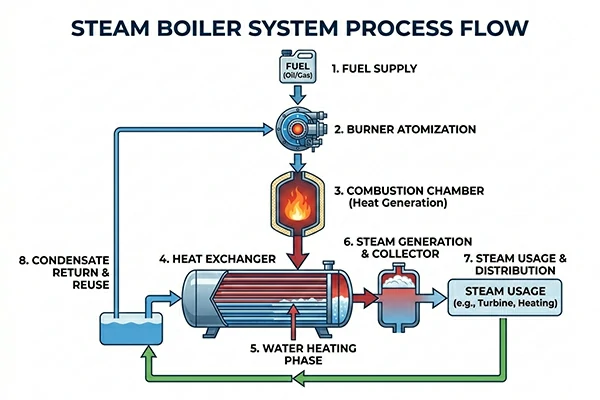
Una caldera de vapor no es una sola máquina, sino un sistema completo que consta de varios componentes mecánicos y de control importantes.. Aunque los diseños de calderas varían según el tipo de combustible., capacidad, y aplicación, La mayoría de las calderas de vapor industriales incluyen las siguientes partes básicas.:
| Componente de caldera de vapor |
Función principal |
| Quemador |
Produce energía térmica quemando combustible como el gas natural., aceite, biomasa, o carbón. |
| Cámara de combustión |
Proporciona espacio para la combustión de combustible y genera gases de alta temperatura.. |
| Intercambiador de calor |
Transfiere calor de los gases de combustión al agua para generar vapor.. |
| Tambor de caldera |
Almacena agua y separa el vapor de la mezcla de agua.. |
| Sistema de circulación de agua |
Mantiene el flujo continuo de agua a través de las superficies calefactoras.. |
| Sistema de salida de vapor |
Proporciona vapor generado a equipos industriales o sistemas de calefacción.. |
| Sistema de control |
Monitorea la presión, temperatura, nivel del agua, y condiciones de combustión. |
| Dispositivos de seguridad |
Proteger la caldera de presiones anormales., calentamiento excesivo, y riesgos operativos. |
Cada componente tiene un propósito específico.. La falla o el mal desempeño de una pieza puede afectar la eficiencia, seguridad, y vida útil de todo el sistema de caldera de vapor.
1. Quemador de caldera de vapor: El punto de partida de la generación de calor
Descripción general de la sección: El quemador Es el componente responsable de crear la fuente de calor necesaria para la producción de vapor.. Su diseño influye directamente en la eficiencia del combustible., emisiones, y rendimiento de la caldera.
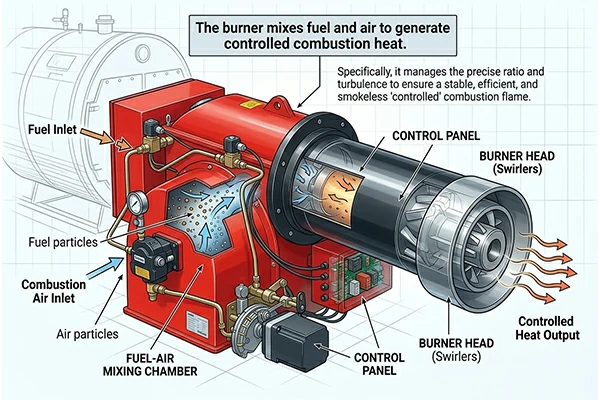
El quemador de caldera de vapor A menudo se considera el corazón de una caldera de combustión porque controla el proceso de conversión de la energía del combustible en energía térmica..
Durante la operación, el quemador mezcla combustible y aire en la proporción correcta, crea una llama estable, y libera calor dentro de la cámara de combustión.. El calor generado luego se transfiere al agua a través de las superficies de calentamiento de la caldera..
Los quemadores de calderas de vapor industriales pueden funcionar con diferentes tipos de combustible., incluido:
- Gas natural
- Gasóleo
- fueloil pesado
- Combustible de biomasa
- Carbón
Un quemador de alta calidad ayuda a la caldera a lograr:
- Combustión completa
- Menor consumo de combustible
- Emisiones de escape reducidas
- Operación de llama estable
- Eficiencia térmica mejorada
¿Cómo funciona un quemador de caldera de vapor??
El proceso de funcionamiento de un quemador suele incluir cuatro pasos principales.:
1. Suministro de combustible
El combustible se transporta desde el sistema de almacenamiento al quemador a través de tuberías de combustible específicas.. El sistema de suministro controla la cantidad de combustible que ingresa al proceso de combustión..
2. Mezcla de aire y combustible
El quemador combina combustible con aire de combustión en una proporción optimizada.. La mezcla adecuada de aire y combustible garantiza una combustión completa y reduce la pérdida innecesaria de energía..
3. Proceso de encendido
El sistema de encendido crea una llama controlada dentro de la cámara de combustión.. Los quemadores modernos suelen incluir sistemas de encendido automático y control de llama para mejorar la seguridad..
4. Liberación de calor
Durante la combustión, La energía química almacenada en el combustible se convierte en energía térmica.. Este calor luego se transfiere a través de las superficies de calentamiento de la caldera para producir vapor..
Los quemadores industriales modernos suelen utilizar tecnología de modulación automática.. En lugar de funcionar sólo a plena capacidad, El quemador puede ajustar la intensidad de la llama según la demanda de vapor., Reducir el consumo de combustible y mejorar la eficiencia..
2. Cámara de combustión: Donde la energía del combustible se convierte en calor
Descripción general de la sección: La cámara de combustión proporciona el entorno donde se quema el combustible y convierte la energía química en calor de alta temperatura necesario para la generación de vapor..
El cámara de combustión, también conocido como horno o cámara de combustión, es el área donde se produce la combustión del combustible. Es una de las secciones más importantes dentro de una caldera de vapor porque la calidad de la combustión afecta directamente al rendimiento y a las emisiones..
Dentro de la cámara de combustión, el quemador produce una llama de alta temperatura. El calor liberado es absorbido por las superficies de calefacción circundantes de la caldera y transferido al sistema de agua..
Una cámara de combustión bien diseñada debe proporcionar:
- Espacio de combustión suficiente
- Condiciones de llama estables
- Quema completa de combustible
- Liberación de calor eficiente
- Menores emisiones contaminantes
La temperatura en el interior de las cámaras de combustión de las calderas industriales puede alcanzar niveles extremadamente altos. Por lo tanto, La cámara generalmente está construida con materiales resistentes al calor y capas aislantes para reducir la pérdida de calor y proteger las estructuras externas..
¿Por qué es importante el diseño de la cámara de combustión??
El diseño de la cámara de combustión incide directamente en el funcionamiento de la caldera.. Las malas condiciones de combustión pueden provocar:
- Mayor consumo de combustible
- Combustión incompleta
- Aumento de las emisiones de carbono
- inestabilidad de la llama
- Vida útil reducida de la caldera
Por esta razón, Los fabricantes de calderas industriales optimizan cuidadosamente el tamaño de la cámara de combustión., forma, y distribución del calor según diferentes combustibles y requisitos operativos.
3. Intercambiador de calor: El núcleo de la transferencia de energía de las calderas de vapor
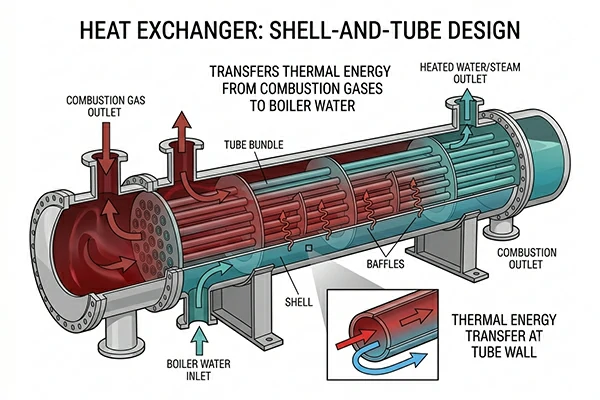
Descripción general de la sección: Esta sección explica cómo el intercambiador de calor transfiere energía térmica de los gases de combustión al agua y por qué es uno de los componentes más importantes que afectan la eficiencia de la caldera de vapor..
El intercambiador de calor de caldera de vapor Es un componente crítico responsable de transferir calor de los gases de combustión calientes al agua sin permitir que los dos fluidos se mezclen directamente..
La eficiencia de una caldera de vapor depende en gran medida de la eficacia con la que el intercambiador de calor captura y transfiere energía térmica.. Un intercambiador de calor bien diseñado puede reducir el consumo de combustible, mejorar la capacidad de producción de vapor, y menores costos operativos.
Durante el funcionamiento de la caldera:
- La combustión de combustible produce gases de escape a alta temperatura..
- Los gases calientes pasan a través de superficies o tubos calefactores..
- El calor se transfiere a través de superficies metálicas al agua de la caldera..
- El agua absorbe energía y se transforma en vapor..
Los diferentes diseños de calderas de vapor utilizan diferentes estructuras de intercambiadores de calor.. Los dos diseños más comunes son las calderas pirotubulares y las calderas acuotubulares..
Intercambiador de calor de caldera pirotubular
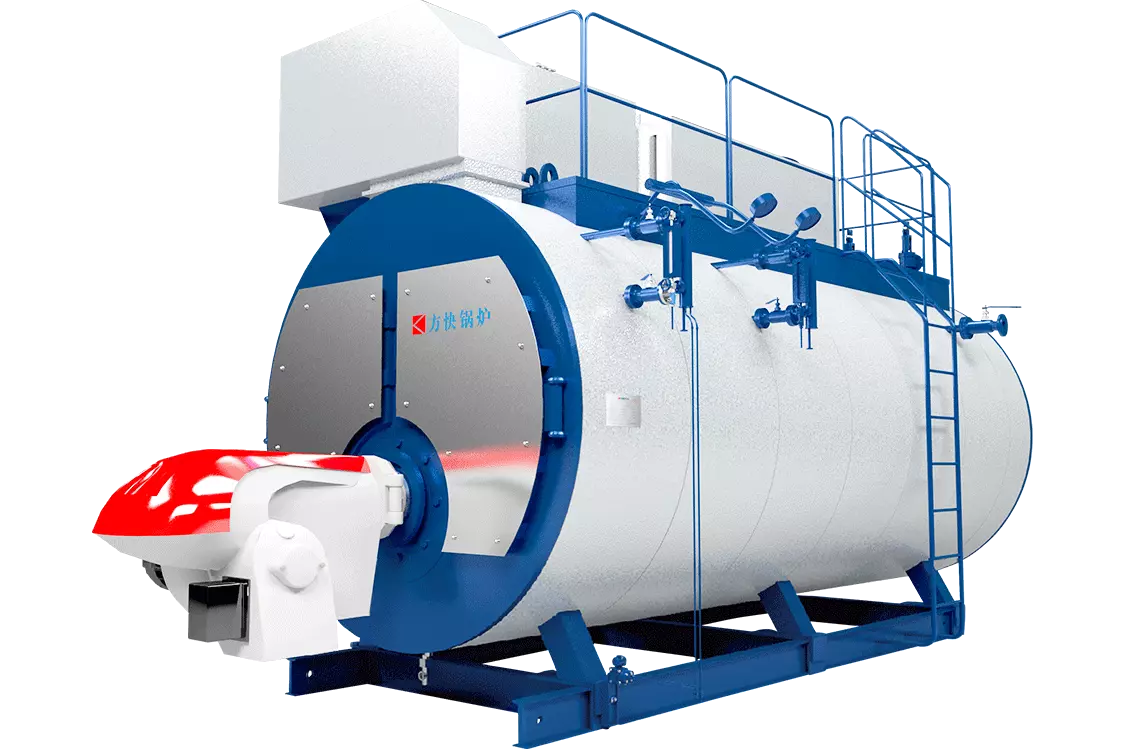
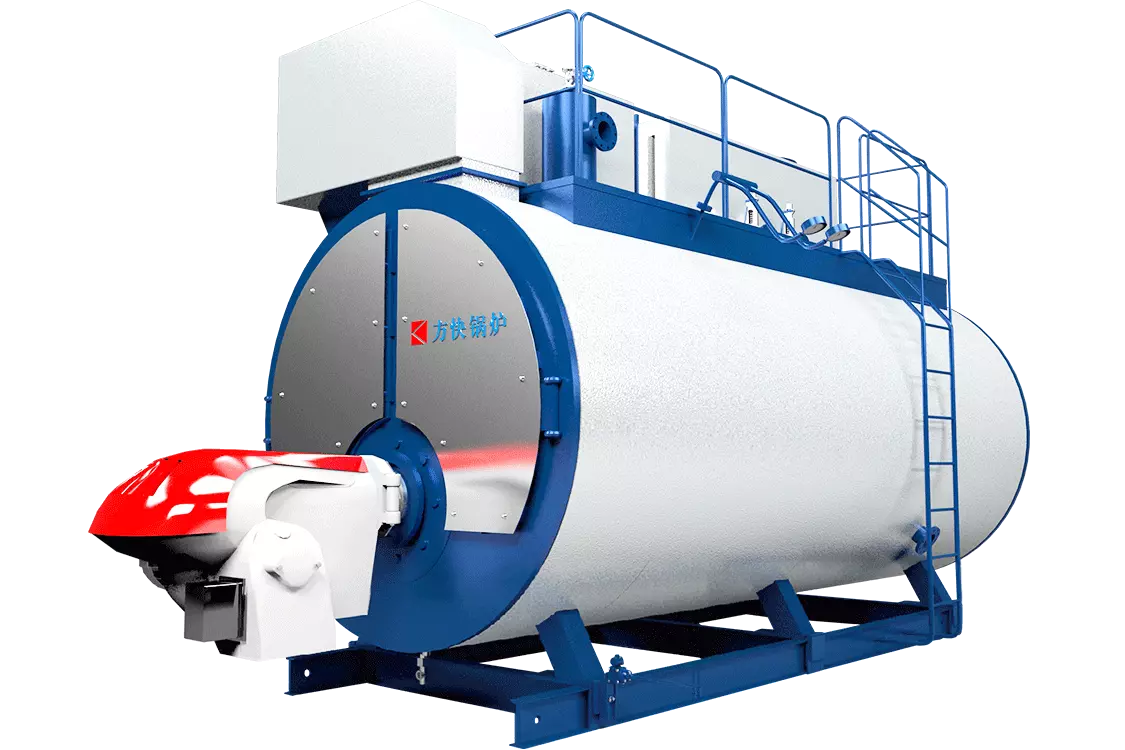
En una caldera pirotubular, Los gases de combustión calientes fluyen a través de tubos rodeados de agua..
Las paredes del tubo actúan como superficies de transferencia de calor., Permitir que el calor de los gases se transfiera al agua circundante..
Principales ventajas de los intercambiadores de calor de calderas pirotubulares.:
- Estructura simple
- Menor coste de inversión inicial
- Facil mantenimiento
- Adecuado para necesidades de vapor pequeñas y medianas
Las calderas pirotubulares se utilizan habitualmente en:
- Edificios comerciales
- Lavanderías
- Pequeñas instalaciones de fabricación
- Aplicaciones de calefacción
Intercambiador de calor de caldera de tubo de agua
En una caldera acuotubular, El agua fluye dentro de los tubos mientras que los gases de combustión calientes rodean el exterior de los tubos..
Este diseño permite que el agua absorba el calor más rápido y permite que la caldera funcione a presiones y temperaturas más altas..
Principales ventajas de los intercambiadores de calor de calderas acuotubulares.:
- Mayor capacidad de presión
- Generación de vapor más rápida
- Mejor eficiencia térmica para sistemas grandes
- Adecuado para funcionamiento industrial continuo
Las calderas acuotubulares se utilizan ampliamente en:
- Plantas de energía
- Industrias químicas
- Grandes instalaciones de fabricación
- Aplicaciones de vapor a alta presión
Comparación del intercambiador de calor de calderas pirotubulares y acuotubulares
| Característica |
Caldera de tubo de fuego |
Caldera de tubo de agua |
| Método de transferencia de calor |
Los gases calientes fluyen dentro de los tubos mientras el agua los rodea.. |
El agua fluye dentro de los tubos mientras los gases calientes calientan la superficie exterior.. |
| Capacidad de presión |
Aplicaciones de presión baja a media. |
Aplicaciones industriales de alta presión. |
| Velocidad de generación de vapor |
Velocidad moderada de producción de vapor.. |
Rápida generación de vapor. |
| Mantenimiento |
Mantenimiento sencillo e inspección más sencilla. |
Requiere mantenimiento profesional y tratamiento de agua.. |
| Aplicaciones típicas |
Calefacción comercial y pequeñas fábricas.. |
Generación de energía e industrias pesadas.. |
4. Tambor de caldera: El Centro de Almacenamiento y Separación de Vapor
Descripción general de la sección: El tambor de la caldera almacena agua., separa el vapor de la mezcla de agua, y mantiene una generación de vapor estable durante el funcionamiento.
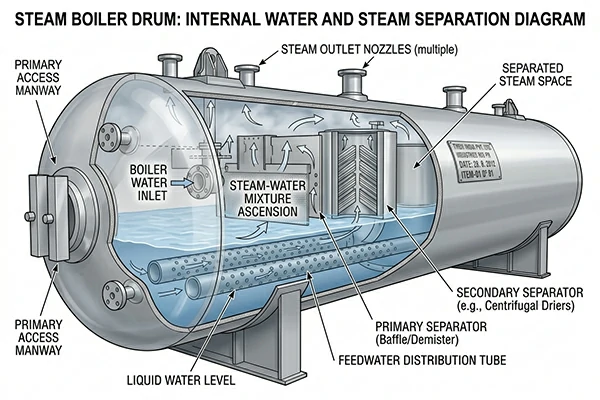
El boiler drum Es un recipiente a presión que desempeña un papel clave en el mantenimiento de la calidad del vapor y la estabilidad del sistema..
En muchas calderas de vapor industriales., El tambor realiza dos funciones importantes.:
- Almacenamiento del agua de alimentación antes de la generación de vapor..
- Separar el vapor del agua después del calentamiento..
Durante el proceso de generación de vapor:
- El agua ingresa al sistema de calefacción de la caldera..
- El calor de la combustión eleva la temperatura del agua..
- La mezcla de agua y vapor ingresa al tambor de la caldera..
- El tambor separa el vapor del agua restante..
- El vapor seco sale por la salida de vapor..
Un tambor de caldera correctamente diseñado mejora:
- Calidad del vapor
- Estabilidad de presión
- Seguridad operativa
- Eficiencia general de la caldera
¿Por qué es importante la separación del vapor??
El vapor de alta calidad debe contener la menor humedad posible.. El exceso de agua transportada con vapor puede causar problemas como:
- Eficiencia de calefacción reducida
- Corrosión de tuberías
- Daño al equipo
- Procesos industriales inestables
Por lo tanto, El tambor de la caldera debe proporcionar suficiente espacio y rendimiento de separación para producir una salida de vapor confiable..
5. Sistema de circulación de agua: Mantener la transferencia de calor continua
Descripción general de la sección: El sistema de circulación de agua garantiza el movimiento continuo del agua a través de áreas calentadas., permitiendo que la caldera mantenga una producción de vapor estable.
El sistema de circulación de agua es otra parte esencial de las calderas de vapor industriales.. Su objetivo principal es mover el agua continuamente a través de las superficies calefactoras para que el calor pueda transferirse de manera eficiente..
Sin una adecuada circulación del agua, Algunas áreas de la caldera pueden sobrecalentarse., reduciendo la eficiencia y aumentando el riesgo de daños al equipo.
Tipos de sistemas de circulación de agua
Sistema de circulación natural
La circulación natural utiliza la diferencia de densidad entre el agua caliente y el agua más fría para crear movimiento dentro de la caldera..
Ventajas:
- Estructura simple
- Operación confiable
- Menores requisitos de mantenimiento
La circulación natural se utiliza comúnmente en los sistemas de calderas industriales tradicionales..
Sistema de circulación forzada
La circulación forzada utiliza bombas para controlar el movimiento del agua dentro del sistema de caldera..
Ventajas:
- Mejor control de flujo
- Apto para calderas de alta capacidad.
- Rendimiento de transferencia de calor mejorado
Los sistemas de circulación forzada se aplican comúnmente en:
- Calderas de gran generación de energía.
- Sistemas de vapor de alta presión.
- Grandes instalaciones industriales
6. Sistema de control de caldera de vapor: El Centro de Gestión Inteligente
Descripción general de la sección: El sistema de control monitorea y ajusta las condiciones de funcionamiento de la caldera para mejorar la eficiencia., seguridad, y automatización.
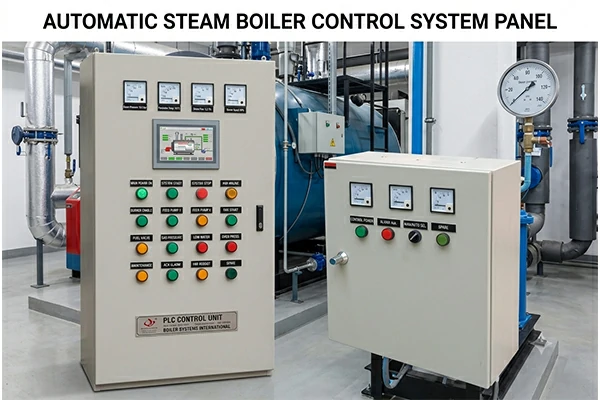
El sistema de control de caldera de vapor es el centro de gestión inteligente de una caldera moderna. Monitorea continuamente importantes parámetros operativos y ajusta automáticamente el equipo según la demanda de vapor..
Los parámetros típicos controlados por el sistema incluyen:
- Presión de vapor
- Nivel del agua
- Temperatura
- Suministro de combustible
- condición de combustión
Un sistema de control de caldera moderno suele contener los siguientes componentes:
| Componente de control |
Función principal |
| Controlador de presión |
Mantiene una presión de vapor estable durante el funcionamiento.. |
| Controlador de nivel de agua |
Previene el funcionamiento con niveles bajos de agua y protege la seguridad de la caldera.. |
| Sensor de temperatura |
Monitorea los cambios de temperatura dentro del sistema de caldera.. |
| Válvula de control de combustible |
Ajusta el suministro de combustible según la demanda de vapor.. |
| Sistema de control PLC |
Proporciona monitoreo automático y operación inteligente.. |
Los sistemas de control avanzados proporcionan varios beneficios:
- Reducir el consumo innecesario de combustible
- Mejorar la eficiencia de la combustión
- Aumentar la seguridad operativa
- Reducir los requisitos de operación manual
- Prolongar la vida útil de la caldera
7. Componentes de seguridad de las calderas de vapor.
Descripción general de la sección:
Esta sección explica los componentes de seguridad esenciales instalados en las calderas de vapor para controlar la presión., prevenir fallas en el equipo, y garantizar un funcionamiento seguro a largo plazo.
Las calderas de vapor funcionan en condiciones de alta temperatura y presión., lo que significa que la protección de la seguridad es uno de los aspectos más importantes del diseño de la caldera..
Los sistemas modernos de calderas de vapor están equipados con múltiples dispositivos de seguridad que monitorean continuamente las condiciones de funcionamiento y responden automáticamente cuando ocurren situaciones anormales..
Un sistema de seguridad confiable no solo protege el equipo de la caldera sino que también reduce los riesgos operativos., mejora la estabilidad del sistema, y extiende la vida útil de los componentes clave.
7.1 Válvula de alivio de presión
El alivio de presión válvula Es uno de los dispositivos de seguridad más críticos instalados en una caldera de vapor.. Su función principal es liberar automáticamente el exceso de presión cuando la presión interna de la caldera excede el límite de seguridad diseñado..
Durante el funcionamiento normal, la válvula de alivio de presión permanece cerrada y permite que la caldera mantenga una presión de trabajo estable. Sin embargo, si el sistema de control falla o la presión del vapor aumenta inesperadamente, La válvula se abre automáticamente para descargar vapor y evitar condiciones peligrosas de sobrepresión..
Es necesario realizar inspecciones y pruebas periódicas de las válvulas de alivio de presión porque una válvula que funciona mal puede afectar seriamente la seguridad de la caldera..
7.2 Dispositivo de corte de agua baja
Un dispositivo de corte por bajo nivel de agua evita que las calderas de vapor funcionen sin suficiente agua. Maintaining the correct water level inside the boiler is essential because water absorbs heat from the combustion process.
If the water level drops too low, the heating surface may become overheated, causing damage to boiler tubes, deformation of metal components, or even serious equipment failure.
When the water level falls below the safe limit, the low water cut-off system automatically stops the burner operation until the water level returns to normal.
7.3 Boiler Control System
The control system works as the “cerebro” of a modern steam boiler. It monitors important operating parameters including pressure, temperatura, nivel del agua, suministro de combustible, y condiciones de combustión.
Advanced boiler control systems use sensors and automation technology to adjust burner output according to steam demand. This helps maintain stable steam production while reducing unnecessary fuel consumption.
| Control Function |
Purpose |
Beneficios |
| Monitoreo de presión |
Mantiene niveles seguros de presión de vapor. |
Previene el funcionamiento con sobrepresión |
| Control de nivel de agua |
Mantiene el volumen adecuado de agua de la caldera. |
Protege las superficies calefactoras de daños. |
| Control de combustible |
Ajusta la combustión según la demanda. |
Mejora la eficiencia energética |
| Apagado automático |
Detiene la operación durante condiciones anormales |
Mejora la seguridad del operador |
7.4 Sistema de tratamiento de agua
La calidad del agua tiene un impacto directo en el rendimiento y la vida útil de la caldera de vapor.. El agua no tratada contiene minerales como calcio y magnesio., que pueden formar depósitos de sarro dentro de los tubos de la caldera y las superficies de transferencia de calor..
La acumulación de sarro reduce la eficiencia de la transferencia de calor y obliga a la caldera a consumir más combustible para producir la misma cantidad de vapor.. En casos severos, La escala excesiva puede causar sobrecalentamiento y daños a los componentes de presión..
Un sistema completo de tratamiento de agua suele incluir filtración., ablandamiento de agua, tratamiento químico, y monitoreo continuo para mantener la calidad adecuada del agua de la caldera..
8. Cómo funcionan juntos los componentes de la caldera de vapor
Descripción general de la sección:
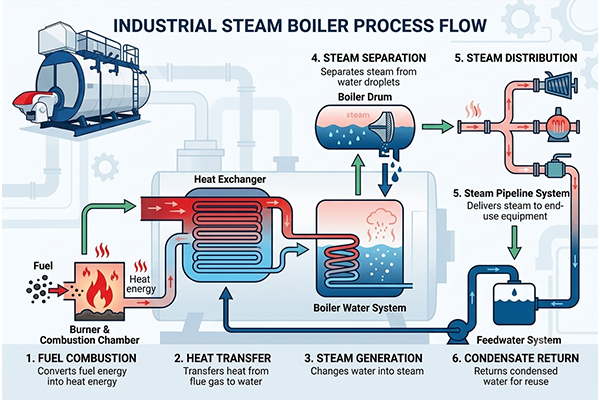
Esta sección explica cómo los diferentes componentes de la caldera de vapor trabajan juntos como un sistema completo para convertir la energía del combustible en vapor utilizable para aplicaciones de procesamiento y calefacción industrial..
Una caldera de vapor no es un solo dispositivo independiente.. Es un sistema térmico completo donde múltiples componentes, incluyendo el quemador, cámara de combustión, intercambiador de calor, boiler drum, sistema de control, y tuberías de vapor, trabajar juntos para generar y entregar vapor de manera eficiente.
Comprender cómo interactúan estos componentes ayuda a los operadores a mejorar la eficiencia de la caldera, reducir el consumo de combustible, y mantener un funcionamiento seguro y estable.
El proceso completo de generación de vapor
El proceso de generación de vapor dentro de una caldera industrial sigue un ciclo continuo y cerrado.. Cada componente realiza una función específica., y todo el sistema trabaja en conjunto para transformar la energía del combustible en vapor de alta temperatura..
Paso 1: Combustión de combustible
El proceso comienza dentro del quemador.. El quemador mezcla combustible., como el gas natural, aceite, biomasa, u otras fuentes de energía, con aire y crea un proceso de combustión controlado.
Durante la combustión, La energía química almacenada en el combustible se convierte en energía térmica., producir gases de combustión de alta temperatura que proporcionan el calor necesario para la producción de vapor.
Un quemador correctamente diseñado garantiza una combustión estable, mejora la utilización del combustible, y ayuda a reducir las emisiones innecesarias.
Combustible + Aire → Combustión → Energía térmica a alta temperatura
Paso 2: Transferencia de calor a través del intercambiador de calor
Después de la combustión, Los gases de alta temperatura fluyen a través del área del intercambiador de calor donde la energía térmica se transfiere al agua de la caldera..
El intercambiador de calor actúa como punto de conexión entre el sistema de combustión y el sistema de agua.. Permite que el calor se mueva de manera eficiente y evita que los gases de combustión se mezclen con el agua o el vapor..
Los diferentes diseños de calderas utilizan diferentes métodos de transferencia de calor.. Por ejemplo, en calderas pirotubulares, Los gases calientes pasan a través de tubos rodeados de agua., mientras que en calderas acuotubulares, El agua fluye dentro de tubos calentados por gases de combustión externos..
Paso 3: Generación de vapor
Como el agua absorbe continuamente calor del intercambiador de calor., su temperatura aumenta gradualmente hasta alcanzar el punto de ebullición.
Cuando se absorbe suficiente energía térmica, el agua cambia de forma liquida a vapor. El vapor generado contiene una gran cantidad de energía térmica utilizable., haciéndolo adecuado para procesos industriales, sistemas de calefacción, y generación de energía.
La calidad y cantidad del vapor producido depende de varios factores., incluido:
- Diseño y capacidad de la caldera.
- Eficiencia de combustión de combustible
- Presión de funcionamiento
- Calidad y tratamiento del agua.
- Rendimiento de transferencia de calor
Paso 4: Separación de vapor dentro del tambor de la caldera
Después de generar vapor, la mezcla de agua y vapor ingresa al tambor de la caldera. El tambor de la caldera juega un papel importante en la separación del vapor de las partículas de agua restantes..
El vapor separado se acumula en la sección superior del tambor., mientras que el agua regresa al sistema de circulación para calentarse aún más..
La separación eficaz del vapor mejora la calidad del vapor y evita que entre humedad excesiva en los equipos posteriores..
Paso 5: Distribución de vapor a equipos industriales
Una vez que se recoge vapor de alta calidad, Sale de la caldera por la salida principal de vapor y viaja por la tubería de distribución de vapor..
Luego, el vapor se puede distribuir a diferentes aplicaciones., incluido:
- Equipos de producción industrial
- Turbinas de vapor para generación de energía.
- Intercambiadores de calor
- Sistemas de procesamiento de alimentos
- Equipos de esterilización farmacéutica.
- Sistemas de calefacción comerciales
Un sistema de distribución de vapor bien diseñado con un aislamiento adecuado ayuda a reducir la pérdida de calor y mejora la eficiencia energética general..
Paso 6: Retorno y reciclaje de condensado
Después de que el vapor libera su energía térmica durante el proceso industrial., se enfría gradualmente y vuelve a convertirse en agua líquida, conocido como condensado.
En lugar de ser dado de alta, El condensado se recoge y se devuelve al sistema de agua de alimentación de la caldera para su reutilización..
El proceso de retorno de condensado proporciona varios beneficios.:
- Reduce el consumo de agua dulce.
- Reduce los requisitos de combustible porque el agua devuelta ya está caliente.
- Mejora la eficiencia general de la caldera.
- Reduce los costos operativos
| Etapa del proceso |
Componente principal involucrado |
Función |
| 1. Combustión de combustible |
Quemador & Cámara de combustión |
Convierte la energía del combustible en energía térmica. |
| 2. Transferencia de calor |
Intercambiador de calor |
Transfiere calor de los gases de combustión al agua. |
| 3. Generación de vapor |
Sistema de agua de caldera |
Transforma el agua en vapor |
| 4. Separación de vapor |
Tambor de caldera |
Separa el vapor de las gotas de agua. |
| 5. Distribución de vapor |
Sistema de tuberías de vapor |
Proporciona vapor al equipo de uso final. |
| 6. Retorno de condensado |
Sistema de agua de alimentación |
Devuelve el agua condensada para su reutilización |
Por qué es importante la coordinación de componentes
El rendimiento de una caldera de vapor depende de la eficiencia con la que todos los componentes trabajen juntos.. Un quemador de alta calidad no puede alcanzar la máxima eficiencia si el intercambiador de calor no recibe un mantenimiento adecuado. Similarmente, un tambor de caldera y un sistema de control eficientes no pueden compensar condiciones de combustión inadecuadas.
Por esta razón, Los usuarios industriales deben considerar todo el sistema de caldera en lugar de centrarse solo en componentes individuales al seleccionar, actualizando, o mantenimiento de una caldera de vapor.
Un sistema de caldera de vapor diseñado y mantenido adecuadamente puede proporcionar energía térmica confiable, Mayores costos operativos, y rendimiento estable durante muchos años.
9. Cómo mejorar la eficiencia de la caldera de vapor
Descripción general de la sección:
Esta sección presenta métodos prácticos para mejorar la eficiencia de la caldera de vapor., reducir el consumo de combustible, y menores costos operativos a largo plazo.
Mejorar la eficiencia de la caldera de vapor no se trata solo de seleccionar un modelo de caldera de alta eficiencia. Operación diaria, prácticas de mantenimiento, calidad del combustible, y la optimización del sistema influyen en el rendimiento energético general..
Para instalaciones industriales, Incluso una pequeña mejora en la eficiencia de la caldera puede generar ahorros significativos porque las calderas a menudo funcionan continuamente durante todo el año..
9.1 Instalar un economizador
Un economizador es un dispositivo de recuperación de calor instalado en el sistema de escape de la caldera.. Capta el calor de los gases de combustión calientes y utiliza esta energía recuperada para precalentar el agua de alimentación de la caldera..
Recuperando el calor residual que normalmente se escaparía por la chimenea., un economizador puede reducir el consumo de combustible y mejorar la eficiencia general de la caldera.
9.2 Mantenga condiciones de combustión adecuadas
El proceso de combustión afecta directamente a la eficiencia de la caldera.. Demasiado aire aumenta la pérdida de calor a través de los gases de escape., mientras que una cantidad insuficiente de aire puede provocar una combustión incompleta y un aumento de las emisiones.
Los quemadores modernos equipados con sistemas de control automático de la combustión pueden ajustar la relación combustible-aire para mantener una combustión eficiente en diferentes condiciones de carga..
9.3 Realice un mantenimiento regular de la caldera
El mantenimiento regular es esencial para mantener el rendimiento de la caldera de vapor.. Las tareas de mantenimiento comunes incluyen la limpieza de superficies de transferencia de calor., comprobar el funcionamiento del quemador, inspección de válvulas de seguridad, y pruebas de sistemas de control.
Una caldera en buen estado no sólo consume menos combustible sino que también reduce el tiempo de inactividad inesperado y prolonga la vida útil del equipo..
9.4 Mejorar el sistema de distribución de vapor
Muchas pérdidas de energía ocurren después de que el vapor sale de la caldera.. Mal aislamiento, fuga de vapor, y los sistemas de recuperación de condensado ineficientes pueden reducir significativamente la eficiencia general del sistema..
Mejora de las tuberías de vapor., reparando fugas, y la recuperación del agua condensada puede ayudar a las instalaciones a maximizar el valor energético del vapor generado..
10. Aplicaciones industriales comunes de las calderas de vapor
Descripción general de la sección:
Esta sección explica dónde se utilizan comúnmente las calderas de vapor y por qué diferentes industrias dependen del vapor como medio eficiente de transferencia de calor..
Las calderas de vapor se utilizan ampliamente porque el vapor puede transferir grandes cantidades de energía térmica de forma rápida y eficiente.. Desde los procesos de fabricación hasta los sistemas de calefacción., El vapor sigue siendo una importante fuente de energía en muchas industrias..
| Industria |
Aplicaciones de calderas de vapor |
| Procesamiento de alimentos |
Cocinando, esterilización, limpieza, y calefacción de producción |
| Industria farmacéutica |
Esterilización, producción de vapor limpio, y calentamiento de procesos |
| Industria textil |
Tintura, el secado, y procesamiento de telas |
| Industria química |
Calentamiento de reacción y control de temperatura. |
| Generación de energía |
Impulsar turbinas de vapor para la producción de electricidad. |
| Hospitales y edificios comerciales |
Calefacción, suministro de agua caliente, y esterilización |
11. Cómo elegir el sistema de caldera de vapor adecuado
Descripción general de la sección:
Esta sección proporciona factores clave a considerar al seleccionar una caldera de vapor para aplicaciones industriales o comerciales..
Elegir la caldera de vapor correcta requiere más que simplemente comparar precios. La caldera adecuada debe satisfacer su demanda de vapor, disponibilidad de combustible, entorno operativo, y futuros planes de expansión.
11.1 Determine la capacidad de vapor requerida
El primer paso es calcular la producción de vapor requerida.. La capacidad de la caldera generalmente se mide en toneladas por hora. (TPH), kilogramos por hora (kg/hora), o caballos de fuerza de la caldera.
Seleccionar una caldera demasiado pequeña puede provocar un suministro de vapor insuficiente, mientras que una caldera sobredimensionada puede aumentar los costos de inversión y reducir la eficiencia operativa.
11.2 Considere la disponibilidad de combustible
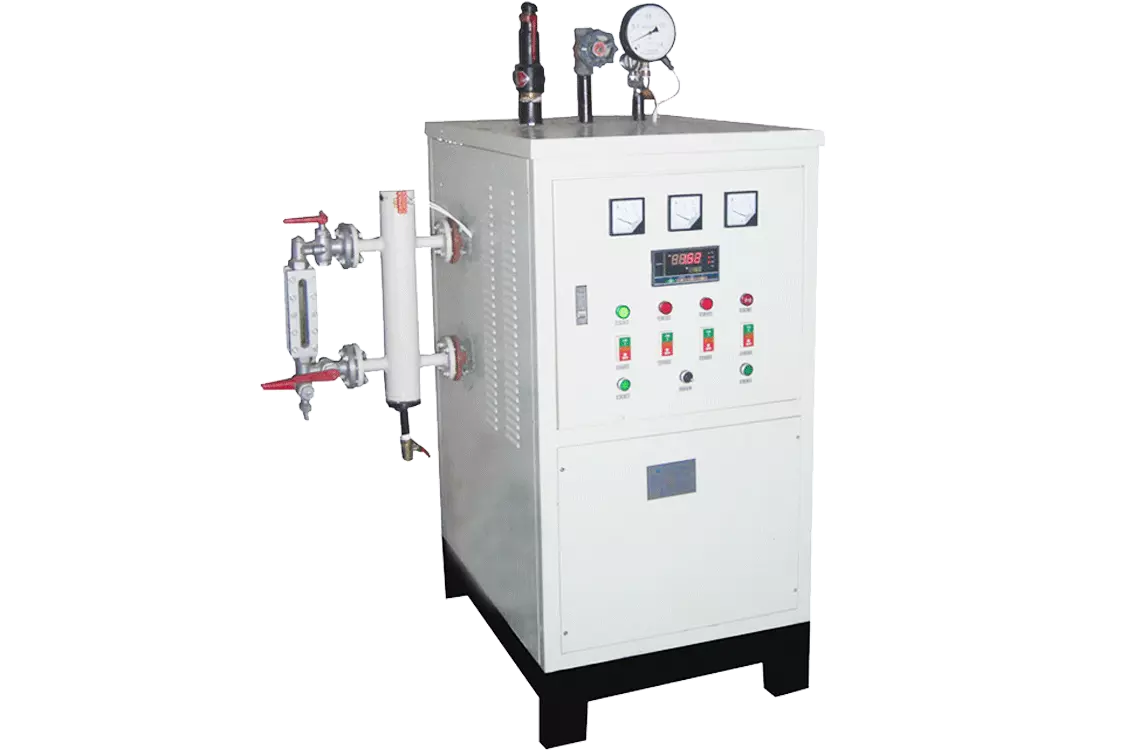
La elección del combustible tiene un gran impacto en los costes operativos.. Los combustibles comunes para calderas de vapor incluyen el gas natural., gasóleo, biomasa, carbón, y electricidad.
| Tipo de combustible |
Principales ventajas |
Aplicaciones adecuadas |
| Gas natural |
Combustión limpia y alta eficiencia. |
Calefacción industrial y comercial |
| Biomasa |
Combustible renovable y menores emisiones de carbono |
Fábricas con recursos de biomasa |
| Carbón |
Menor costo de combustible en algunas regiones. |
Producción industrial a gran escala. |
| Electricidad |
Operación limpia y fácil instalación. |
Aplicaciones a pequeña escala |
12. Lista de verificación de mantenimiento de la caldera de vapor
Descripción general de la sección:
Esta sección proporciona una práctica lista de verificación de mantenimiento de calderas de vapor para ayudar a los operadores a mejorar la confiabilidad., prevenir fallas inesperadas, y prolongar la vida útil de la caldera.
El mantenimiento regular es uno de los factores más importantes que afectan el rendimiento de la caldera de vapor.. Incluso un sistema de caldera de alta calidad puede experimentar pérdidas de eficiencia., aumento del consumo de combustible, o riesgos de seguridad si se ignoran las inspecciones y el mantenimiento.
Un programa de mantenimiento adecuado debe incluir un seguimiento diario, limpieza periódica, inspecciones de seguridad, y servicio profesional de acuerdo con las recomendaciones del fabricante..
12.1 Inspección diaria de calderas de vapor
La inspección diaria permite a los operadores identificar problemas potenciales antes de que se conviertan en fallas importantes del equipo.. Los operadores deben monitorear parámetros operativos importantes y verificar si la caldera está funcionando en condiciones normales..
| Artículo de inspección |
Qué comprobar |
Purpose |
| Presión de vapor |
Compruebe si la presión permanece dentro del rango diseñado |
Garantizar un funcionamiento seguro y estable |
| Nivel del agua |
Confirme el nivel de agua adecuado dentro del tambor de la caldera. |
Evite el sobrecalentamiento causado por condiciones de escasez de agua. |
| Operación del quemador |
Verificar el estado de la llama y la estabilidad de la combustión. |
Mantener una combustión eficiente del combustible. |
| Fugas y ruido |
Inspeccionar tuberías, válvulas, y cuerpo de caldera |
Detectar condiciones anormales tempranamente |
12.2 Limpieza e inspección periódicas
Durante el funcionamiento a largo plazo, Los depósitos pueden acumularse dentro de los componentes de la caldera.. Escala, Hollín, y los productos de corrosión pueden reducir la eficiencia de la transferencia de calor y aumentar el consumo de energía..
La limpieza regular debe incluir la inspección de las superficies del intercambiador de calor., cámaras de combustión, tubos de caldera, y sistemas de circulación de agua.
Para calderas de vapor industriales que funcionan en continuo, Por lo general, se recomienda una inspección profesional a intervalos programados para garantizar que todos los componentes de presión sigan siendo seguros y confiables..
12.3 Gestión de la Calidad del Agua
El tratamiento del agua es una parte clave del mantenimiento de las calderas de vapor.. La mala calidad del agua puede provocar la formación de incrustaciones, corrosión, y reducción de la eficiencia de la caldera.
Un programa adecuado de gestión del agua normalmente incluye el ablandamiento del agua., tratamiento químico, control de oxígeno disuelto, y pruebas periódicas de los parámetros del agua..
Mantener la calidad adecuada del agua ayuda a proteger los tubos de la caldera, mejorar la eficiencia de transferencia de calor, y reducir los costos de mantenimiento.
13. Ventajas y desventajas de las calderas de vapor.
Descripción general de la sección:
Esta sección resume las principales ventajas y limitaciones de los sistemas de calderas de vapor para ayudar a los usuarios a comprender si la tecnología de vapor se adapta a su aplicación..
Las calderas de vapor se utilizan ampliamente desde hace más de un siglo debido a su fiabilidad., flexibilidad, y capacidad de entregar grandes cantidades de energía térmica. Sin embargo, como cualquier equipo industrial, Las calderas de vapor también tienen ciertas limitaciones que deben considerarse antes de la instalación..
Ventajas de las calderas de vapor
- Alta eficiencia térmica:
Las calderas de vapor pueden transferir grandes cantidades de energía térmica de manera eficiente, especialmente en aplicaciones industriales que requieren un suministro continuo de vapor.
- Amplia gama de aplicaciones:
El vapor se puede utilizar para calentar., esterilización, generación de energía, el secado, y muchos procesos industriales.
- Suministro de energía confiable:
Los sistemas de vapor correctamente diseñados pueden funcionar de forma continua y proporcionar energía térmica estable para aplicaciones exigentes..
- Larga vida útil:
Con una adecuada operación y mantenimiento., Las calderas de vapor industriales pueden brindar un servicio confiable durante décadas..
- Opciones de combustible flexible:
Las calderas de vapor pueden utilizar varios combustibles., incluido el gas natural, aceite, biomasa, carbón, y electricidad.
Desventajas de las calderas de vapor
- Mayor inversión inicial:
Los sistemas de calderas de vapor industriales requieren inversión en la unidad de caldera., sistema de tuberías, equipo de tratamiento de agua, e instalación.
- Se requiere mantenimiento regular:
Porque las calderas de vapor funcionan a alta presión y temperatura., La inspección y el mantenimiento de rutina son necesarios..
- Instalación compleja:
Los grandes sistemas de vapor requieren un diseño de ingeniería profesional, incluido el suministro de combustible, distribución de vapor, y sistemas de seguridad.
- Requisitos de tratamiento de agua:
La gestión adecuada de la calidad del agua es esencial para prevenir la corrosión y la acumulación de incrustaciones..
14. Preguntas frecuentes sobre calderas de vapor
Descripción general de la sección:
Esta sección de preguntas frecuentes responde preguntas comunes sobre el funcionamiento de la caldera de vapor., eficiencia, aplicaciones, y mantenimiento para ayudar a los usuarios a comprender mejor los sistemas de calderas de vapor.
14.1 ¿Cuál es el objetivo principal de una caldera de vapor??
Una caldera de vapor está diseñada para convertir agua en vapor mediante el uso de energía térmica.. El vapor generado se puede utilizar para calefacción industrial., generación de energía, esterilización, procesos de fabricación, y sistemas de calefacción comerciales.
14.2 ¿Cómo genera vapor una caldera de vapor??
Una caldera de vapor genera vapor quemando combustible o usando electricidad para generar calor.. El calor se transfiere al agua a través de superficies de transferencia de calor., haciendo que el agua alcance su punto de ebullición y se transforme en vapor.
14.3 ¿Cuál es la diferencia entre una caldera de vapor pirotubular y una caldera acuotubular??
La principal diferencia es la dirección del flujo del agua y los gases calientes.. En una caldera pirotubular, Los gases de combustión calientes fluyen a través de tubos rodeados de agua.. En una caldera acuotubular, El agua fluye dentro de tubos calentados por gases de combustión externos..
Las calderas pirotubulares son generalmente adecuadas para aplicaciones de baja y media presión., mientras que las calderas acuotubulares se prefieren para aplicaciones industriales de alta presión y gran capacidad.
14.4 ¿Cuánto suele durar una caldera de vapor??
La vida útil de una caldera de vapor depende de la calidad de la caldera., condiciones de funcionamiento, prácticas de mantenimiento, y tratamiento de agua. Con un mantenimiento adecuado, Muchas calderas de vapor industriales pueden funcionar de manera confiable durante 20 a 35 años o más.
14.5 ¿Cómo puedo mejorar la eficiencia de la caldera de vapor??
La eficiencia de la caldera de vapor se puede mejorar instalando economizadores, mantener una combustión adecuada, Mejora de aislamiento, reduciendo las fugas de vapor, optimización del tratamiento del agua, y realizar un mantenimiento regular.
Conclusión: Comprensión de las calderas de vapor para un mejor rendimiento
Descripción general de la sección:
Esta sección resume los puntos clave de la tecnología de calderas de vapor y explica por qué seleccionar el sistema correcto es importante para la eficiencia y confiabilidad a largo plazo..
Las calderas de vapor siguen siendo una de las soluciones de energía térmica más importantes utilizadas en la industria., comercial, y aplicaciones de generación de energía. Su capacidad para producir vapor confiable y de alta calidad los hace esenciales para industrias que requieren capacidades de procesamiento y calentamiento continuo..
Comprender cómo funcionan las calderas de vapor, la función de cada componente, diferentes tipos de calderas, requisitos de mantenimiento, y los métodos de mejora de la eficiencia pueden ayudar a las empresas a tomar mejores decisiones al comprar o actualizar un sistema de caldera.
La mejor solución de caldera de vapor depende de varios factores, incluyendo la capacidad de vapor requerida, disponibilidad de combustible, entorno operativo, costos de energía, y requisitos de producción futuros.
Si planea instalar un nuevo sistema de caldera de vapor o reemplazar una unidad existente, Elegir un fabricante de calderas con experiencia puede ayudar a garantizar un mejor rendimiento., Mayores costos operativos, y confiabilidad a largo plazo.
Necesita ayuda para elegir la caldera de vapor adecuada?
Nuestros ingenieros de calderas profesionales pueden ayudarlo a seleccionar la caldera de vapor más adecuada según la capacidad requerida., tipo de combustible, presión de trabajo, y requisitos de aplicación.
Para consulta técnica, soluciones de calderas personalizadas, y soporte de cotización, por favor contáctenos:
WhatsApp: +86 132-1322-2805.



VVer opiniones de nuestro cliente
"Llevamos años utilizando la caldera de aceite térmico Fangkuai para nuestra planta química y nunca nos ha defraudado.. La caldera es muy duradera y puede soportar condiciones adversas.. También es muy fácil de operar y mantener., lo que nos ha ayudado a ahorrar tiempo y dinero en mantenimiento. Las calderas de aceite térmico de Fangkuai son de primera y las recomiendo a cualquiera que necesite soluciones de calefacción confiables."
chang
Porcelana"El servicio al cliente en Fangkuai es de primera categoría.. Me ayudaron a elegir la caldera perfecta para mis necesidades y me brindaron un gran apoyo durante todo el proceso.. El proceso de instalación también fue muy sencillo y la caldera ha superado mis expectativas.. Es muy fácil de usar y mantener., y la eficiencia energética es notable. Recomiendo encarecidamente los productos de Fangkuai a cualquiera que necesite soluciones de calefacción fiables y eficientes."
Juan
México"Compré una caldera de vapor Fangkuai para mi fábrica y ha estado funcionando perfectamente durante meses.. La calidad de los materiales y la construcción de la caldera son impresionantes.. También es muy eficiente energéticamente., lo que nos ha ayudado a ahorrar dinero en nuestras facturas de energía. Recomiendo encarecidamente los productos de Fangkuai a cualquiera que necesite soluciones de calefacción fiables y eficientes."
John
EE.UU"El equipo auxiliar de Fangkuai ha mejorado aún más mi sistema de caldera. La calidad del equipo es excepcional y los precios son muy razonables.. El equipo ha ayudado a mejorar la eficiencia y el rendimiento de mi sistema de caldera, lo que ha supuesto un importante ahorro de costes. Recomiendo encarecidamente el equipo auxiliar de Fangkuai a cualquier persona que necesite accesorios para calderas de alta calidad."
Maryk
Reino Unido"La caldera de vapor de Fangkuai es perfecta para mi negocio de procesamiento de alimentos. Cumple con todos nuestros requisitos y es muy fiable.. La calidad de los materiales y la construcción de la caldera son excepcionales. También es muy fácil de operar y mantener., lo que nos ha ayudado a ahorrar tiempo y dinero en mantenimiento. Recomiendo encarecidamente las calderas de vapor de Fangkuai a cualquiera que necesite soluciones de calefacción fiables."
json
Brasil"El generador de vapor de Fangkuai es perfecto para mi pequeña empresa. Es muy fácil de usar y requiere un mantenimiento mínimo.. También es muy eficiente energéticamente., que me ha ayudado a ahorrar dinero en mis facturas de energía. El servicio al cliente en Fangkuai también es excelente.. Son muy receptivos y siempre dispuestos a ayudar.. Recomiendo encarecidamente los generadores de vapor de Fangkuai."
ahmed
Egipto"Llevamos años utilizando la caldera de aceite térmico Fangkuai para nuestra planta química y nunca nos ha defraudado.. La caldera es muy duradera y puede soportar condiciones adversas.. También es muy fácil de operar y mantener., lo que nos ha ayudado a ahorrar tiempo y dinero en mantenimiento. Las calderas de aceite térmico de Fangkuai son de primera y las recomiendo a cualquiera que necesite soluciones de calefacción confiables."
chang
Porcelana"La caldera de aceite térmico de Fangkuai es muy fácil de operar y mantener. Nos ha ayudado a ahorrar tiempo y dinero en mantenimiento., lo que ha supuesto un importante ahorro de costes. La calidad de los materiales y la construcción de la caldera son excepcionales. También es muy eficiente energéticamente., lo que nos ha ayudado a ahorrar dinero en nuestras facturas de energía. Recomiendo encarecidamente la caldera de aceite térmico de Fangkuai. ."
allen
Brasil"El servicio al cliente en Fangkuai es de primera categoría.. Me ayudaron a elegir la caldera perfecta para mis necesidades y me brindaron un gran apoyo durante todo el proceso.. El proceso de instalación también fue muy sencillo y la caldera ha superado mis expectativas.. Es muy fácil de usar y mantener., y la eficiencia energética es notable. Recomiendo encarecidamente los productos de Fangkuai a cualquiera que necesite soluciones de calefacción fiables y eficientes."
Juan
México