
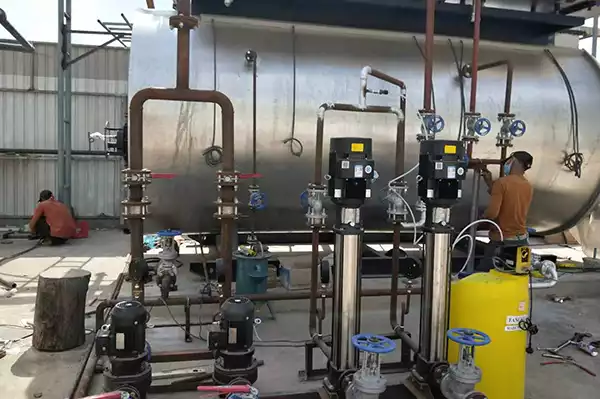
Industrial boiler room auxiliary equipment typically includes the burner or fuel system, 给水泵, feedwater tank or deaerator, water-treatment system, 省煤器, chimney or stack, condensate-return system, blowdown equipment, control cabinet, valves and instrumentation.
Depending on the boiler type and local requirements, the system may also require air preheaters, gas trains, biomass feeding and ash-handling equipment, emission-control systems and other project-specific components.
然而, not every boiler quotation includes all of this equipment. Buyers should always confirm the supplier’s exact scope of supply.
A typical industrial steam boiler installation may include:
| Auxiliary Equipment | Main Function |
|---|---|
| Burner or fuel system | Supplies and controls fuel for combustion |
| 给水泵 | Delivers water to the boiler |
| Feedwater tank | Stores and supplies boiler feedwater |
| 除氧器 | Helps remove dissolved gases from feedwater |
| Water-treatment system | Controls feedwater quality |
| 节能器 | Recovers heat from flue gas |
| Condensate-return system | Returns usable condensate to the boiler plant |
| Blowdown system | Manages boiler-water discharge |
| Chimney or stack | Discharges flue gas |
| Control cabinet | Controls and monitors boiler operation |
| Valves and instrumentation | Measure, isolate and control system conditions |
| Emissions-control equipment | Helps meet applicable emission requirements |
| Fuel-handling equipment | Stores, prepares or delivers fuel where required |
The actual configuration depends on boiler capacity, 压力, 燃料, 水质条件, plant layout, emissions requirements and the required level of automation.
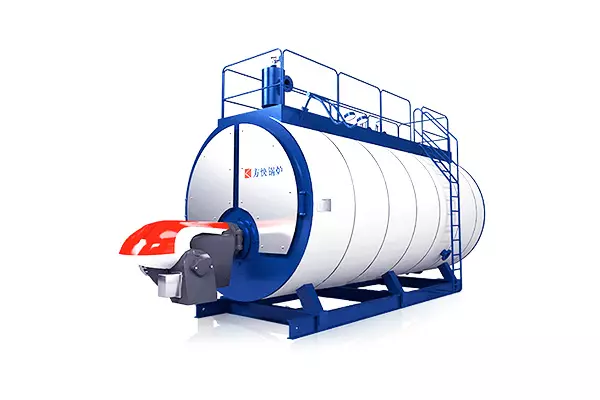
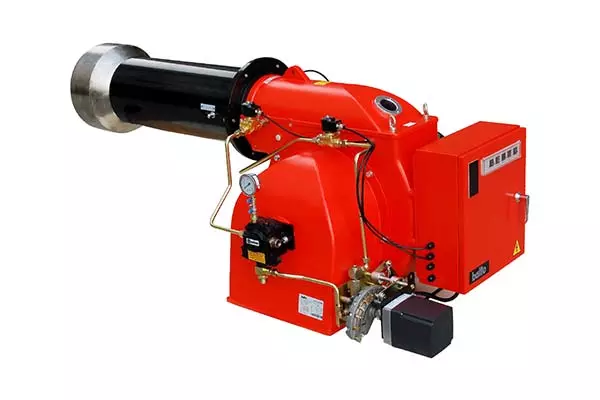
For combustion boilers, the burner or fuel-feeding system is one of the most important 锅炉辅助设备 groups.
A gas-fired system may include a burner, gas train, 阀门, pressure-control devices and associated combustion controls.
Oil-fired systems can require fuel storage, 泵, filters and fuel-conditioning equipment.
Biomass installations may require more extensive fuel-handling equipment such as:
The exact fuel-system configuration should therefore be selected according to the specified fuel rather than boiler capacity alone.
Feedwater pumps move treated feedwater from the feedwater system into the boiler.
Pump selection must match the required flow and pressure conditions of the boiler system.
Industrial projects may also specify standby or redundant pumps where continuous steam production is important.
The pump itself should not be evaluated separately from the complete feedwater arrangement.
A feedwater tank provides a controlled water supply for the boiler.
取决于项目, a deaerator may also be used to reduce dissolved gases in boiler feedwater and support water-management requirements.
The appropriate arrangement depends on:
A deaerator should therefore be specified as part of the complete feedwater system rather than automatically assumed to be included with every boiler.
Water quality directly affects boiler reliability, heat transfer and maintenance.
A boiler room may require water-treatment equipment such as:
The required treatment system depends on the incoming water analysis and the boiler manufacturer’s water-quality requirements.
Water-treatment equipment should therefore be selected after reviewing actual site water conditions.
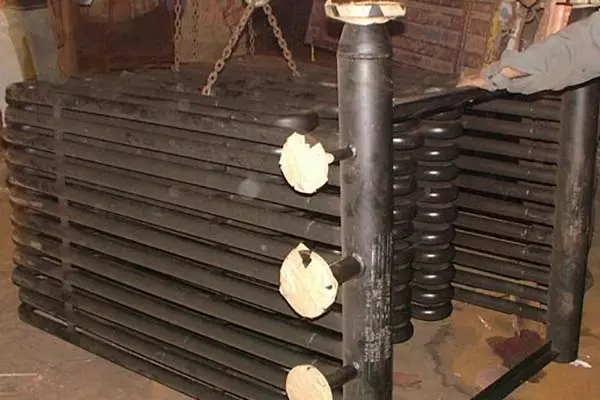
An economizer recovers heat from boiler flue gas and uses it to preheat feedwater or another suitable water stream.
Depending on operating conditions, additional heat-recovery equipment may include:
美国. Department of Energy Steam Systems resources identify feedwater economizers, condensate return and blowdown heat recovery among the measures that can improve industrial steam-system energy performance.
Whether an economizer should be included depends on boiler design, 燃料, flue-gas conditions, 给水温度, operating hours and the expected economic benefit.
Steam used by industrial processes may condense into hot water.
Where condensate quality and process conditions allow it to be reused, a condensate-return system can send this water back toward the boiler feedwater system.
A condensate system may include:
Condensate recovery can influence both the plant’s water balance and the energy required to heat boiler feedwater.
Boiler blowdown removes a portion of boiler water to help manage dissolved solids and water chemistry.
Depending on the installation, associated equipment may include:
The exact configuration should follow the boiler design, 工作压力, water-treatment strategy and local discharge requirements.
Combustion boilers require a suitable path for flue-gas discharge.
The complete system may include:
Chimney dimensions and materials should be determined from the actual boiler, 燃料, flue-gas conditions, draft requirements and installation environment.
Modern industrial boiler rooms use control and monitoring equipment to coordinate boiler operation and auxiliary systems.
Depending on the automation level, the system may include:
A control cabinet may coordinate the burner, 泵, 水位, pressure control and other boiler room equipment.
When comparing quotations, buyers should confirm exactly which controls, sensors and communication functions are included.
Required emissions equipment depends strongly on fuel, boiler capacity and installation location.
Depending on applicable regulations and project conditions, equipment may include:
Biomass and solid-fuel installations can require substantially different flue-gas treatment and ash-handling arrangements from gas-fired boilers.
Emission requirements should therefore be confirmed before the final boiler room configuration is selected.
A complete boiler installation also requires valves, instrumentation and piping connections.
These can include:
Some of these items may be classified as 蒸汽锅炉组件, boiler trim or site piping rather than auxiliary equipment.
This distinction matters during procurement because different suppliers may divide the quotation scope differently.
未必.
“Boiler price” 和 “complete boiler room price” can represent very different scopes.
One supplier may quote the boiler, 刻录机, 泵, economizer and controls, while another quotation may cover only the boiler and basic combustion equipment.
Before comparing prices, request a detailed equipment list showing:
为此原因, the equipment list should be normalized before comparing different boiler quotations.
Start with the actual process and installation requirements.
A boiler manufacturer normally needs to know:
These parameters help determine which auxiliary systems are necessary and how they should be sized.
一个 工业蒸汽锅炉购买指南 can also help buyers define capacity, 压力, 燃料, 水质条件, automation and project scope before requesting a complete boiler quotation.
Boiler auxiliary equipment refers to supporting equipment required for boiler operation, 水处理, 燃料供应, 热回收, control, condensate recovery, blowdown and flue-gas handling. The exact equipment varies by boiler type and project requirements.
Common steam boiler auxiliaries include the burner, 给水泵, feedwater tank or deaerator, water-treatment system, 省煤器, 凝结水系统, blowdown equipment, 烟囱, 控制, valves and instrumentation.
并不总是. Water-treatment equipment may be included in a complete steam plant quotation or supplied separately. The required system should be selected according to the actual feedwater analysis and boiler water-quality requirements.
不. Whether an economizer is appropriate depends on boiler design, 燃料, exhaust conditions, 给水温度, operating profile and project economics.
未必. Deaerator requirements depend on boiler operating conditions, feedwater quality, 凝结水回流, treatment strategy and the boiler manufacturer’s requirements.
It depends on the supplier’s quotation scope. Buyers should confirm whether the chimney, flue ducting, supports and associated connections are included or must be supplied locally.
A 燃气锅炉 installation can require a burner, gas train, 给水泵, feedwater system, 水处理, 省煤器, 烟囱, 控制系统, blowdown equipment, condensate system and instrumentation. The final configuration depends on the actual project.
In addition to common feedwater and control equipment, a biomass boiler may require fuel storage, conveying and feeding systems, 灰处理, dust collection and other flue-gas treatment equipment.
Because two boilers with similar rated capacity can have very different scopes of supply. Listing auxiliaries separately makes it easier to compare equipment, identify exclusions and evaluate the complete project cost instead of comparing boiler price alone.
免费锅炉报价
没有延迟, 得到 3 今日报价 比较最优惠的价格 安全可靠评论
本文内容?
If you like Fang Kuai, 请留言.


V查看我们客户的评论
"我为我的工厂购买了一台方快蒸汽锅炉,它已经完美运行了几个月了. 材料的质量和锅炉的结构令人印象深刻. 它也非常节能, 这帮助我们节省了能源费用. 我向任何需要可靠高效供暖解决方案的人强烈推荐方快的产品。"
约翰
美国"方快导热油锅炉操作维护非常方便. 它帮助我们节省了维护时间和金钱, 这导致显着的成本节约. 材料的质量和锅炉的构造非常出色. 它也非常节能, 这帮助我们节省了能源费用. 强烈推荐方快的导热油锅炉 ."
艾伦
巴西"方快的蒸汽锅炉非常适合我的食品加工业务. 它满足我们的所有要求并且非常可靠. 材料的质量和锅炉的构造非常出色. 它也非常容易操作和维护, 这帮助我们节省了维护时间和金钱. 我向任何需要可靠供暖解决方案的人强烈推荐方快的蒸汽锅炉。"
杰森
巴西"我们化工厂一直在使用方快导热油锅炉多年,从未让我们失望过. 锅炉非常耐用,可以承受恶劣的条件. 它也非常容易操作和维护, 这帮助我们节省了维护时间和金钱. 方快的导热油锅炉是一流的,我强烈推荐给任何需要可靠供暖解决方案的人。"
张
中国"方快导热油锅炉操作维护非常方便. 它帮助我们节省了维护时间和金钱, 这导致显着的成本节约. 材料的质量和锅炉的构造非常出色. 它也非常节能, 这帮助我们节省了能源费用. 强烈推荐方快的导热油锅炉 ."
艾伦
巴西"我为我的工厂购买了一台方快蒸汽锅炉,它已经完美运行了几个月了. 材料的质量和锅炉的结构令人印象深刻. 它也非常节能, 这帮助我们节省了能源费用. 我向任何需要可靠高效供暖解决方案的人强烈推荐方快的产品。"
约翰
美国"方快的蒸汽发生器很优秀. 它们非常易于使用并且需要最少的维护. 方快的客户服务也很出色. 他们反应灵敏,乐于助人. 蒸汽发生器的能源效率也非常出色, 这帮助我节省了能源费用. 强烈推荐方快的蒸汽发生器。"
玛丽亚
西班牙"方快的辅助设备让我的锅炉系统更上一层楼. 设备质量卓越,价格非常合理. 该设备帮助提高了我的锅炉系统的效率和性能, 这导致显着的成本节约. 我向任何需要优质锅炉配件的人强烈推荐方快的辅助设备。"
马里克
英国"我为我的工厂购买了一台方快蒸汽锅炉,它已经完美运行了几个月了. 材料的质量和锅炉的结构令人印象深刻. 它也非常节能, 这帮助我们节省了能源费用. 我向任何需要可靠高效供暖解决方案的人强烈推荐方快的产品。"
约翰
美国